Paperwork, VAT, pricing, survey and transfer of ownership — the whole process, explained by brokers who work Greek marinas every day.
Zu sell a boat in Greece you need three things in order before you ever take a photograph: a clean ownership file, a settled VAT position, and an asking price the market recognises. Get those right and a good boat finds an international buyer without drama. Get them wrong and she sits on the pontoon for two seasons while the price is chipped away a thousand euros at a time.
This guide walks the process in the order it actually happens — from the documents your port authority holds, through survey and viewing, to the moment ownership changes hands. Yacht Brokers Greece works on a flat 5% commission through affiliated brokers at 70 Greek marinas and harbours, so every stage below is described the way it runs on the pontoon rather than the way it reads in a contract.
Selling a boat is a documentary exercise wearing a nautical hat. The buyer is not really buying fibreglass; they are buying a file — proof that the person signing owns the vessel outright, that tax has been dealt with, that nothing is owed against her, and that what the surveyor finds matches what the advertisement claimed.
Three things decide how quickly you sell a boat in Greece, and none of them is luck.
The file. If your ownership documents, VAT evidence and registration are current and in one place, an accepted offer can move to completion in weeks. If a document is missing, sitting in a previous owner’s lawyer’s drawer, or in a form the buyer’s bank will not accept, every one of those weeks becomes a month. Our companion guide to the documents needed to sell a boat in Greece lists them one by one.
The price. Greek listings are read on the same screen as Croatian, Turkish and Italian ones. A boat priced fifteen per cent above her comparables is not a boat with room to negotiate — she is invisible, because buyers filter by budget long before they look at a photograph.
The presence. A broker who lives forty minutes from the marina can meet a surveyor on Tuesday, photograph the boat in Wednesday’s light and open the hatches for a viewer on Thursday. A broker three countries away cannot, and to a buyer that delay reads as disinterest. That is the whole reason the sell your boat network is organised marina by marina rather than from one office in Athens.
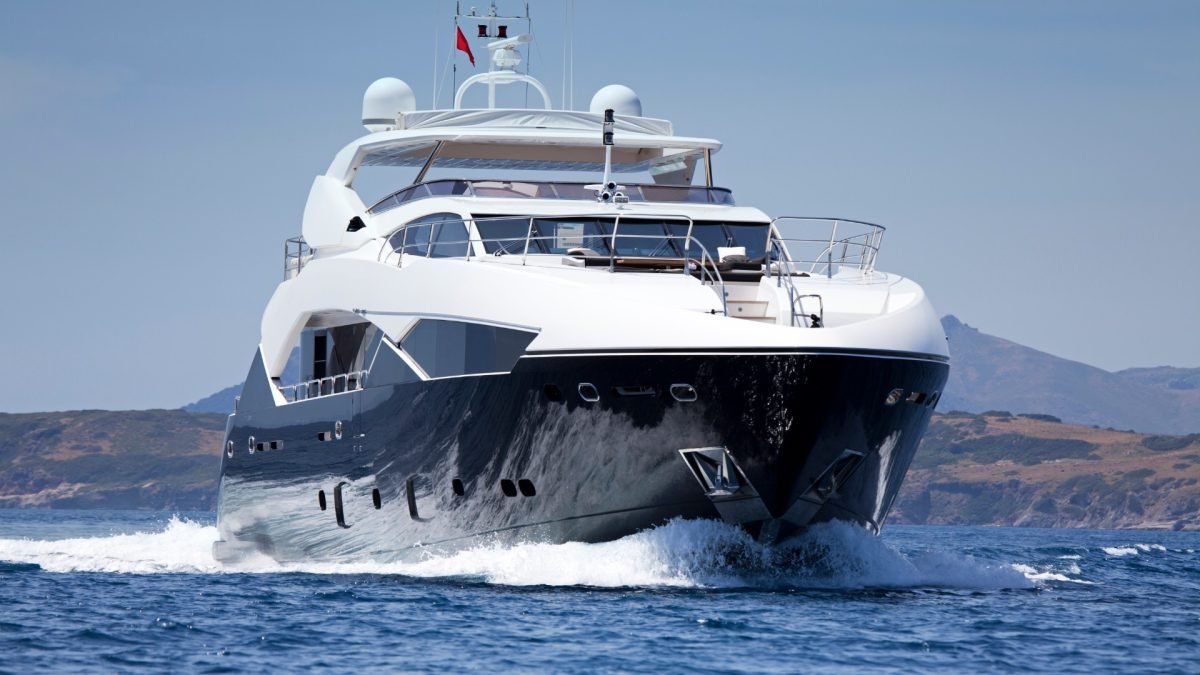
Start collecting these the week you decide to sell a boat in Greece, not the week you accept an offer. In Greece the ownership record for a private pleasure vessel sits with the port authority of registry, and for many craft it is mirrored in the state register of ships maintained by the tax authority. Retrieving a mislaid document is routine. Retrieving one while a buyer’s lawyer waits is expensive, and it is where sales die.
| Document | Who holds or issues it | Why the buyer’s lawyer asks for it |
|---|---|---|
| Certificate of registry / ship’s document | Port authority of registry | Proves the vessel exists in the register and names the legal owner |
| Bill of sale from when you bought her | You, or your lawyer’s file | Establishes the chain of title back through the previous owner |
| VAT evidence | You — original invoice, import or clearance paperwork | Confirms the boat can be sold and kept in EU waters with nothing further to pay |
| Confirmation of no mortgage or lien | Port authority and your bank | Confirms no loan is registered against the hull |
| Builder’s certificate and CE declaration of conformity | Original file from the yard | Confirms build year, design category and lawful placing on the EU market |
| Engine, rig and equipment records | You | Service history, hours and transferable warranties — the cheapest thing you can do to raise the price |
| Identity documents for every registered owner | You | Every named owner signs; a co-owner living abroad is the most common completion delay |
If a document is genuinely lost, say so at the listing stage; nothing delays an attempt to sell a boat in Greece more reliably than a certificate nobody can find. A known gap with a plan attached is a negotiating point. The same gap discovered by the buyer’s lawyer three days before completion is a price reduction, or a collapsed sale. The Ministry of Maritime Affairs and Insular Policy publishes the current procedures for Greek vessels.
This is the first question a serious buyer asks, and the answer moves the price. A boat whose VAT has been accounted for inside the EU can be sold to and kept by an EU-resident buyer with nothing further to pay. A boat without that evidence cannot — the liability travels with the hull, and the buyer will price it in.
The evidence is usually one of three things: the original invoice from the yard or dealer showing tax charged, the import documentation if she came in from outside the EU, or the paperwork from a formal customs clearance. Age alone is not evidence, and neither is a previous owner’s assurance over coffee.
Because tax status is the largest single variable when you sell a boat in Greece, settle it before the first viewing rather than after the first offer. If you cannot find your evidence, do not advertise the boat as VAT paid and hope. Describe the position honestly, get a definitive answer from your accountant against the current rules, and price accordingly. Buyers forgive a position that is disclosed; they walk away from one they discover. We go into this in depth in VAT on second-hand boats in Greece.
It is worth checking your own entry before you list. The Greek state publishes guidance on registering a pleasure or tourist vessel, and that record is what a buyer’s lawyer will compare your paperwork against.

Price is set by comparables, not by what you paid, what you spent, or what you need. This is the point at which most owners who set out to sell a boat in Greece lose a season. Your broker’s job is to show you what boats of your type, year and condition are actually achieving — not what they are advertised at, which is a different and much larger number.
Four factors move the price you can ask when you sell a boat in Greece more than any others.
| Factor | Effect on price | What you can do about it |
|---|---|---|
| MwSt.-Status | Largest single swing | Produce the evidence, or disclose and price for it |
| Engine hours and service history | Strong, and easy to evidence | Service before listing and keep every invoice |
| Wo sie liegt | Moderate — accessible marinas sell faster | A berth near an airport widens the buyer pool |
| Presentation and photography | Moderate on price, large on speed | Deep clean, declutter, professional photographs |
Resist the temptation to list high and reduce later. A listing that has been on the market a year with three visible price cuts tells every buyer to wait for the fourth. It is far better to price correctly on day one, hold firm through the first month, and let the enquiries make the argument for you. Our guide on how to price your boat works through the comparables method in detail.
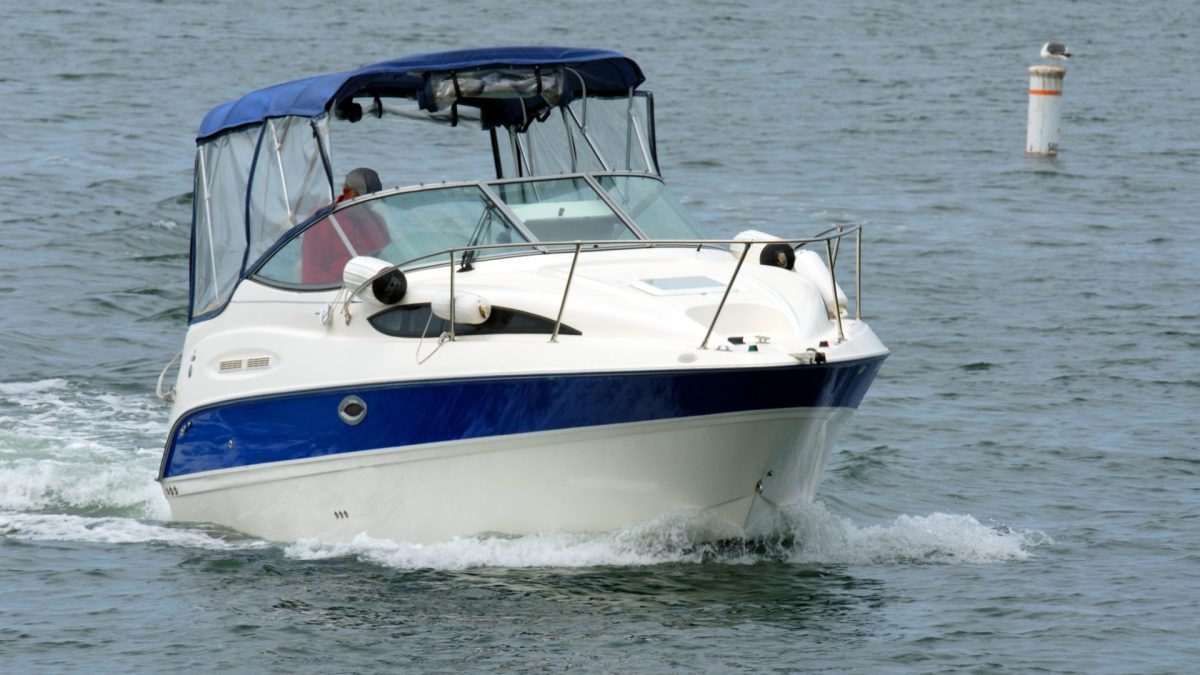
Fix what is cheap, visible and documented. Do not start a refit to sell.
Cheap and visible means the things a viewer touches and smells in the first ninety seconds: a hull and topsides that have been properly cleaned, tired mooring lines and fenders replaced, cushions and carpets laundered, lockers emptied of a decade of half-used chandlery, bilges dry, and no smell of diesel or damp anywhere. A boat that smells cared for is assumed to have been cared for, and the survey then confirms an impression the buyer already holds.
Documented means servicing the engines and generator before the photographs, not after the offer, and keeping the invoices in the file. A buyer discounts a claim; a buyer pays for a receipt.
What not to do is embark on a large job in the belief it will pay for itself. New electronics, a repaint or a re-rig rarely return what they cost, and a half-finished project sitting on the survey report costs more than it saves. If a major item is genuinely at the end of its life, disclose it and let the price reflect it — that is a cleaner negotiation than a rushed job discovered by a surveyor.
Photography is the one area where spending is always repaid. Most people who will sell a boat in Greece this year will be judged first on twenty images on a screen in Munich or Warsaw. Wide interiors shot in daylight, a clean deck without a single coiled hosepipe, and one good shot of her under way are worth more than any advertisement copy.
A Greek boat sells to an international audience. Your broker lists her on the international brokerage platforms buyers actually search, in the languages those buyers search in, and fields the enquiries so that only qualified people reach your pontoon.
Qualification matters more than volume. Ten enquiries from people who have not checked their budget cost you ten Saturdays. Two enquiries from buyers who have seen the specification, understood the VAT position and asked about berth transfer are worth the whole campaign. This is the part of the work that is invisible from the outside and is most of what the commission buys.
Viewings should be unhurried, in daylight, with the boat already prepared and the file on the saloon table. Let the buyer look; answer what is asked; never oversell. Anyone who is going to sell a boat in Greece successfully should assume the buyer will bring a surveyor, and that the surveyor will find whatever is there.
An offer is normally made subject to survey and, where relevant, a private viewing under way. Expect the survey to produce a list. Some items are genuine and adjust the price; some are a surveyor being thorough. A broker who has read a hundred of these reports is the difference between a fair adjustment and a fishing expedition. Once the number is agreed, a deposit is taken and the file goes to completion.
Completion is the stage where everything you did earlier to sell a boat in Greece is repaid. The transfer of ownership is recorded with the authorities, the balance moves, and the boat changes hands physically at the berth.
In practice that means a signed bill of sale from every registered owner to the buyer, the deletion or transfer of the entry in the register, settlement of any berth or yard account so the boat leaves without a debt attached, and a handover on the pontoon where keys, manuals, spare parts, the tender and the documentation file all change hands together. Where a boat is registered in a company, the buyer’s lawyer will also want the corporate documents.
Two practical points are worth planning for whenever you sell a boat in Greece. Absent co-owners need to have signed in advance — this is the single most common reason a completion date moves. And funds should move through a route both sides’ lawyers accept; never hand over a boat against a promise.
The tax authority publishes the current position on the Register of Ships, which is where the buyer’s side will verify what you have told them.
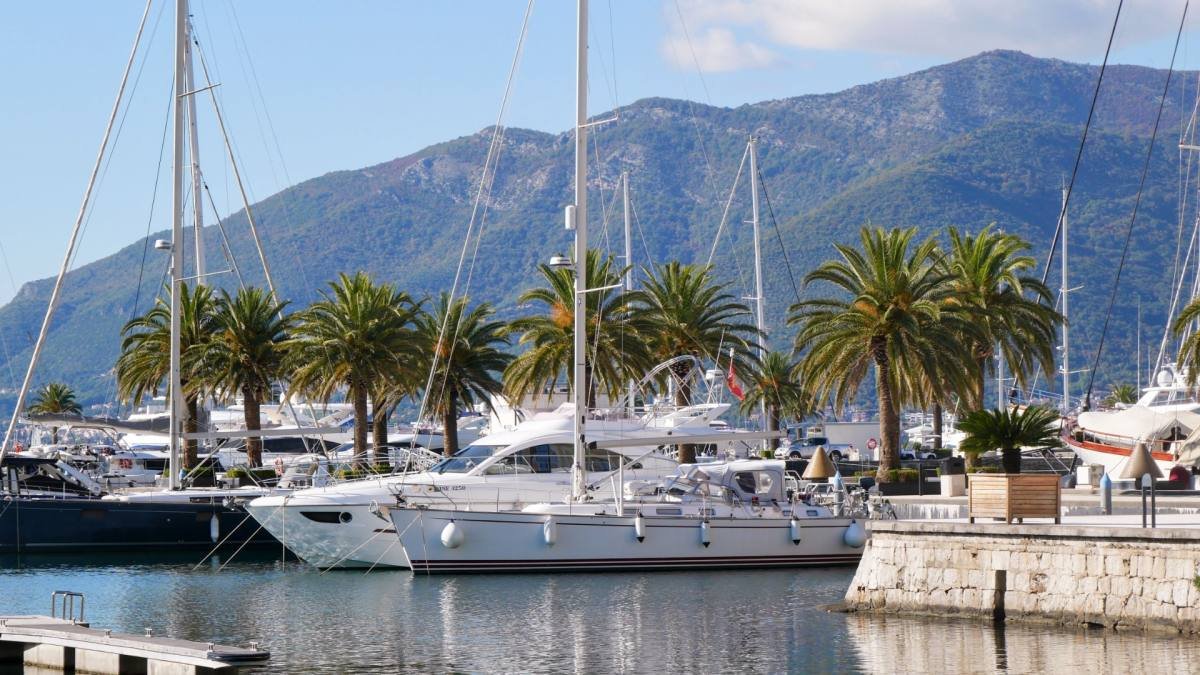
Owners are usually surprised that the brokerage fee is the most predictable cost of all when they sell a boat in Greece. It is the running costs during a slow sale that do the damage — which is the strongest argument for pricing correctly on day one.
| Cost | Who pays | Figur |
|---|---|---|
| Brokerage commission | Seller | Flat 5% of the final sale price |
| Listing and international marketing | Seller | Included in the 5% — no separate charge |
| Professional photography | Seller | Included in the 5% |
| Pre-sale survey | Buyer, normally | Quoted by the surveyor by size and scope |
| Berthing and yard fees until completion | Seller | Your existing marina rate — the cost of a slow sale |
| Legal fees and transfer formalities | Each side its own | Quoted by your lawyer |
| Outstanding tax or duty on the vessel | Seller, before completion | Confirm with your accountant against current rules |
Only one of those figures is fixed by us, and we publish it: 5%. Where a cost depends on your boat, your lawyer or your marina, we have said so rather than invent a number — anyone quoting you a precise survey fee for an unseen boat is guessing. Budgeting honestly is part of what it takes to sell a boat in Greece without late surprises. If you would like to see what comparable boats are currently listed at, the Yachten zu verkaufen in Griechenland pages carry the specification and asking price of every boat we are marketing.
It depends far more on paperwork and price than on the season. A correctly priced boat with a complete ownership file and honest photographs attracts serious enquiries quickly. A boat with a missing document or an optimistic price can sit for two seasons. Fix the file first.
No. Your affiliated broker handles viewings, photography, surveyor access and the handover at the marina. You will need to sign, and every registered co-owner must sign too, but that is normally arranged remotely through your lawyer. Absent co-owners are the most common completion delay.
Yacht Brokers Greece charges a flat 5% of the final sale price, with no listing fee and no separate marketing charge. That covers photography, international listing, buyer qualification, viewings, negotiation and coordination through to handover. Ask any broker to confirm their figure in writing before signing.
Yes, but disclose it in the listing. An unclear or unpaid VAT position lowers the achievable price rather than blocking the sale, because the liability travels with the hull. Buyers accept a position that is disclosed and walk away from one they discover late in the process.
Fix what is cheap, visible and documented: service the engines, clean the hull, replace tired lines and cushions, and gather the receipts. Do not start a major refit to sell. Buyers rarely repay a big job, and an unfinished project on the survey report costs more than it saves.
Privately you save the commission and take on buyer qualification, viewings, escrow, paperwork and international marketing yourself. Through a broker you pay 5% and reach buyers who search brokerage platforms first. Most owners of boats above entry level decide the broker earns the difference.
If you are ready to sell a boat in Greece, tell us where she lies and what she is, and the affiliated broker who covers that marina will come back to you with comparable evidence and a realistic asking price. No fee to list, and a flat 5% only when she sells.