Six weeks of preparation is worth more than six months of advertising.
Preparing your boat for sale is the highest-return work an owner does, and it is almost always done too late. A buyer forms his view of a yacht in the first ninety seconds aboard, and what he is really assessing in that time is not the teak or the upholstery but whether the previous owner cared. Everything after that is confirmation. Preparing your boat for sale properly costs a few weekends and a modest budget, and it routinely moves the achieved price by more than the preparation cost several times over.
Preparing your boat for sale is a sequence, not a burst of effort the weekend before a viewing. This guide is the sequence we give owners: what to clean, what to fix, what to disclose, what to photograph, and what to have ready in the folder before anyone steps aboard.
Preparing your boat for sale, in the order the work is actually done:
Preparing your boat for sale is worth doing because presentation changes the price. A buyer cannot inspect a yacht the way a surveyor can, so he uses proxies. A clean bilge is a proxy for maintenance. A tidy locker is a proxy for record-keeping. A stained headliner is a proxy for a leak nobody has traced. None of these inferences are reliable, and all of them are made.
The commercial effect is asymmetric, which is why preparing your boat for sale repays so well. Good presentation does not add a premium so much as it removes reasons to discount. A buyer who has found three small things wrong before he reaches the engine bay has already started building a list, and that list becomes the negotiation. A buyer who has found nothing is negotiating about the boat's value rather than about her faults.
There is a second effect, quieter but real. A well-presented yacht photographs well, and photographs are what generate the enquiry in the first place. A boat that is not ready cannot be photographed properly, and a boat that is not photographed properly is not seen. Everything about preparing your boat for sale eventually points back at the listing.
Set the number first, though. Preparation does not rescue a price the market will not support, and our guide to how to price your boat should be read alongside this one.
Six weeks is the realistic minimum for preparing your boat for sale, and the sequence matters — paperwork first because it can uncover a problem that changes everything, photography last because it records the finished state.
| Week | Work | Why now |
|---|---|---|
| 1 | Assemble the document folder; confirm VAT and registration position | A tax or title problem found now is fixable; found in week six it is a crisis |
| 2 | Pre-sale survey; obtain quotes for anything it finds | You need the findings before deciding what to fix and what to disclose |
| 3 | Mechanical work: services, known faults, safety gear in date | Yard slots take time; leave room for a part that has to come from abroad |
| 4 | Declutter and remove personal effects; empty lockers | Cleaning cannot happen around belongings, and nor can photography |
| 5 | Deep clean above and below; polish, antifoul if she is ashore | The visible result of every previous week |
| 6 | Photography and video in good light; listing copy and specification | Photograph the finished boat, never the work in progress |
Owners who compress this into a fortnight generally skip weeks one and two, which are the only two that cannot be recovered later. Preparing your boat for sale in the wrong order produces a beautiful yacht with an unresolved VAT question, and the beautiful yacht does not sell.
Cleaning is the part of preparing your boat for sale that owners most often underestimate. Clean beyond what feels necessary, because the standard a buyer applies to a boat he might own is far higher than the one he applies to a boat he is using. Start by taking everything off her that is not part of the sale.

Above decks: wash and polish the topsides, clean and lightly oil or leave the teak as the boat's convention demands, clear the cockpit entirely, wash the covers, clean the stainless until it is bright, and replace any line or fender that looks tired. Below: empty every locker, clean inside them, wash the headlining and upholstery, deal with any smell at source rather than with an air freshener, and dry the bilges completely.
Two areas repay disproportionate effort. The engine bay, because a clean engine bay reads as a serviced engine and a dirty one reads as a hidden leak. And the heads, because nothing loses a buyer faster and nothing is easier to put right. Owners preparing your boat for sale often polish the hull and ignore both, which is the wrong way round.
Declutter to the point of feeling austere. Personal photographs, half-used provisions, spare parts in the saloon and a fender pile on the foredeck all tell the buyer this is somebody else's boat. He needs to picture it as his.
Fix what is cheap and visible; disclose what is expensive and structural. That single rule resolves most of the decisions in this part of preparing your boat for sale, and it keeps you honest, which is the commercially correct position anyway.
Fix: engine and generator services, batteries that no longer hold charge, non-working navigation lights, seized seacocks, a dead bilge pump, safety equipment out of date, blown bulbs, a fridge that does not cool, and any instrument showing an error. These are inexpensive individually and devastating collectively, because each one is a small piece of evidence that the boat has been neglected.
Disclose: osmosis history, a known gearbox issue, rigging beyond its recommended life, an old but serviceable generator, a tender or outboard past its best. Get a quote for each and hand the quotes to the buyer with the survey. A disclosed €9,000 rigging replacement is a line in a negotiation; the same item discovered by the buyer's surveyor is a reason to walk away. A qualified marine surveyor — the International Institute of Marine Surveying lists members worldwide — will tell you which category each finding belongs in.
Never present a boat with a system switched off because it does not work. A buyer will ask, and the answer given at that moment costs more than the repair would have.
Paperwork is the least visible part of preparing your boat for sale and the part that decides whether a sale completes. The folder has to be complete before the first viewing, not assembled after an offer. A buyer who asks for a document and waits three days for it starts wondering what else is not to hand.
At minimum, have ready: proof of ownership and the chain of bills of sale; the registration certificate and evidence of the flag; VAT evidence or a clear statement of the position; the CE declaration of conformity and owner's manual, which for craft between 2.5 m and 24 m falls under the EU recreational craft framework; engine and generator service records; the equipment inventory stating clearly what is included; berth documentation; and any previous survey.
Two of these deserve extra attention while preparing your boat for sale. The inventory, because ambiguity about what stays with the boat causes more late arguments than any other item — write it down, item by item, including the tender, the outboard, the dinghy davits and the electronics. And the VAT position, because it is the one question a buyer's lawyer asks first; our guide to VAT on second-hand boats in Greece works through each scenario.
For the complete list, including what the port authority expects, see the documents needed to sell a boat in Greece. If any of it is missing, week one is when you find out.
Photographs generate the enquiry; the boat closes it. This is the stage of preparing your boat for sale that reaches the most people for the least money. Almost every yacht that sits unsold with a fair price attached is being let down by its photographs, and it is the cheapest thing on this page to put right.

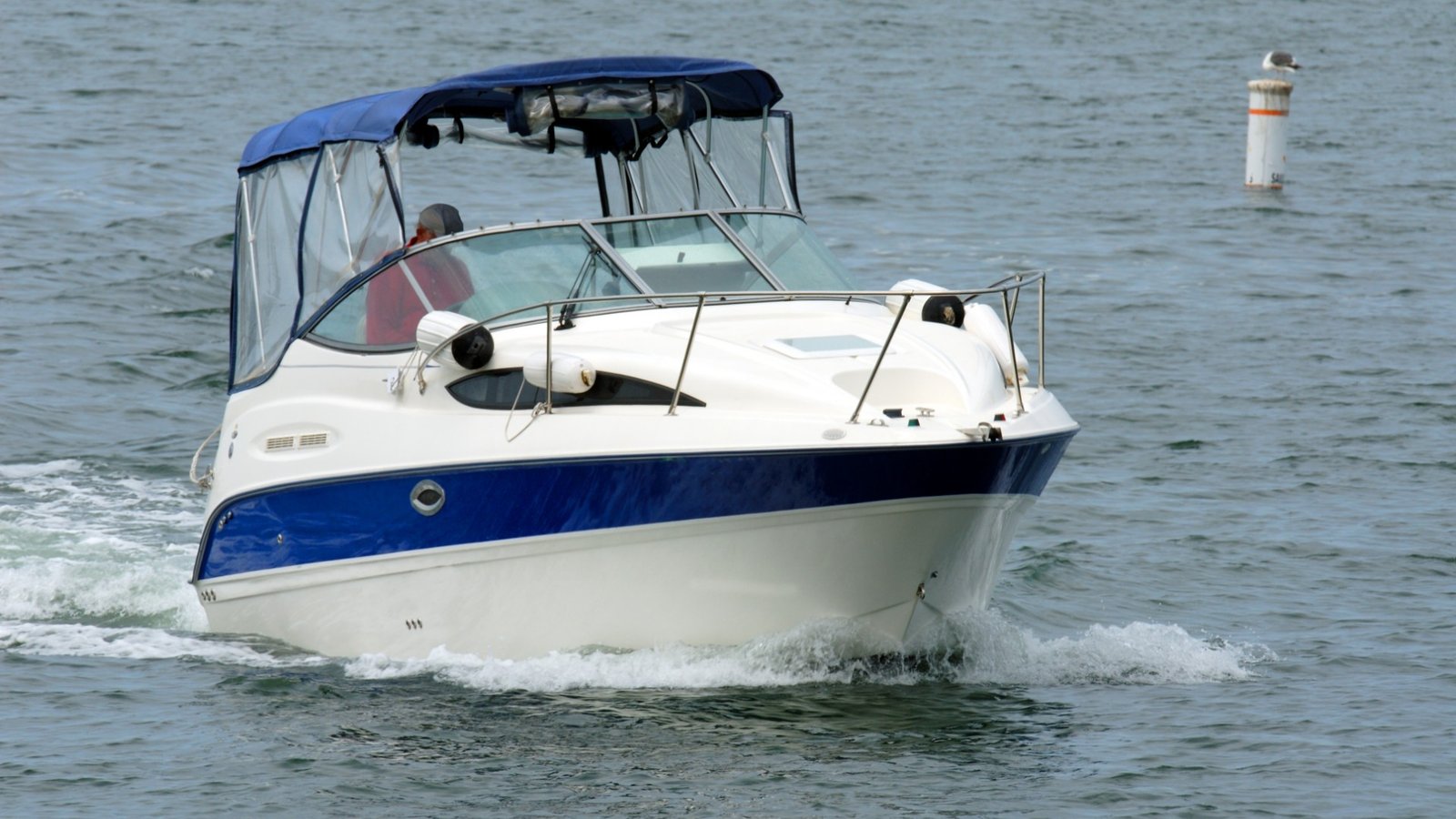
Shoot in the first or last two hours of daylight, never at midday. Photograph her afloat if at all possible; a boat on a hardstanding with a ladder against her sells for less because she looks like a project. Cover the full set: bow and stern three-quarter exteriors, profile, cockpit, helm, saloon, each cabin, each heads, the galley, the engine bay, and clear shots of the electronics and the sail wardrobe or tender as applicable.
Get the details right. No people, no pets, no reflections of the photographer in the stainless. Hatches shut and consistent. Cushions square. Lights on below and curtains open. Thirty good photographs beat sixty ordinary ones, and one wide, bright, well-composed lead image does more than the other twenty-nine combined.
Video and a short walk-through are increasingly what international buyers watch before deciding whether to fly. Preparing your boat for sale for a five-language market means assuming the first viewing happens on a screen.
Preparing your boat for sale ends here. The private viewing is where the sale is decided, and it should be arranged as an appointment with the boat ready, not as a favour squeezed between other things.

Prepare the morning of: open her up early so she is aired, wipe down surfaces, run the engines to temperature beforehand so nothing is cold and reluctant, put the safety gear where it belongs, and have the document folder aboard. Shore power connected, batteries charged, fridge cold, water in the tanks. Where a transfer of registration or a port formality is involved, the Hellenic Ministry of Maritime Affairs and Insular Policy is the authority behind the local port office your broker will deal with.
During the private viewing, let the buyer move at his own pace and answer directly. If something does not work, say so before he finds it; a fault you volunteer costs a fraction of the same fault discovered. Have the survey and the quotes to hand. If the buyer wants to take her out, that is a separate arrangement made through the broker with the paperwork and insurance settled first.
Owners often ask whether they should be present at all. Usually not, or only briefly. Buyers speak more freely to a broker, and the questions they ask when the owner is not standing there are the questions that reveal whether they are serious. Preparing your boat for sale includes preparing yourself to step back.
Not every improvement repays itself. This is the ranking we give owners, from the work that always returns more than it costs to the work that almost never does.
| Work | Typical return | Verdict |
|---|---|---|
| Deep clean, declutter, polish | Several times its cost | Always do it |
| Professional photography | Several times its cost | Always do it |
| Engine and generator service | More than its cost | Always do it |
| Small faults: lights, pumps, seacocks, instruments | More than their cost | Always do it |
| Safety equipment brought into date | Roughly its cost | Do it — it is expected |
| Antifoul and a lift-out | Roughly its cost if she is due | Do it only if due |
| New upholstery or headlining | Below cost | Only if genuinely unpresentable |
| New electronics or a chartplotter upgrade | Well below cost | Disclose the age; let the buyer choose |
| New standing rigging, engine or major refit | Well below cost | Quote it and discount instead |
The pattern is consistent: money spent making an existing boat present as her best self returns a multiple; money spent making her into a different boat does not. Preparing your boat for sale is the first kind of spending, and knowing where the line falls is most of the skill. Once the work is done, our guide to how to sell a boat in Greece covers the process from listing to handover.
Six weeks is the realistic minimum for a boat in normal condition: one week for paperwork, one for survey and quotes, one or two for mechanical work, one for decluttering and cleaning, and one for photography. Compressing it usually means skipping the paperwork week, which is the costliest omission.
Rarely. Cosmetic renewal on that scale returns well below its cost, and buyers discount for the age of the work regardless. Clean, polish and present her honestly. Where the finish is genuinely poor, quote the work and adjust the price instead.
Yes, before photography and before viewings. Personal effects prevent a buyer imagining the boat as his, and they make lockers impossible to inspect. Anything that is staying with the boat should be listed in the inventory; everything else should be ashore.
On most boats, yes. It lets you decide what to fix and what to disclose, and it removes the buyer's surveyor's power to surprise you. A finding you volunteer is a line item; the same finding discovered by the buyer is a reason to renegotiate everything.
Afloat wherever possible. A boat ashore cannot be demonstrated, looks like a project in photographs, and reaches fewer buyers. The extra berthing cost through a selling season is normally recovered in the price and in the speed of the sale.
Briefly if you wish, but it is usually better to leave the broker to it. Buyers ask more revealing questions when the owner is not present, and those questions are how a broker judges whether an enquiry is serious.
We tell owners exactly what preparing your boat for sale should involve, and what is not worth doing, and what is not. Flat 5% commission, five languages, and photography and marketing handled for you.