Yachtmakler Griechenland
Startseite » Verkaufen Sie Ihr Boot » Selling an Ex-Charter Yacht

Ex-Charteryacht verkaufen

Taking a yacht out of a charter fleet and into the brokerage market, without losing her value on the way.

Selling an ex-charter yacht is a different transaction from selling a privately owned one, and treating it as the same thing is what costs owners money. The boat has earned her living, which means she has a commercial registration, a set of accounts, a maintenance history written by several hands, and a VAT position that was built around a use she is about to stop. All four have to be resolved before a buyer's lawyer looks at them, not after. Done in the right order, selling an ex-charter yacht is straightforward and the boat reaches a market that actively wants her. Done in the wrong order, it stalls in the paperwork.

The short version

  • The gov.gr register of pleasure and tourist vessels distinguishes private recreational vessels flying the Greek flag, commercial recreational vessels regardless of their flag, and professional tourist day ships — and the category is a matter of record a buyer can check.
  • Greece's standard VAT rate is 24% of taxable value, in force since 1 June 2016; where VAT was recovered on a commercial vessel, the transition to private use is where the question falls due.
  • Directive 2013/53/EU covers recreational craft with hull lengths from 2.5 m to 24 m, which is where most charter fleet yachts sit.
  • A private pleasure boat over 7 metres on a third-country flag can be held under temporary importation for 18 months, extendable to a maximum of 24 — relevant where a charter yacht has operated on a foreign flag.
  • European Yacht Brokers charges a flat 5% Provision, markets across roughly 70 marinas and in five languages, which is how an ex-charter yacht reaches buyers outside Greece.

What follows is the sequence for selling an ex-charter yacht: understand the market, understand the wear, change the registration, settle the tax, assemble the records, do the refit that pays, and price her against the right comparables.

Who buys an ex-charter yacht

There is a real and well-informed market for ex-charter yachts, and it is larger in the Mediterranean than anywhere else. The buyer is typically someone who has chartered for years, knows exactly what a boat of that model does, and is willing to accept commercial hours in exchange for a price a private example would never reach. Knowing that this buyer exists is the starting point for selling an ex-charter yacht at a sensible number rather than a distressed one.
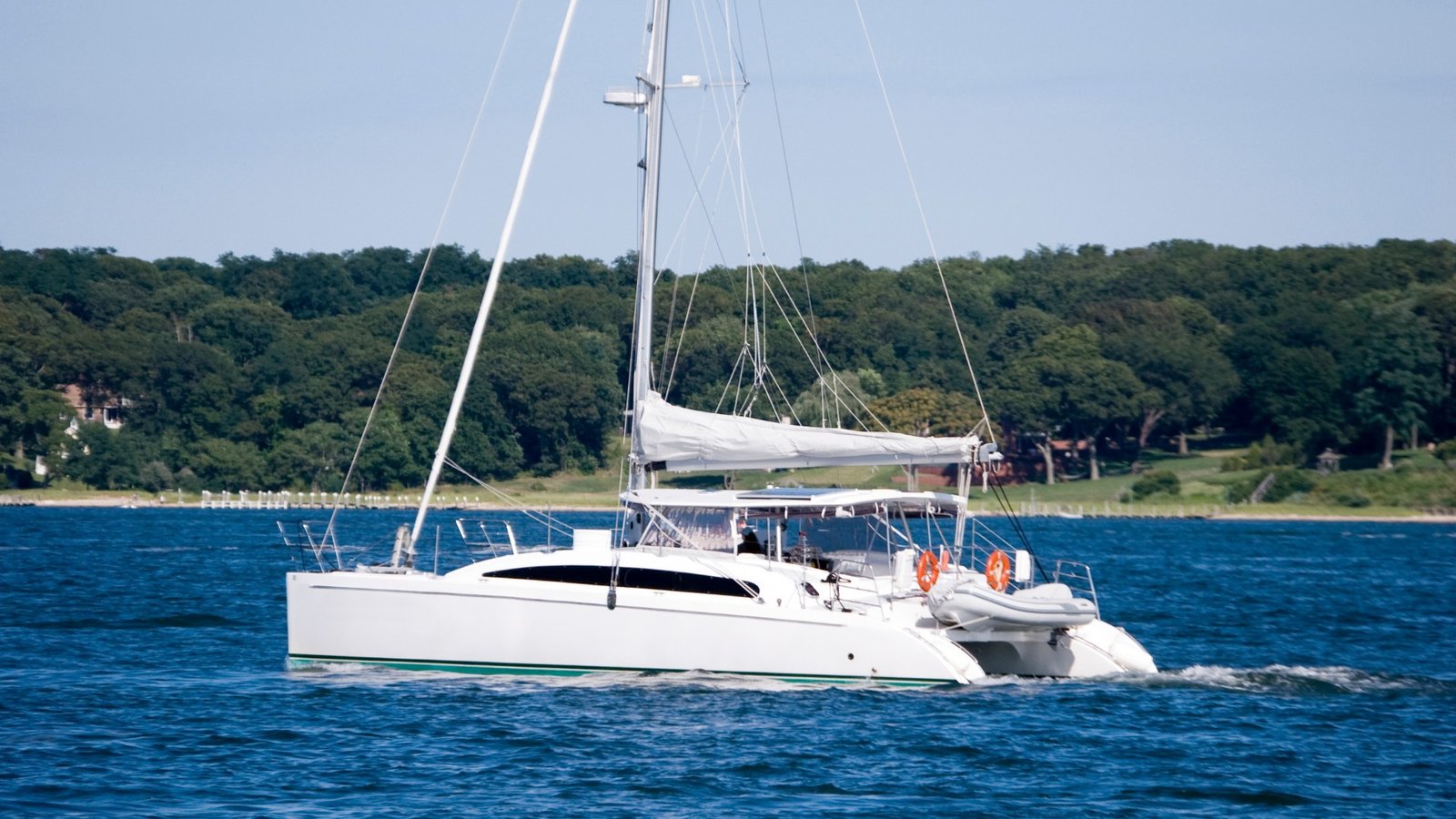
Selling an ex-charter yacht: a catamaran presented for sale after her charter season
The ex-charter buyer knows the model, knows the fleet, and is buying on price and evidence.

Three buyer types dominate. The private owner trading up, who could not afford the same length privately owned and is deliberately buying hours to get there. The small operator adding a hull to his own programme, who wants the commercial registration kept intact. And the liveaboard or long-distance cruiser, who cares far more about systems, tankage and structural condition than about upholstery.

Each of the three wants something different from the sale. The private owner needs the registration changed and the tax settled. The operator needs it left alone. The cruiser needs the maintenance history. Selling an ex-charter yacht well starts with deciding which of the three you are selling to, because that decision determines what you do about the registration before you list — and it is expensive to reverse.

The general process is covered in our guide to how to sell a boat in Greece. This page deals only with what is different about selling an ex-charter yacht rather than a boat that has never worked.

What charter use actually does to a yacht

Charter use is not simply more wear; it is a different pattern of wear, and understanding the pattern is what lets you argue the price honestly. A charter yacht is used intensively for a short season by people who are not her owner, and then usually maintained to a schedule rather than to an owner's whim. Anyone selling an ex-charter yacht should be able to describe that pattern area by area.

AreaTypically worse than a private boatTypically better than a private boat
Engine and generator hoursSubstantially higherServiced strictly on schedule, with records
Interior finishUpholstery, headlining, cabin soles and door catches
Deck gearWinches, clutches, windlass, tender davits, boarding gearReplaced when broken, not nursed along
Sails and canvasHeavily used; often at or past their life
Systems: heads, pumps, fridgesHard use by inexperienced handsFailures fixed immediately, because the next charter is booked
Hull and structureMinor grounding and berthing damageAntifouled and lifted annually without fail
Safety equipmentAlways in date — a licence condition

The right-hand column is the argument nobody makes for these boats, and it is the strongest card you hold when selling an ex-charter yacht. A charter yacht cannot be left with a failed water pump for a season, because the operator loses the booking. Private boats often are. When selling an ex-charter yacht, put the service records in front of the buyer early: they turn "high hours" from a suspicion into a documented, priced fact.

The registration change: commercial to private

Changing a yacht from commercial to private registration is an administrative process with a tax consequence and a timeline, and it should be started before the boat is advertised if a private buyer is the target.

Changing a yacht from commercial to private registration in Greece
The category on the register is a fact a buyer will verify, not a description you supply.

The register of pleasure and tourist vessels holds the category, and it separates private recreational vessels on the Greek flag, commercial recreational vessels of any flag, and professional tourist day ships. A buyer or his lawyer can look at it. Whatever the listing says, the register is the answer, and that is why selling an ex-charter yacht begins with the category rather than with the photographs.

Three routes are available when selling an ex-charter yacht. Change the category before listing, so the boat is offered as a private vessel with the tax settled — the cleanest and the one that reaches the widest buyer pool. Leave her commercial and market her to operators, which is faster but narrows the field considerably. Or agree in the contract that the change happens at completion, at the buyer's cost and on an agreed timetable, which works but requires a broker who has done it before and a buyer with patience.

Whichever route you take, decide it before the first advertisement. The one approach that reliably fails when selling an ex-charter yacht is advertising to private buyers while quietly hoping the registration question does not come up. It comes up in the first serious enquiry, every time.

VAT, recovered tax and the transition

Commercial registration usually allowed the VAT on the vessel to be recovered, and that recovery was conditional on qualifying commercial use continuing. Stop the charter, move her into private hands, and the condition is no longer met. This is the single most important thing to understand about selling an ex-charter yacht.

The size of the question is set by the Greek standard rate, published by AADE, the Greek tax authority, at 24% of taxable value since 1 June 2016. On a yacht of any size that is not a rounding error, and no buyer will absorb it as an unknown.

Get a Greek tax professional to state the position in writing before the boat is listed; it is the first thing we ask for from any owner selling an ex-charter yacht. What you need is a short document that says what was recovered, what falls due on transition, on what value, and when. With that in hand the sale is a normal negotiation. Without it every enquiry ends in the same unanswerable conversation, and the yacht acquires a reputation among brokers for being complicated.

Where the yacht has operated under a foreign flag rather than a Greek commercial registration, the position is different again and may involve temporary importation rather than recovered VAT. Our guide to VAT on second-hand boats in Greece works through each scenario, including the transit log limits. Selling an ex-charter yacht without settling this first is the most expensive shortcut in the whole process.

The records a buyer will demand

A private owner sells a boat with a folder. A charter operator sells a boat with an archive, and that archive is the single biggest advantage you hold. Commercially operated yachts in Greece are inspected, certified and serviced on a schedule that no private owner is obliged to keep, and every one of those obligations leaves a paper trail. Produce it in order and the wear question answers itself.
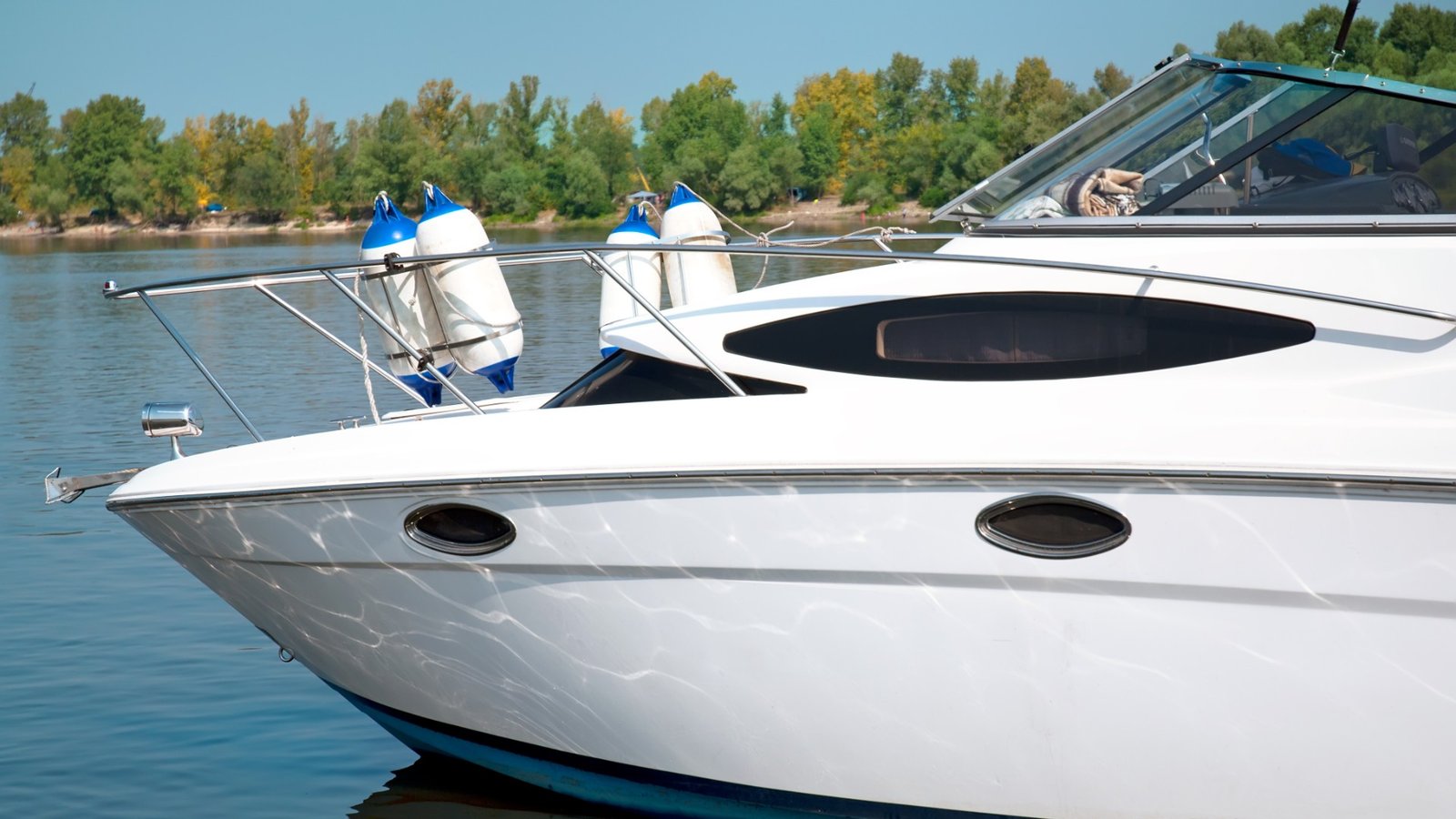
Charter yacht maintenance records and service history folder in Greece
Six seasons of scheduled servicing, documented. This is the file that converts a doubtful buyer.

Assemble the following before the yacht is listed, not after an offer arrives; this is the evidence base for selling an ex-charter yacht at the top of its price band:

  • Annual survey and class or flag inspection reports for every year the yacht traded commercially, including the surveyor's recommendations and written evidence that each was closed out.
  • Engine and generator service history with running hours recorded at each service, oil analysis results if the operator ran them, and invoices from the servicing yard rather than a summary typed by the office.
  • Life raft, EPIRB, flare and fire-system certificates with their next-service dates. These expire on fixed cycles and a buyer's surveyor checks them first.
  • Rig inspection and standing rigging replacement dates on a sailing yacht, and shaft, seal and cutless bearing records on a motor yacht.
  • Antifouling, anode and haul-out records season by season, showing where the yacht wintered and what was done ashore.
  • Damage and insurance claim history in full. Suppressing a repaired grounding is the fastest way to lose a buyer at survey stage.

Two documents deserve particular attention when selling an ex-charter yacht. The first is the inventory: charter yachts leave the fleet with linen, crockery, tenders, outboards, water toys and electronics that may or may not be included, and the sale contract needs a signed list rather than an argument in October. The second is the ownership chain, because ex-charter yachts are frequently owned by a company rather than an individual, and the buyer's lawyer will want the corporate documents, the beneficial ownership and the authority to sell established early.

The full checklist that applies to any Greek sale, private or commercial, is set out in our guide to the documents needed to sell a boat in Greece. Work through that first, then add the commercial layer above. When we take on the job of selling an ex-charter yacht we build this file at the listing stage precisely because it removes the buyer's main objection before the buyer has voiced it.

Refit and refresh: what to do before listing

Money spent before listing is only worth spending where it changes the buyer's perception, and when selling an ex-charter yacht that perception is the whole problem. On an ex-charter hull the perception problem is specific and predictable: the buyer expects a tired interior, cosmetic damage and a boat that smells of other people's holidays. Solve exactly that and leave the rest alone.

Ex-charter yacht refit and interior refresh before sale in Greece
Soft furnishings, upholstery and deck cosmetics carry disproportionate weight in the first ten minutes aboard.

The work that repays itself when selling an ex-charter yacht, roughly in order of return per euro:

  1. Replace all soft furnishings. Mattresses, cushions, cabin linen and towels. Nothing else changes the feel of an interior so completely for so little, and nothing else so reliably signals "charter" if left as it is.
  2. Deep clean, then deodorise. Bilges, lockers, holding tanks, air conditioning ducts and the fridge. A charter boat's smell is its most damaging inherited feature and it is entirely fixable.
  3. Repair the cosmetic damage. Gelcoat chips at the boarding gates, scuffed toe rails, worn companionway steps, cracked hatch surrounds, scratched saloon table. Each is small; together they read as neglect.
  4. Refresh the teak and the antifouling. A clean, well-caulked deck and a fair bottom are what the buyer's surveyor sees before anything else.
  5. Remove the charter identity. Fleet decals, cabin numbering, laminated instruction cards, branded crockery and the operator's name on the hull. The yacht should present as a private boat from the first photograph.
  6. Fix every known defect on the snag list. Not because it is expensive to leave, but because a working list of open faults is the item a buyer's negotiator prices most aggressively.

The work to avoid when selling an ex-charter yacht is capital replacement. Do not repower, do not re-rig, do not replace a chartplotter with the current model and do not fit a new bimini in the expectation of recovering the cost. Buyers of ex-charter yachts are value buyers by definition; they will discount the yacht against a private equivalent regardless, and a new engine only shifts the price by a fraction of what it cost you.

Budget realistically. On a ten-year-old 45-foot monohull leaving a fleet, a thorough refresh of the kind described above typically runs to a few thousand euros rather than tens of thousands, and it is the single highest-return spend in the whole process. Our detailed guide to preparing your boat for sale covers the process, the sequence and the timings in full.

Pricing against a privately owned equivalent

Here is the uncomfortable arithmetic of selling an ex-charter yacht. An ex-charter yacht sells for less than a privately owned sister ship of the same year, and pretending otherwise costs you a season. The discount is real, it is understood by every broker in the Mediterranean, and the only question worth arguing about is its size.

In the Greek market the gap typically sits between ten and twenty per cent against a comparable private boat, and where it lands inside that band is decided by four things: how many seasons the yacht chartered, how heavily she was used within each season, how complete the maintenance archive is, and how much of the charter identity is still visible. A yacht with two seasons behind her, a full service file and a fresh interior sits at the top of the band. A yacht with eight seasons, patchy records and fleet decals still on the topsides sits at the bottom, or below it.

What that means in practice is that the discount is partly under your control. The refit work in the previous section and the records file in the section before it are not housekeeping; they are the levers that move the yacht from one end of the band to the other. Every euro of documented, closed-out maintenance narrows the gap, because the gap exists to price uncertainty.

Price against the right comparables. This is where owners selling an ex-charter yacht most often go wrong. The mistake owners make is to benchmark against private listings of the same model and year and then apply a discount they have chosen themselves. Benchmark instead against other ex-charter yachts of the same model that actually sold, and treat private listings as the ceiling the yacht will not reach. Asking prices on the portals are not evidence of anything; sold prices are.

Set the asking price with a small, deliberate negotiating margin and nothing more. An ex-charter yacht listed ten per cent above the market attracts no viewings at all, because the buyers looking in this segment are comparing five similar boats on a spreadsheet before they book a flight. There is no discovery phase in which an over-priced boat is found and admired; it is simply filtered out. Our full method for arriving at a defensible number is set out in the guide on how to price your boat.

One further point specific to selling an ex-charter yacht: fleet operators frequently sell several yachts at the end of the same season, and if yours is one of four identical hulls hitting the market in October you are competing with yourself. Where that is the case, staggering the listings or differentiating clearly on condition and inventory is worth more than any price adjustment.

Selling an ex-charter yacht: the sale timeline

Charter seasons dictate the calendar for selling an ex-charter yacht. A yacht that comes out of the fleet in late October and is listed in November is in front of buyers for the whole winter decision-making window; the same yacht listed in April has missed it. The table below is the sequence we work to when a fleet yacht is coming to market in Greece.

PhaseWhenWhat happensTypical duration
Final charter and lay-upLate September to OctoberLast booking completed, yacht hauled or berthed for winter, inventory checked off2–3 weeks
Records assemblyOctoberSurvey reports, service history, certificates and ownership documents collected into one file1–2 Wochen
Refit and refreshOctober to DecemberSoft furnishings, deep clean, cosmetic repairs, charter identity removed3–6 Wochen
Photography and listingNovember bis DezemberProfessional shoot ashore or afloat, listing written, yacht published to the portals1 week
Winter enquiry windowDecember to FebruaryPeak buyer research period; private viewings arranged around travel8–12 weeks
Offer, survey and liftFebruary to AprilOffer accepted subject to survey, yacht lifted, surveyor's report negotiated3–5 weeks
Registration change and closingMarch to MayCommercial registration cancelled, private registration effected, funds released, handover4–8 weeks

Read end to end, that is roughly seven months from last charter to handover, and the long poles are the winter enquiry window and the registration change. Neither can be compressed much. What can be compressed is the front of the sequence: owners who leave the records and the refit until a buyer appears routinely lose six weeks at exactly the point where momentum matters most.

The registration and de-flagging steps sit with the Hellenic Ministry of Maritime Affairs and Insular Policy and the relevant port authority, and their published guidance is the reference point for what a change of category requires; see the Ministry of Maritime Affairs and Insular Policy for the current position. Build the calendar backwards from the closing date you want, not forwards from the day you decide to sell.

Häufig gestellte Fragen

Erzielt eine Ex-Charteryacht immer weniger als eine privat genutzte?

In practice, yes. The discount in the Greek market usually falls between ten and twenty per cent against a comparable privately owned yacht of the same model and year. Where it lands depends on the number of charter seasons, the completeness of the maintenance archive and how thoroughly the charter identity has been removed.

Wie viele Chartersaisons sind zu viele?

There is no hard cut-off. Buyers become noticeably more cautious beyond five or six seasons, but a well-documented eight-season yacht with closed-out survey recommendations often presents better than a three-season yacht with no records at all. When selling an ex-charter yacht, documentation matters more to buyers than the season count alone.

Muss ich die Registrierung vor dem Verkauf ändern?

Not necessarily. The yacht can be sold while still on the commercial register, with the change of category handled as part of the transfer. Which route is cleaner depends on the buyer's intended use and residence, so it is a decision to take with your broker and lawyer before the yacht is listed.

Was passiert mit dem MwSt.-Status, wenn eine Yacht aus der Charterflotte ausscheidet?

A commercially registered yacht may have been operated without VAT being paid on the hull, or with input VAT recovered. Moving to private use generally triggers a liability that must be settled before the yacht can be treated as VAT paid. Establish the position in writing early, because buyers will ask for evidence.

Sollte ich die Yacht vor dem Inserat überholen lassen?

Refresh, yes; refit, no. Selling an ex-charter yacht rewards presentation, not capital spend. Soft furnishings, a deep clean, cosmetic repairs and removal of fleet branding return far more than they cost. Capital work such as repowering, re-rigging or new electronics rarely recovers its outlay, because buyers in this segment are pricing value rather than specification.

Wann im Jahr sollte eine Ex-Charteryacht inseriert werden?

Immediately after the final charter of the season, ideally listed by late November. The winter months are when buyers research and shortlist, and a yacht that appears in April has missed that window and is competing against the following autumn's fleet releases as well.

Selling an ex-charter yacht is a seven-month sequence, and it starts the week the last booking ends. We handle all of it — records, refresh, photography, listing, private viewings and the registration change — on a flat 5% commission, reaching buyers in five languages across roughly 70 marinas in Greece. Tell us the model, the year and the number of seasons she has run, and we will come back with a realistic price band and a calendar.

Sell your boat in Greece +30 698 013 5656