Sell her from her own berth at Chios. One named broker, funded buyers only, private viewings by appointment. 5% on completion, nothing up front.
Request a valuationView yachts for saleHome › Yacht brokers North & East Aegean › Sell Your Boat Chios
Sell your boat Chios: the quickest route is to leave her exactly where she lies at Chios and let the buyers come to the pontoon.
Chios keeps its marina open year-round, so a sale here is not squeezed into a short window before the season closes. Chios Island National Airport Omiros (JKH) sits roughly 3 km from Chios town, about a ten-minute drive, and around 5 km from the new marina site, which matters when you are coordinating viewings with buyers flying in from Athens or further afield. That proximity keeps logistics simple for anyone serious about moving quickly on a purchase.
Selling through us costs five per cent, payable on completion, with nothing due upfront and nothing owed if the boat does not sell. One broker stays with your boat from the initial valuation through negotiation to handover, so you deal with a single point of contact throughout rather than being passed between departments. Viewings are arranged privately, by appointment only, and we show the boat solely to buyers whose funds have already been verified.
Greek owners trading up within the same marina at Chios make up a steady share of the enquiries you will get. They know the berth, they know the walk from the car park, and they know what a winter here does to a hull left uncovered. They go straight to the engine hours and the service book, and they ask who did the last antifouling. What sends them away is a gap in the paperwork or a survey that raises questions the seller cannot answer on the spot.
Northern European buyers want a boat already lying in Greece so they can fly in and be aboard the same week. They inspect the boat itself rather than the marina, checking the state of the upholstery, the electronics, and whether the tender and outboard are included. A boat that needs work before it can be used, or paperwork that will take weeks to clear, sends them looking elsewhere immediately.
Charter operators are after hulls that already carry Greek paperwork and hold a berth at Chios. They look at layout and cabin count first, then at the charter licence and whether the registration transfers cleanly. Anything that threatens downtime before the next season, or a berth that will not pass to a new operator, ends the conversation.
First time buyers stepping up from something smaller take longer over everything. They ask about running costs, they want to understand the systems on board, and they often bring someone along who has owned a boat before. They walk away from anything that feels like more boat than they can manage, or where the seller cannot explain a piece of equipment in plain terms.
The season at Chios runs year-round, and that keeps enquiries arriving in every month rather than bunching around Easter and the summer as they do at more seasonal harbours. It means a boat here is never simply waiting out a quiet stretch. Viewings continue through the winter, and a well-presented listing keeps generating interest whatever the month.
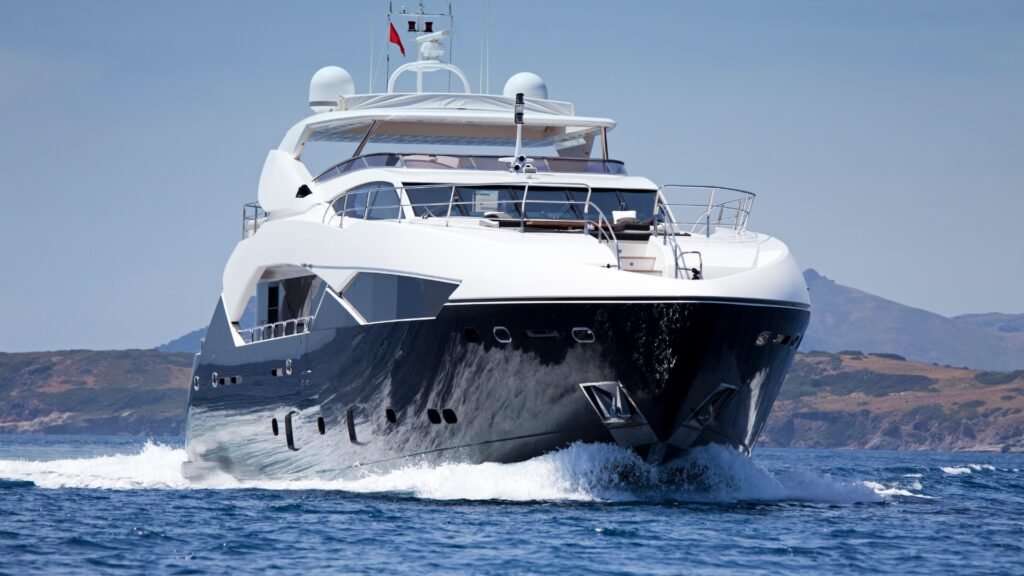
A proper valuation starts with what has actually sold, not with the asking prices still sitting on portals for boats nobody has bought. Yacht brokers Chios work from completed sales, comparable boats, comparable years, comparable condition, so the figure you get is grounded rather than hopeful. An inflated valuation costs you months of a stale listing, and a low one costs you money on completion, so the work is in getting the number right the first time. Once the price is set, the boat is photographed and filmed at her berth, properly, with the light and the angles that show her as she is rather than as a thumbnail. The written listing goes further than a specification sheet. It answers the questions a serious buyer would otherwise ring you at home to ask, engine hours, maintenance history, what has been replaced and when, so the enquiries that come in are already qualified by the detail rather than wasted on basics. That listing then goes out to the international portals where buyers are actually looking, not just the local market. Enquiries are filtered before anyone sees the boat. Funds are confirmed, the buyer is vetted, and only then is a private viewing arranged by appointment. You are not fielding calls from people who want a look on a Sunday afternoon with no intention of buying. From there the broker runs the negotiation, coordinates the survey, and manages the paperwork through to completion, the bit most owners find tedious and unfamiliar, registration, transfer documents, settlement. You stop taking calls from strangers, stop arranging viewings around your own schedule, stop chasing paperwork you have never had to handle before. What is left for you is a decision to accept an offer and a signature at the end. The commission is five per cent on completion, nothing before that.
The number you see on a listing site for a boat like yours means very little. Anyone can type a figure into a box and leave it there for a year. What matters is what similar boats have actually sold for, in this market, in recent months, and that data does not sit on a public website. It sits with brokers who were party to the transactions.
The year on the transom is the least useful figure a buyer looks at once he has been through the boat properly. Engine hours tell him more than the model year. So does the age of the standing rigging, the state of the sails and the canvas work, and whether the electronics on board are a recent generation or something he will want to replace within a season. A tender and outboard that actually work, rather than sit under a cover as an afterthought, add more to the final number than most owners expect.
Location counts for more than owners often assume. A boat lying afloat in Greece, with her paperwork in order and a berth already secured, is simply worth more to a buyer than an identical boat sitting ashore somewhere he has to arrange transport, haul-out and re-registration to reach. He is buying convenience as much as he is buying the boat, and he will pay for it.
Setting the asking price too high does not protect your position, it costs you money. A boat that sits unsold for months starts to look as though something is wrong with her, even when nothing is. Serious buyers track how long a listing has been live, and a stale listing invites lower offers, not higher ones. The right price, set from evidence rather than hope, sells faster and nets you more.
You start with a phone call, and then a visit. Someone comes to Chios and looks at the boat where she sits, in her own berth, not in a photograph or a brochure. You get an honest valuation based on her condition, her equipment, her history, and what has actually sold in Greece recently, not what you hope she is worth.
Once you agree an asking price, you sign a written listing agreement. This sets out the terms plainly, including the fee, which is 5 per cent, payable on completion. Nothing is payable up front, at any stage before that.
Photography and video are shot at Chios, on the boat, in her own water. This takes a morning, sometimes a full day if the light is against you. The material is used to build a proper listing, then published and pushed out to the international portals where serious buyers actually look.
Enquiries come in, and they are filtered. Anyone asking to view the boat needs to show that funds are in place first. This protects your time, and it means the people who do come to Chios are ready to buy, not simply curious.
Viewings happen privately, at the berth, by appointment. There is no open day, no procession of tyre kickers walking her decks. A buyer comes, looks properly, asks questions, and either moves forward or does not.
When an offer comes in, it gets negotiated on your behalf, back and forth, until you have terms you are willing to accept. At that point survey and private viewing are arranged locally, using surveyors and routes that know these waters, so the process moves without delay.
Once survey is passed and terms are firm, contracts are signed and the deposit is held properly, in accordance with the agreement. From there it is completion: funds transfer, deregistration is handled, and handover takes place at Chios, boat to buyer, with the paperwork closed out cleanly. That is the whole process, start to finish, and at every stage you know exactly where you stand.
A local broker replies with a realistic market figure, not a flattering one. No listing fee, no photography fee, flat 5% commission on completion.
We use these details only to value your boat and reply. No mailing list, no third parties. Prefer to talk? +30 698 013 5656.
List her yourself and the first thing you will notice is the volume of enquiries that go nowhere. Most will not have the funds behind them, and you have no way of knowing which ones do until you have spent time on each. That sorting work falls entirely on you.
Chios is not a place people pass through on the way to somewhere else. Every viewing means opening her up, getting down to the berth, and giving up a morning or an afternoon to someone who was never in a position to buy. You will do this more than once before you understand the pattern.
Buyers who do have funds will still work the price down, and they will do it knowing you have no sold comparables to hold against them. Without recent transaction data behind you, an owner selling alone is negotiating blind while the buyer is not.
Deposits taken privately are not held in any client account. If a sale falls through after money has changed hands, you are relying on goodwill and correspondence rather than a formal arrangement that protects both sides.
Then there is the paperwork. Transfer of title and deregistration in Greece has to be done correctly, and mistakes here expose you long after the money has changed hands, not before.
All the while, she sits at Chios costing you money. Berthing, insurance, antifouling, servicing, all continue whether she has a buyer or not, and none of it pauses for a private sale that is taking longer than expected.
A boat that goes unsold through a full season costs her owner far more in these accumulated expenses than a five per cent commission on completion would ever have done. That figure is only due once the sale is done, with nothing asked for up front.
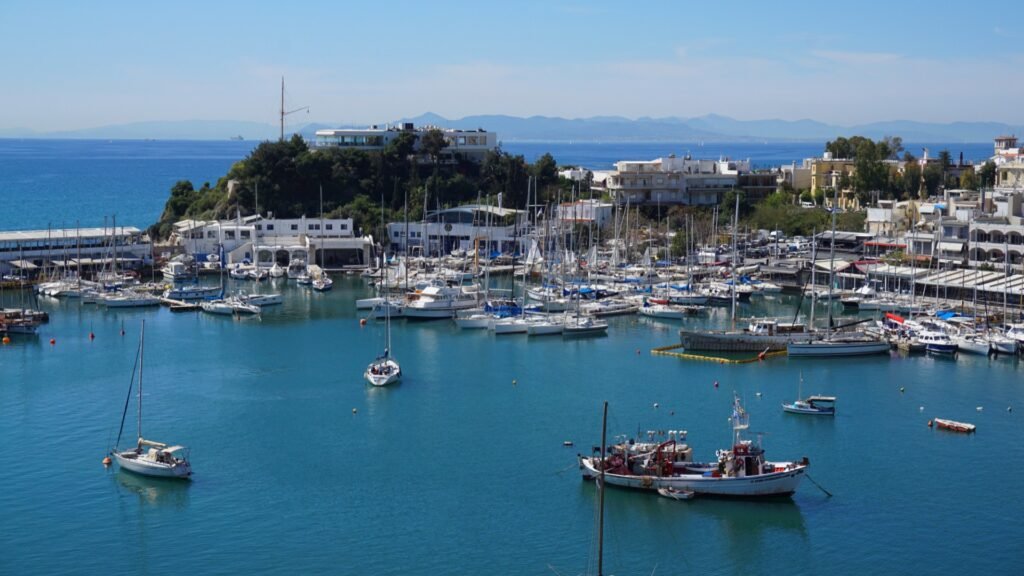
Once you accept an offer on your boat at Chios, the terms are set out in a sale and purchase agreement. This document records the price, the vessel's details, the conditions attached to the sale, and the completion date. It is the reference point for everything that follows, so it needs to be precise about what is included, from tender and outboard to electronics and equipment.
The buyer's deposit is paid into a client account, not to you directly and not to the buyer's own account. This protects both sides. It sits with a neutral party until every condition in the agreement has been satisfied, at which point it is released as part of the completion funds.
The agreement will usually be subject to survey and, where applicable, private viewing conditions. If the surveyor identifies defects, the two sides negotiate a resolution, whether that is a price adjustment, a repair before completion, or an allowance held back. This is agreed between you and the buyer directly, with the broker helping to keep the discussion practical.
You will need to show clean title, meaning no outstanding finance or charge registered against the boat, and you will need to provide evidence of the boat's VAT status within the EU. Buyers ask for this early, and it needs to be in order before completion, not after.
At completion, a bill of sale transfers ownership formally. Your boat is deregistered from her current flag and registered afresh under the new owner. If she is on a berth or mooring at Chios, the agreement covering that berth needs to be transferred or reassigned as part of the same process, so the new owner has continuity of use.
Insurance changes hands on the day of completion itself. Cover needs to be live and correctly assigned from the moment the new owner takes possession, with no gap between your policy ending and theirs beginning.
This is general information and not legal advice.
Chios sits in the North & East Aegean, and the season there runs year-round. That single fact changes how you should think about timing a listing, because there is no hard opening or closing date that forces buyers to act, or forces you to wait for one.
Even so, buyer activity is not flat across the year. Interest builds early as people plan ahead for the season, and it holds through the warmer months when a boat is easiest to see and easiest to picture in use. A buyer who views her afloat, in settled weather, forms a very different impression from one who views her ashore in winter, wrapped and disconnected from any sense of how she actually sits and handles.
Photographs follow the same logic. A boat lifts in bright, calm conditions, with clean light and flat water, in a way that flatters her lines and her deck layout. The same images taken later in the year, under a grey sky or against a choppy anchorage, do her no favours, whatever her condition below decks.
Because the season runs year-round, a private viewing can in principle be arranged at any time, once a buyer has been vetted and their funds confirmed. In practice, though, the window that suits buyers best sits within the warmer months, when she can be seen afloat and judged properly rather than taken on trust. Once that window closes, momentum slows. A boat still listed as the year turns tends to sit through the winter, and picks up fresh interest only when the following spring brings buyers back into the market.
The North & East Aegean has a reputation for firm summer winds and a steady swell built up over open water, rather than the more sheltered conditions found in some other Greek cruising grounds. That sets a practical bar: boats that sell well here are typically capable and well-founded, comfortable in a seaway, rather than built purely for flat-calm, short-hop cruising. A seller whose boat fits that profile, and who times the listing to reach buyers while she can be shown at her best, is working with the market rather than against it.
Chios gets warm boat traffic in season, and a buyer stepping aboard forms an opinion in the first two minutes. Start with a proper clean, above and below. Decks, topsides, bilges, lockers, the inside of cupboards where damp collects. A hull polish makes more difference in photographs and in person than almost anything else you could spend money on, and it costs comparatively little.
Tenders, covers and canvas matter more than owners expect. A tender left slack on its davits or a bimini with a torn seam tells a buyer the rest of the boat has been treated the same way, whether or not that is true. Have the canvas cleaned or restitched if it needs it. It is a small outlay against the impression it corrects.
Get the engines serviced and keep every invoice. A buyer, or the surveyor working for them, will ask for service history before they ask almost anything else. A stack of paperwork showing regular attention is worth more than anything you could say in a listing description.
Replace what a surveyor will flag regardless: perished hoses, batteries past their working life, instruments that no longer read correctly. These are modest costs now. Left as they are, they become negotiating points later, and they hand the buyer a reason to chip away at the price after the offer is already agreed.
Clear your own belongings out of the boat before anyone views her. Charts with your holiday routes marked, family photographs, clothing in the cabins. A buyer needs to see the boat, not you living aboard her. This costs nothing and it changes how the whole viewing feels.
A full repaint rarely returns what it costs, and the same is true of a new electronics suite fitted just to sell. Buyers pay for a boat that is sound and honestly presented, not for one dressed up beyond its age.
On an older boat, a pre-listing survey is worth arranging yourself. It puts problems on the table before a buyer finds them, and it removes the kind of surprise, after an offer is made, that has ended more sales than any fault ever disclosed upfront.
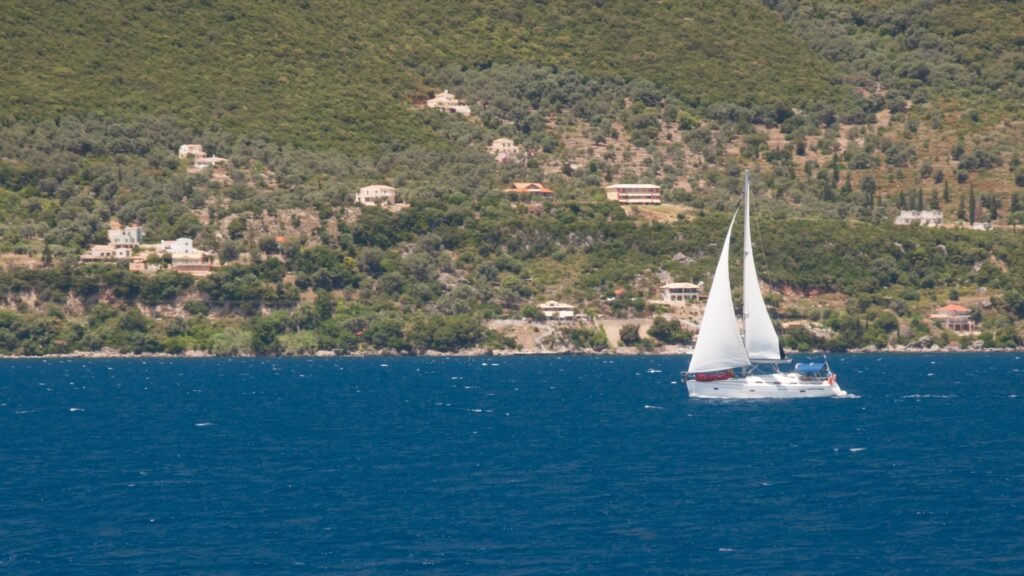
Chios sits on the island of the same name in the North and East Aegean, and it keeps a boat working through every month of the year. The marina operates on a year-round season, which matters more than it might sound. A boat that can be shown in January as easily as in July is a boat that reaches the full run of buyers, not just the summer crowd who leave decisions until the last fortnight of their charter.
Walk the pontoons here and you get the ordinary texture of a working Greek marina rather than a stage set. Fenders worn the right way, ensigns from half the Mediterranean, owners doing small jobs on deck because the weather allows it and because nobody is in a hurry. Buyers notice this. They read a marina the way they read a hull, for what it tells them about how a boat has actually been used and kept.
Chios town is close enough that provisioning, transport and the everyday logistics of ownership are simple rather than a project. The island has its own ferry connections and a working port life, which means trades familiar with boats are not a rarity you have to import. Riggers, engineers, electricians and the general run of marine trades that any Greek island community with real maritime traffic tends to support are within reach, and a broker arranging survey or minor works before a viewing is not fighting geography to do it.
None of this is about spectacle. It is about a boat lying somewhere calm, accessible and genuinely lived-in, where a viewing can be arranged without three days of planning and where the surroundings do not have to be talked up because they hold their own. A vetted buyer stepping aboard at Chios sees a marina that functions, a boat that has been kept somewhere sensible, and a setting that does the quiet work of making the whole transaction feel unforced. That is worth more at the point of sale than any amount of description.
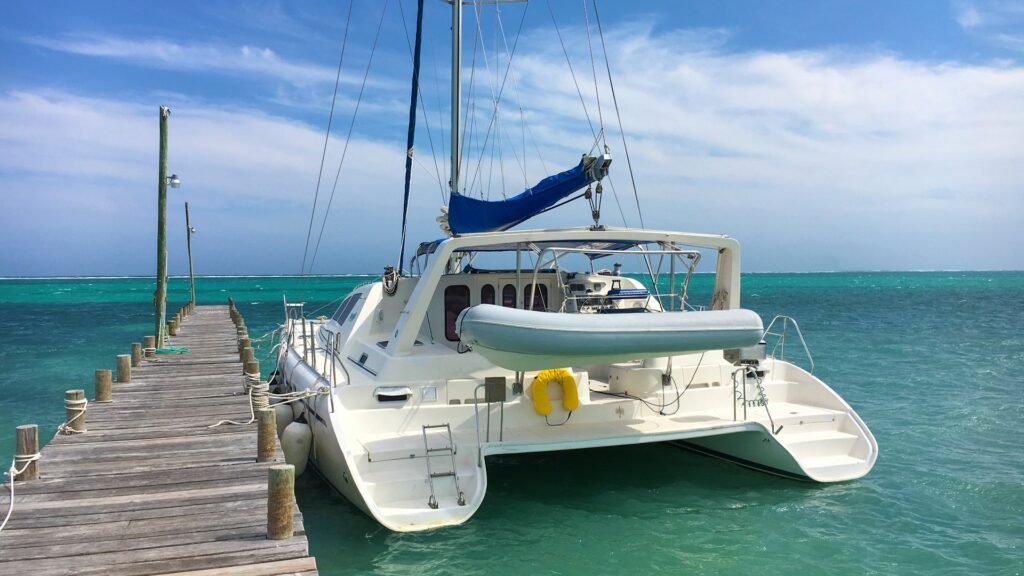
If you are thinking about listing your boat for sale here, the berth she currently occupies at Chios is part of the conversation, even though the marina does not publish its berth numbers, its maximum length overall, its alongside depth, or its travel lift capacity. Those figures matter enormously to a buyer, but until an operator puts them in writing we work with what is confirmed rather than what is assumed.
What decides whether a buyer can realistically keep a boat at any given berth in Chios, or anywhere else in Greece, comes down to three measurements: length overall, beam, and draft. A marina allocates berths against these figures, not against a boats reputation or her class. A boat that is a metre longer than the next model, or half a metre wider in the beam, can be excluded from a run of berths that would otherwise suit her perfectly. Draft does the same work at the depth end, ruling a boat in or out of an alongside berth regardless of how well she handles at sea. This is why we ask for exact figures before we tell any buyer what is or is not possible.
A berth that transfers with the boat on sale is a genuine advantage in the Greek market, where good berths are scarce and waiting lists are common in many marinas. A buyer who inherits a secure berth avoids months of searching and the uncertainty of relying on a temporary mooring while a permanent one is found. It is one of the few tangible things a seller can offer beyond the boat herself, and it often shortens the time a listing stays on the market.
Before you list, check the exact terms of your own berth or mooring agreement. Confirm whether the contract is transferable to a new owner at all, whether the marina requires its own approval of any transfer, and whether any transfer fee or waiting period applies. Check the notice period you owe if the berth does not transfer, and whether fees are paid annually or in some other cycle. A buyer will ask these questions early, and having clear answers ready avoids delay once a viewing has been arranged and funds confirmed.
| Detail | Value |
|---|---|
| Berths at Chios | not published |
| Maximum length overall accepted | not published m |
| Alongside depth | not published m |
| Travel lift capacity | not published tonnes |
| Haul out and craning | not published |
| Season | Year-round |
| Nearest airport | Chios Island National Airport Omiros (JKH) |
| Transfer to the berth | 3 km by road, approx. 10 min from Chios town; approx. 5 km from the new marina site |
| Brokerage fee | 5% of the sale price, payable on completion |
Your boat lies at Chios, Chios, and the practical question for any serious buyer is how they get from an airport seat to standing on your deck. The nearest airport is Chios Island National Airport Omiros (JKH). From there the transfer is 3 km by road, approximately 10 minutes from Chios town, and approximately 5 km from the new marina site. It is a short, unremarkable journey, which is exactly what you want when someone has flown in to look at one specific boat.
We do not leave that journey to chance. A viewing is arranged by appointment, agreed with you in advance so you know who is coming and when. The boat is opened, powered and ready before the buyer sets foot on the pontoon, not shut up and cold with covers still on. One named broker attends, someone who knows the specification in detail and can answer questions without reaching for a folder.
That broker stays for as long as the buyer needs. There is no queue behind them, no next appointment hovering, no reason to hurry a decision that involves this much money. Buyers notice when they are being rushed, and they notice when they are not.
Understand what a buyer flying in has actually planned. Nobody crosses to an island to look at a single boat. They have built a short itinerary, typically two or three boats in the same trip, because the flight and the time away are the expensive part, not the extra hour spent walking a second pontoon. That changes what your presentation needs to do. It has to work in a compressed window, alongside direct comparison with whatever else is on their list that day. A boat that is ready the moment they step aboard holds its own in that comparison. One that needs apologising for does not, and there is rarely a second appointment to put it right.
Chios Island National Airport Omiros (JKH): official website
Around Chios and the North & East Aegean, the volume market sits in cruising monohulls between ten and sixteen metres. These are bought by couples and families planning their own seasons, often with an eye on chartering the boat out for a few weeks to offset costs. They check rigging age, engine hours, and whether the boat has wintered ashore or afloat, since local mooring conditions vary and affect the hull and seals. Sailing catamarans hold their value better than most types in this region, and the buyers reflect that. You get private owners wanting stability and space for family cruising, alongside charter operators looking to add a boat to a managed fleet. Both groups scrutinise service history closely, particularly engine maintenance on the twin units, and they want clarity on any charter licence or commercial registration attached to the vessel. Motor yachts and flybridge boats move for a different reason. Buyers here are usually thinking about short hops between islands and entertaining guests at anchor, so they look at deck layout, shade, and cockpit space as much as performance. Fuel consumption at cruising speed matters to them, and they ask pointed questions about generator hours and air conditioning if the boat has it. Larger yachts sell more slowly, but the buyers who come to this end of the market arrive prepared. They have usually done their homework before the first viewing, with finance and use case already settled. They check class survey history where it exists, crew accommodation if relevant, and the practicalities of berthing and haul-out in the Aegean rather than assuming facilities will match those in larger yachting centres further west. Across all four categories, the constant is that serious buyers ask precise questions early rather than late. They want engine hours, not impressions. They want to know when the boat last had antifouling, not how she looked in a photograph. That pattern holds whether the boat in question is a modest weekend cruiser or something considerably larger.
A boat sold in Greece changes hands on paper as well as on the water. The buyer wants three things in order: a clean bill of sale, evidence that the previous register has released her, and documentation of her VAT status within the EU. Most owners selling here keep the flag she already wears; a change of flag is a choice, not an obligation, and it is usually driven by the buyer's residence rather than by where the boat is lying.
Where a buyer does want the Greek flag, private pleasure craft are entered through the local port authority and the paperwork is straightforward once the deletion certificate from the old register is in hand. Private boats cruising Greek waters also carry the TEPAI cruising contribution, which is calculated on length and paid monthly or annually. We handle the sequence so the two sides are never waiting on each other, and we tell you before you sign which document is going to be slowest.
Chios lies in the North & East Aegean, one of the larger islands in that chain, facing the Turkish coast across the strait to its east. The island opens directly onto Aegean waters, with sheltered approaches along its eastern shore where the town and harbour sit. It is not a stopover on the more travelled Cycladic routes further south, which keeps its anchorages and approaches quieter than those further west. For anyone arriving by air, Chios Island National Airport Omiros (JKH) is close at hand: roughly 3 km by road from Chios town, about a ten-minute drive, and around 5 km from the new marina site. That proximity matters for viewings and for owners who want to move between the boat and a flight without losing half a day to the journey. The island itself sits within the wider network of North & East Aegean coastline, connected by sea to neighbouring waters rather than isolated at the edge of the map. A chart follows this paragraph, and it will show the detail of the approaches and the marina position better than any description here.
We charge 5% of the final sale price and it is payable only on completion. There is nothing to pay up front, no listing fee and no photography charge. If she does not sell, you owe us nothing at all.
No. She stays exactly where she lies at Chios and buyers come to the pontoon. Moving a boat for a sale costs money, adds risk and rarely helps. Her own berth at Chios is the best showroom she has.
A correctly priced boat at Chios normally sells within three to six months, and most of that time is spent waiting for the right funded buyer rather than waiting for enquiries. Overpriced boats sit for a year or longer.
One named broker handles your boat from listing to handover. The same person answers the enquiry, qualifies the buyer, meets them at the berth at Chios and runs the viewing. You are never passed around a call centre.
Proof of ownership, the registration document, the VAT status paperwork and invoices for any major works. Missing paperwork is the most common reason a sale collapses late. This is general information and not legal advice, so check your own position.
We look at recent completed sales of the same model, current asking prices, her condition, her hours and her equipment, then set a figure that attracts funded buyers rather than tyre kickers. A survey usually confirms that number rather than changing it.
Send us the make, model, year and berth number and we will come back with a realistic market figure, not a flattering one. Flat 5% commission on completion, no listing fee, no photography fee.
Value my boat+30 698 013 5656