Sell her from her own berth at Mytilene, Lesvos. One named broker, funded buyers only, private viewings by appointment. 5% on completion, nothing up front.
Request a valuationView yachts for saleHome › Yacht brokers North & East Aegean › Sell Your Boat Mytilene
Sell your boat Mytilene: the quickest route is to leave her exactly where she lies at Mytilene, Lesvos and let the buyers come to the pontoon.
Mytilene, on Lesvos in the North & East Aegean, sits within a marina that holds 222 berths and takes yachts up to 50 metres in length overall. The season here runs year-round, giving a boat based here more months of visibility than ports that close for winter. Mytilene International Airport Odysseas Elytis, code MJT, lies roughly 7 km away, about a 15 minute drive, which keeps overseas buyers and their surveyors within easy reach.
Selling through us costs five per cent, payable on completion, with nothing due upfront. One broker manages the process from the first valuation through to handover, so you deal with a single point of contact throughout. Viewings are arranged privately, by appointment only, and are limited to buyers whose funds have already been verified, which keeps the process discreet and serious from the outset.
At Mytilene you get four distinct types of buyer, and each one walks the pontoon differently. Greek owners trading up within the same marina tend to move fast because they already know the berth, the harbourmaster, and half the boats around them. They inspect the engine hours and the antifouling history first, since they are usually replacing a boat they have maintained themselves and they know exactly what tired looks like. What makes them walk away is a service history with gaps in it. If the logbook stops making sense, they lose interest quickly, regardless of how the boat looks on deck.
Northern European buyers who want a boat already lying in Greece are after something different entirely. They want to fly in and be aboard within days, so their first questions are about the berth licence, whether it transfers, and what the mooring costs. They check the canvas, the upholstery, and the state of the electronics, because they are thinking about the first charter or the first family week, not a winter refit. They walk away over anything that smells of a hidden repair, particularly around the hull or the keel.
Charter operators are more clinical. They want Greek paperwork already in order and a berth that comes with the sale, because both of those save them months. They go straight to the survey file and the commercial licensing history, and they will discount a boat quickly if the paperwork is incomplete or if the layout will not suit paying guests.
First time buyers stepping up from something smaller inspect everything, sometimes twice, because they are nervous about scale. They ask about handling under power, sail area, and how much boat they can actually manage. They walk away when a boat feels beyond them, not because of price but because of confidence.
The season at Mytilene runs year-round, which keeps enquiries steady rather than seasonal. There is no autumn cliff in demand, so boats here tend not to sit through a quiet winter waiting for spring interest to return.
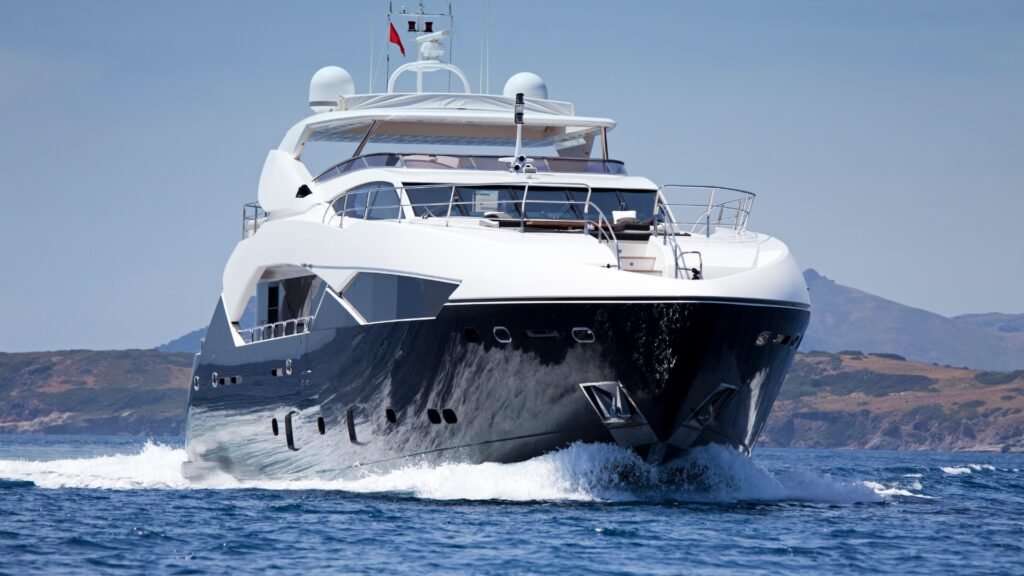
Selling a boat starts with a proper valuation, not a guess based on what is listed for sale elsewhere. Yacht brokers Mytilene work from actual sale prices, boats that have changed hands, not the asking prices still sitting unsold on portals months after they were listed. That gives you a figure grounded in what buyers have actually paid, rather than what a hopeful seller wished for. Once the price is set, the boat needs to be presented properly. That means professional photography and video shot at the berth, in good light, showing the vessel as she is rather than as a stock image suggests she might be. A written listing follows, one that answers the questions a serious buyer would otherwise have to ask by phone or email: engine hours, service history, equipment fitted, condition of sails or rigging, anything a surveyor would flag later anyway. The listing then goes out to the international portals where buyers actually search, so the boat has proper visibility rather than sitting on a single local site. From there, enquiries start coming in, and this is where a broker earns their keep. Every enquiry gets filtered. Time-wasters, tyre-kickers and anyone without confirmed funds are screened out before a viewing is ever arranged. You are not fielding calls from people who were never going to buy. When a serious buyer is identified, a private viewing is arranged by appointment, and only after funds have been confirmed. From there the broker runs the negotiation, coordinates the survey, and manages the paperwork through to completion, chasing documents, liaising with the surveyor, keeping the transaction moving. You stop making calls, stop answering the same questions repeatedly, and stop dealing with anyone who has not been vetted. The commission is five per cent on completion, with nothing payable upfront.
Whatever figure you find on a listing site for a boat similar to yours lying at Mytilene tells you what someone hopes to achieve, not what a boat is worth. It is a starting position, sometimes an ambitious one, and it carries no weight with a buyer or their surveyor. What matters is what boats of that type, age and condition have actually sold for, and that information sits with brokers who have handled those transactions, not on a search page.
From there, the year on the transom is only one input among several, and often not the decisive one. Engine hours and how the engine has been maintained say more than the age of the boat itself. The generation of the electronics matters, because a chartplotter and instruments from a decade ago read as dated even when everything still works. The condition of the rig, the sails and the canvas work tells a buyer how much they will need to spend before they can use the boat properly. Whether a serviceable tender and outboard are included changes the sum a buyer has to find on top of the purchase price, and buyers do the arithmetic whether you invite them to or not.
Location counts for more than sellers often expect. A boat lying in Greece, with her paperwork in order and a berth already secured, is worth more to a buyer than an identical boat ashore somewhere they would need to arrange transport, haul-out and berthing before they could use her. You are removing friction and cost from the buyer's side of the deal, and that is reflected in what they are prepared to pay.
Setting the asking price too high does not protect your position, it erodes it. A boat that sits unsold for months acquires a reputation among the brokers and agents who talk to each other about what is moving and what is not. Buyers ask why she has not sold, and the honest answer, that the price was wrong, is the one that costs you the most in the end.
It starts with a visit to your boat where she lies, in her own berth at Mytilene. No stock valuation from a spreadsheet, no guesswork from a photograph. We look at her condition, her equipment, her history and the state of the local market, and we give you a straight, honest figure for what she is likely to fetch.
Once you are happy with that figure, we agree an asking price with you and put it in writing. A listing agreement sets out what we will do, what you can expect from us, and confirms the terms of the sale before anything goes public.
Photography and video are shot at Mytilene, on the water and at the berth, so buyers see her as she actually is. The listing is then written up and pushed out to the international portals, reaching buyers well beyond Lesvos and the Aegean.
Enquiries come in and we filter them. Only buyers who can demonstrate that funds are in place are offered an appointment. This protects your time and keeps casual lookers away from your boat.
Viewings are private, arranged in advance, and held at her berth. We attend, we answer questions, and we keep you informed after each one.
When an offer comes in, we handle the negotiation on your behalf, keeping you updated at every stage so you know exactly where things stand.
Once terms are agreed, survey and inspection are arranged locally with a surveyor of the buyer's choosing, and any points raised are dealt with directly between the parties.
The contract is then signed and the deposit is held properly, through a recognised arrangement rather than informally between buyer and seller.
From there we move to completion: deregistration of the vessel, transfer of ownership, and handover at Mytilene, arranged so that both sides know what is happening and when.
Our fee is five per cent, payable on completion. Nothing is payable up front.
A local broker replies with a realistic market figure, not a flattering one. No listing fee, no photography fee, flat 5% commission on completion.
We use these details only to value your boat and reply. No mailing list, no third parties. Prefer to talk? +30 698 013 5656.
Selling privately at Mytilene starts with the phone ringing more than you expect, and almost none of those calls leading anywhere. You will field enquiries from people who have not arranged finance, who are pricing the market rather than buying in it, or who simply enjoy looking at boats. Sorting the genuine from the curious takes time you probably do not have.
Each viewing means opening her up, running the systems, making the boat presentable, then doing it again for the next person. If you are not based at Mytilene yourself, that is a journey every time, often for someone who decides on the pontoon that this was never really a purchase they intended to make.
Without sold comparables behind you, a private seller has no ground to stand on when a buyer pushes the price down. Brokers know what similar boats have actually made, not just what they were listed at, and that knowledge is what holds a figure firm during negotiation.
A deposit taken privately is only as safe as the person holding it. With no client account behind the transaction, there is nothing standing between that money and a dispute if the sale falls through. Title transfer and deregistration paperwork carry the same exposure: get a step wrong and the liability sits with you long after the money has changed hands.
Meanwhile the boat still costs you. Berthing at Mytilene continues to be charged, insurance stays on risk, antifouling and servicing still fall due whether or not a buyer is close. None of that pauses while you wait for the right person to appear.
A boat that carries through an entire season unsold has cost her owner in berthing, insurance and upkeep considerably more than a five per cent commission on completion would have done. The commission is paid once, on completion, with nothing up front. The running costs are paid every month, whether she sells or not.
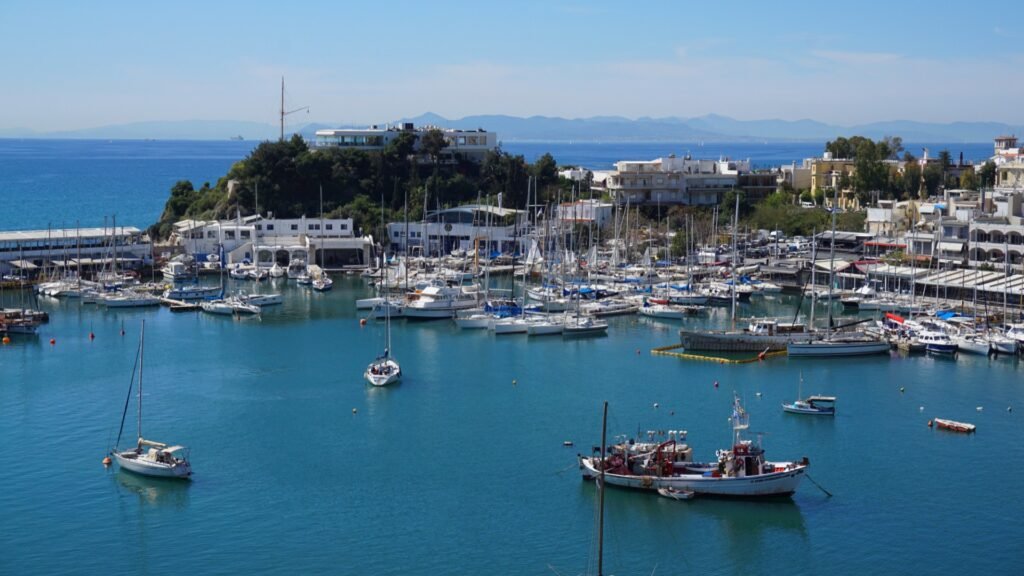
Once a buyer has been vetted and their funds confirmed, the paperwork for a sale at Mytilene follows a fairly settled pattern, and it helps to know what is coming before you sit down to sign anything.
The sale and purchase agreement sets out the price, the boat's particulars, and the conditions that still need to be met before completion. It is the document everything else hangs off, so it needs to describe your boat accurately and state clearly what happens if a condition is not satisfied.
A deposit is paid on signing, and it belongs in a client account held by a broker or lawyer, not in your hands or the buyer's. That keeps the money neutral while the conditions are worked through, and it protects both of you if the deal falls apart before completion.
Most agreements are subject to survey and to a private demonstration of the boat's systems under way. Any defects the surveyor finds are then negotiated between you and the buyer, either as a price adjustment, a repair before completion, or an allowance held back from the deposit until the work is done.
You will need to show clean title, meaning no outstanding finance registered against the boat, and evidence of her VAT status within the EU. Buyers ask for this early, and it is easier to have it ready than to go looking for it once a survey is booked.
Completion itself involves the bill of sale, deregistration from the current flag, and the paperwork to register the boat under the new owner. If there is a berth or mooring agreement at Mytilene, that needs transferring too, and it is worth checking with the marina office what they require from you.
Insurance changes hands on the day of completion, so your policy should run until that date and the buyer's should begin from it, with no gap between the two.
This is general information only, not legal advice, and you should take advice specific to your own sale.
Mytilene sits in the North & East Aegean, and the season there runs year-round. That does not mean buyer interest is constant throughout the twelve months, but it does mean the island is never fully closed to a sale the way some mainland marinas effectively are once autumn sets in. A boat can be listed, viewed and sold in principle at any point, though the practical rhythm of the market still follows the calendar. Enquiries tend to build from late winter into spring, as buyers who have spent the darker months thinking about a purchase start to make plans for the coming season. Most want to take delivery before or during the summer months, so that they get real use out of the boat rather than owning her through a lay-up period. If you list in good time before that window opens, you give a buyer the option of collecting the boat ready for their own cruising plans rather than waiting on yours. Photographs and any private viewing show a boat at her best in the settled months of the season, when the light is clean and the water in the harbour is calm enough for a prospective buyer to judge her properly at rest and, once vetted with funds confirmed, underway. Once fixed autumn weather sets in, viewings become harder to arrange and less flattering when they do happen, and a boat listed late in the year will often sit until the following spring simply because buyer activity slows rather than because of anything wrong with the boat herself. Summer conditions in the North & East Aegean are generally settled, with periods of a steady prevailing wind that seasoned sailors expect and plan around rather than avoid. This shapes the kind of boat that moves well here: solid, capable cruising yachts and motor yachts suited to open water passages between islands, rather than boats built purely for sheltered, flat-water use. A buyer looking at Mytilene is usually thinking about a boat that can handle a proper Aegean crossing, and that is worth bearing in mind when you decide how, and when, to bring her to market.
Start with the basics that every buyer notices before they notice anything else. A deep clean inside and out, done properly rather than hurried, changes the first impression more than almost anything else you could spend money on. A polished hull tells a buyer the boat has been looked after, and that impression sets the tone for how they read everything that follows.
The tender, the covers and the canvas work matter more than owners tend to think. If they are faded, torn or simply grubby, a buyer assumes the same neglect extends to the parts of the boat they cannot see. Replacing or properly cleaning these items in Mytilene before a viewing is cheap compared with the doubt it removes.
Engines are where buyers and surveyors focus hardest. Have them serviced by a competent engineer and keep the invoices and logbooks to hand. A boat with a clear, documented service history sells with far less friction than one where the owner simply says the engines run fine.
Perished hoses, tired batteries and instruments that no longer read correctly are worth sorting before a survey rather than after. A surveyor will list every one of them regardless, and finding these faults on the surveyor's report rather than fixed in advance hands the buyer a reason to push on price or walk away.
Clear out personal belongings. A buyer needs to see the boat, not the life that has been lived aboard her. Charts, family photographs, clothing and clutter all get in the way of that.
A full repaint or a new suite of electronics rarely returns what it costs. Buyers pay for a boat that is clean, sound and honestly presented, not for cosmetic work that a surveyor will discount anyway.
On an older boat, a pre listing survey is worth commissioning yourself. It puts the facts on the table before an offer is made, and it removes the kind of surprise that appears late in a deal and kills it.
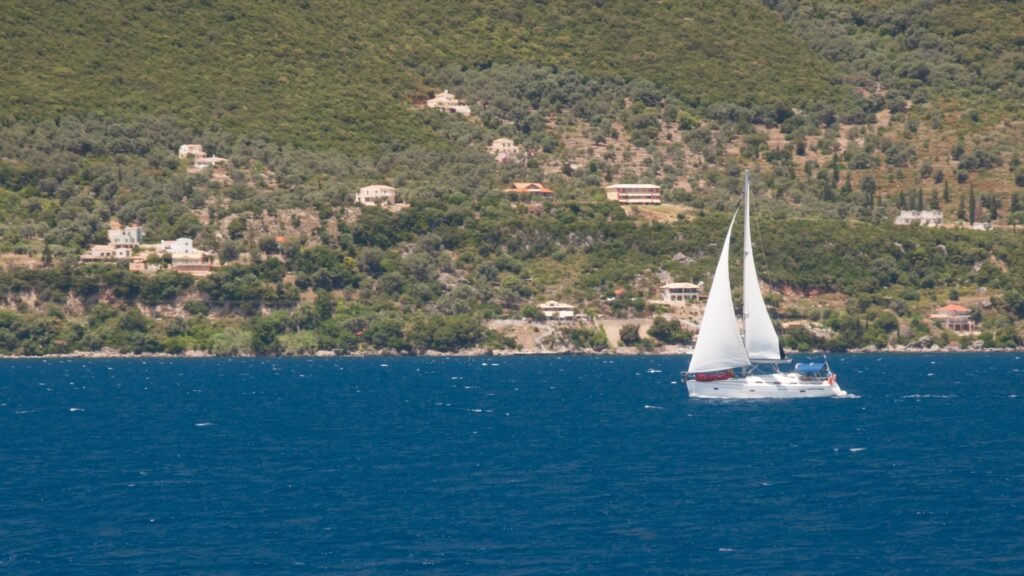
Mytilene, on Lesvos in the North and East Aegean, is a proper marina rather than a makeshift anchorage, and that distinction matters when you are deciding where to keep a boat you may want to sell. It holds 222 berths and takes yachts up to 50 metres length overall, with an alongside depth of 6.3 metres, so there is genuine room for larger craft as well as the more modest end of the fleet. The marina operates year-round, which means your boat is never mothballed for half the year waiting for a season to start.
Haul out and craning are handled on site by Mytilini Marina, which is run under the Setur name, and lift and launching are done in the same place. For an owner this removes one of the more tiresome parts of ownership, since surveys, antifouling, and any pre-sale work can be arranged without shipping the boat elsewhere and without the delays that come from booking a slot at a yard some distance away.
A buyer walking the pontoons here sees a working marina rather than a showground. Boats sit alongside in ordinary daily use, with owners and crew about, tenders being hosed down, gear being loaded and unloaded. That ordinariness is useful. It lets a serious buyer judge a boat in its normal setting rather than in an artificial one dressed up for a single afternoon.
Around the marina you have the usual trades a seller needs within reach, riggers, mechanics, electricians and cleaners who work the berths regularly and know the boats. That local knowledge speeds up any snagging list a survey throws up, and it means a buyer's surveyor is not working in isolation.
A boat lying in Mytilene is easy to show because the logistics are already solved. Haul out is on site if a buyer's surveyor wants the boat out of the water, the depth alongside accommodates larger yachts without complication, and the marina's year-round operation means a viewing is never held up by a closed season. Viewings themselves are arranged privately, by appointment, and only once a buyer has been vetted and their funds confirmed. Our commission is five per cent on completion, with nothing payable up front.
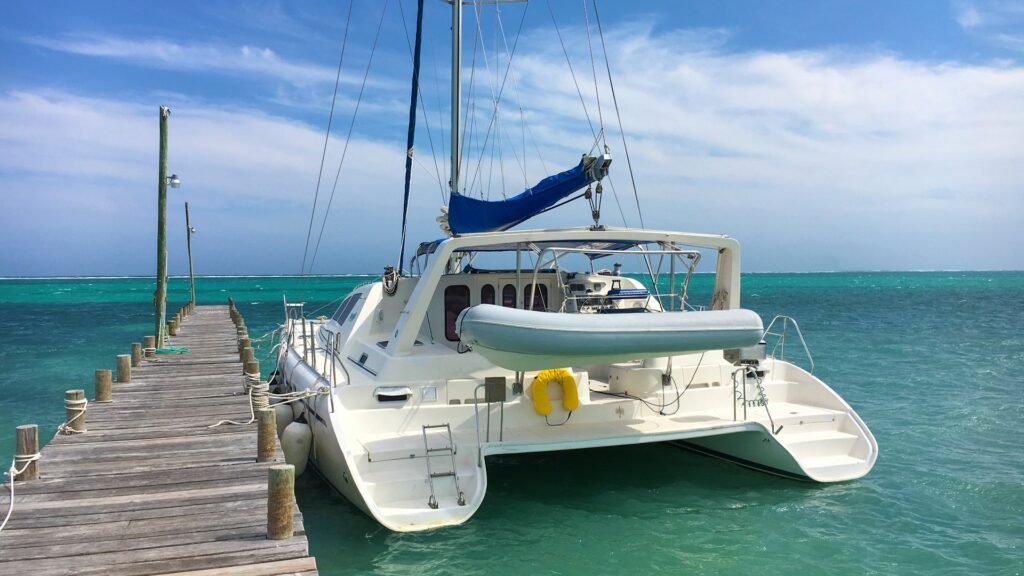
Mytilene has 222 berths and takes vessels up to 50 metres overall, with alongside depth of 6.3 metres. Those three figures, length, beam and draft, are what actually decide whether your boat fits here, not the brochure description of her. A 45 metre yacht with a wide beam or a deep draft can still be turned away if the specific berth she needs does not exist, so the marina works from her real dimensions rather than her class. This matters directly to who can buy her. A buyer who wants to keep the boat in Mytilene needs to know, before they make an offer, that a berth of the right length and depth is actually available to them. If your boat already sits within a berth that suits her, you are not asking the buyer to gamble on finding space elsewhere in the Aegean. You are handing them a mooring problem already solved, which in Greece is not a small thing. A berth that transfers with the sale is a genuine advantage. Marina space in the Greek islands is tight, waiting lists are long, and a new owner arriving without a berth can spend a season looking for one. If your agreement allows the berth to pass to the buyer, or at least gives them a straightforward route to take it on, that is a point in the boat's favour that has nothing to do with her engines or her upholstery. Before you list her, check exactly what you hold. Confirm whether your berth agreement is transferable, or whether it is personal to you and ends the moment you sell. Check the term remaining on it, any renewal date, and whether the marina requires its own approval before a new holder is accepted. If haul out matters to a buyer, note that lifting and launching are done on site at Mytilini Marina, operated by Setur, so there is no need to move the boat elsewhere for that work. Have these answers ready before a buyer asks. A seller who already knows the berth position looks organised, and an organised seller tends to get a cleaner offer.
| Detail | Value |
|---|---|
| Berths at Mytilene, Lesvos | 222 |
| Maximum length overall accepted | 50 m |
| Alongside depth | 6.3 m |
| Travel lift capacity | not published tonnes |
| Haul out and craning | Yes - Mytilini Marina (Setur), lift and launching on site |
| Season | Year-round |
| Nearest airport | Mytilene International Airport Odysseas Elytis (MJT) |
| Transfer to the berth | 7 km by road, approx. 15 min |
| Brokerage fee | 5% of the sale price, payable on completion |
A boat lying at Mytilene is not hard to reach. The nearest airport is Mytilene International Airport Odysseas Elytis, MJT, and the transfer from there to the boat is 7 km by road, approximately 15 minutes. For a buyer coming from Athens or from abroad, that is a short, straightforward last leg after the flight, not a logistical obstacle to weigh against the boat itself.
We do not leave a viewing to chance once someone has made that journey. An appointment is agreed in advance, so the boat is expected rather than discovered. She is opened up, powered, and ready when the buyer steps aboard, not shut up and cold as though nobody knew they were coming. One named broker is present throughout, someone who knows the specification in detail and can answer questions without reaching for a file or a phone call to somebody else.
The buyer gets proper time on board. There is no queue behind them, no sense of being moved along to make way for the next viewing. That matters more than it sounds, because a buyer who has flown in to look at a boat is not doing so lightly, and rushing them undoes the value of having brought them there at all.
It is worth understanding how these buyers think. Someone who has taken a flight to view a boat rarely does so for one boat alone. They expect to see two or three in the course of a trip, spread across a day or two, weighing one against another before they commit. That is simply how the decision gets made when the buyer is not local.
What that means for presentation is straightforward. A boat has to be ready to be judged against others seen the same day, not against some earlier version of herself or some future state once a few jobs are done. She needs to be clean, systems working, paperwork to hand, and nothing left for the buyer to imagine. Buyers comparing several boats in a short trip notice the one that was ready the moment they stepped aboard.
Mytilene International Airport Odysseas Elytis (MJT): official website
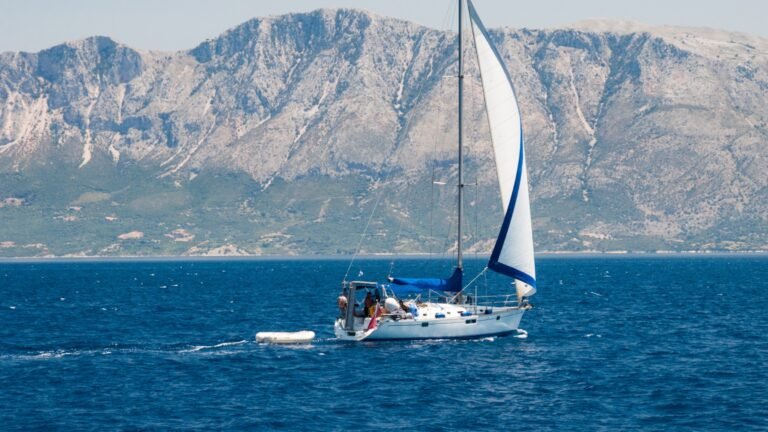
If you own a cruising monohull between ten and sixteen metres, you are sitting on the boat most likely to sell quickly around Mytilene and the North & East Aegean. This is the volume market. Buyers here are typically private owners looking for a boat they can handle themselves, often stepping up from a smaller yacht or buying their first serious cruising boat for the region.
They will ask about engine hours, standing rigging age, and whether the boat has been laid up ashore or kept afloat year round. They check antifouling history and want to see service records for the engine, not just a verbal account. A tidy logbook and recent survey carry real weight with this buyer.
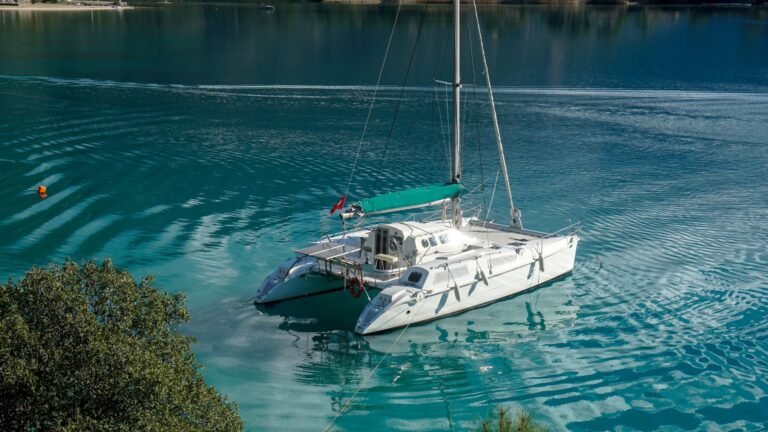
Sailing catamarans behave differently. You will find they hold their value better than most monohulls in this size range, and you get two distinct buyer types: private owners wanting space and stability for family cruising, and charter operators looking to add to a fleet. Charter buyers move fast if the numbers work, but they scrutinise everything: charter history, wear on deck hardware, and how the boat has been maintained under commercial use.
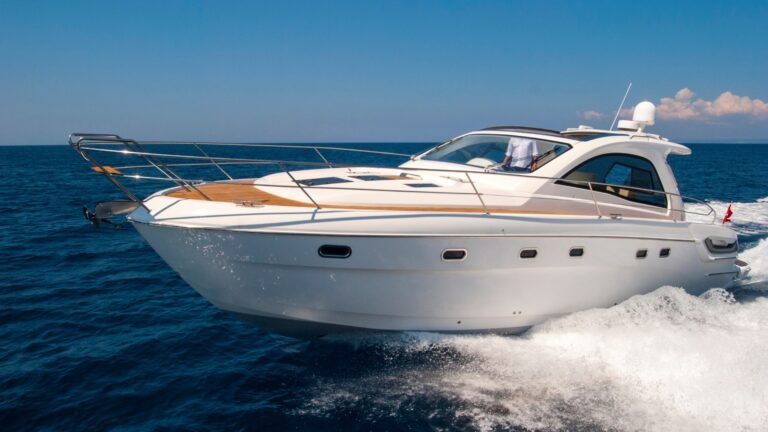
Motor yachts and flybridge boats attract a different owner altogether. These buyers are usually thinking about short hops between islands and entertaining guests on board rather than long passages. They check fuel consumption at cruising speed, generator hours, and the condition of upholstery and galley equipment, since these boats are bought to be lived on for a few hours at a time rather than crossed oceans in.
Larger yachts sell more slowly, and if you own one of these you should expect a longer road to completion. The buyers who do come forward, though, arrive prepared. They have usually done their homework before they ever ask for a viewing, and they bring surveyors, engineers, and sometimes a captain along to look the boat over properly. Financing is often already arranged, and they move with intent once they commit to the process.
Across all four categories, the pattern is consistent: buyers pay for boats that are honestly presented, with paperwork that matches what they see in front of them.
A boat sold in Greece changes hands on paper as well as on the water. The buyer wants three things in order: a clean bill of sale, evidence that the previous register has released her, and documentation of her VAT status within the EU. Most owners selling here keep the flag she already wears; a change of flag is a choice, not an obligation, and it is usually driven by the buyer's residence rather than by where the boat is lying.
Where a buyer does want the Greek flag, private pleasure craft are entered through the local port authority and the paperwork is straightforward once the deletion certificate from the old register is in hand. Private boats cruising Greek waters also carry the TEPAI cruising contribution, which is calculated on length and paid monthly or annually. We handle the sequence so the two sides are never waiting on each other, and we tell you before you sign which document is going to be slowest.
Mytilene sits on the eastern coast of Lesvos, the main town and port of the island, facing out across open water toward the wider North & East Aegean. The town itself looks onto the Aegean Sea, with the harbour serving as the principal gateway for vessels arriving from or departing toward the broader Aegean cruising grounds. Lesvos lies within this north-eastern stretch of Greek waters, a region known for longer passages between islands and a more open, less crowded character than the Cyclades or Ionian further south or west. For an owner based here, Mytilene functions as both a home port and a natural staging point for wider Aegean exploration, with the town offering the practical infrastructure a yacht owner needs alongside its working harbour identity. Access is straightforward: Mytilene International Airport Odysseas Elytis, known by its code MJT, lies roughly 7 km from the town by road, a journey of approximately 15 minutes. This proximity matters for owners and prospective buyers alike, since it keeps the passage from arrival to boat short and uncomplicated. The map that follows sets out the immediate surroundings in more detail, but the essential point is that Mytilene occupies a position on the Aegean seaboard that is both accessible and well placed for onward cruising.
We charge 5% of the final sale price and it is payable only on completion. There is nothing to pay up front, no listing fee and no photography charge. If she does not sell, you owe us nothing at all.
No. She stays exactly where she lies at Mytilene, Lesvos and buyers come to the pontoon. Moving a boat for a sale costs money, adds risk and rarely helps. Her own berth at Mytilene is the best showroom she has.
A correctly priced boat at Mytilene, Lesvos normally sells within three to six months, and most of that time is spent waiting for the right funded buyer rather than waiting for enquiries. Overpriced boats sit for a year or longer.
One named broker handles your boat from listing to handover. The same person answers the enquiry, qualifies the buyer, meets them at the berth at Mytilene, Lesvos and runs the viewing. You are never passed around a call centre.
Proof of ownership, the registration document, the VAT status paperwork and invoices for any major works. Missing paperwork is the most common reason a sale collapses late. This is general information and not legal advice, so check your own position.
We look at recent completed sales of the same model, current asking prices, her condition, her hours and her equipment, then set a figure that attracts funded buyers rather than tyre kickers. A survey usually confirms that number rather than changing it.
Send us the make, model, year and berth number and we will come back with a realistic market figure, not a flattering one. Flat 5% commission on completion, no listing fee, no photography fee.
Value my boat+30 698 013 5656