Sell her from her own berth at Zea Marina, Piraeus. One named broker, funded buyers only, private viewings by appointment. 5% on completion, nothing up front.
Request a valuationView yachts for saleHome › Yacht brokers Athens & Attica › Sell Your Boat Zea Marina
Sell your boat Zea Marina: the quickest route is to leave her exactly where she lies at Zea Marina, Piraeus and let the buyers come to the pontoon.
Zea Marina at Piraeus sits at the centre of the Athens boating world, with 625 berths and a season that runs year-round rather than the shortened windows found further north. Athens International Airport Eleftherios Venizelos is roughly forty minutes away, which matters when a buyer is flying in for a single afternoon. If your boat is lying here, she is already in a location that buyers recognise and trust, without you having to explain where Zea is or why it works.
Selling through us costs five per cent, payable on completion, with nothing asked for up front. One broker is named to your file from the first valuation through to handover, so you deal with the same person throughout rather than being passed between departments. Viewings are private, arranged by appointment, and only take place once a buyer has been vetted and their funds confirmed, which keeps your time and your boat protected.
Greek owners moving up within Zea Marina tend to know the berth plan and the boatyards better than anyone, so they go straight to the engine room and the service history. They want to see who has done the work, not just what has been done. A boat with a patched maintenance record or an unexplained gap in the logbook loses them quickly, whatever the rest of her looks like.
Northern European buyers who want a boat already lying in Greece are usually after time, not just a hull. They check the current flag, the VAT position and whether the berth transfers with the sale, because the point is to fly in and be aboard within the week. If the paperwork needs weeks of chasing, or the berth is not secure, they move on to the next listing rather than wait.
Charter operators are the most transactional of the four groups. They want Greek commercial licensing in order, a berth that holds, and layouts that suit paying guests rather than a private owner. Anything requiring reflagging or a change of commercial status adds cost and delay they are not willing to absorb, and that alone ends the conversation.
First time buyers stepping up from something smaller focus on handling and visibility from the helm, and on how much boat they can actually manage short-handed. They walk away less over price than over a boat that feels too big for the way they intend to use her, particularly if crew is not part of the plan.
The season at Zea Marina, Piraeus runs year-round, which keeps enquiries flowing steadily rather than in a single spring rush. It means a well-priced, well-documented boat can find a serious buyer in November as readily as in June, and viewings continue through the winter months when other marinas quieten down.
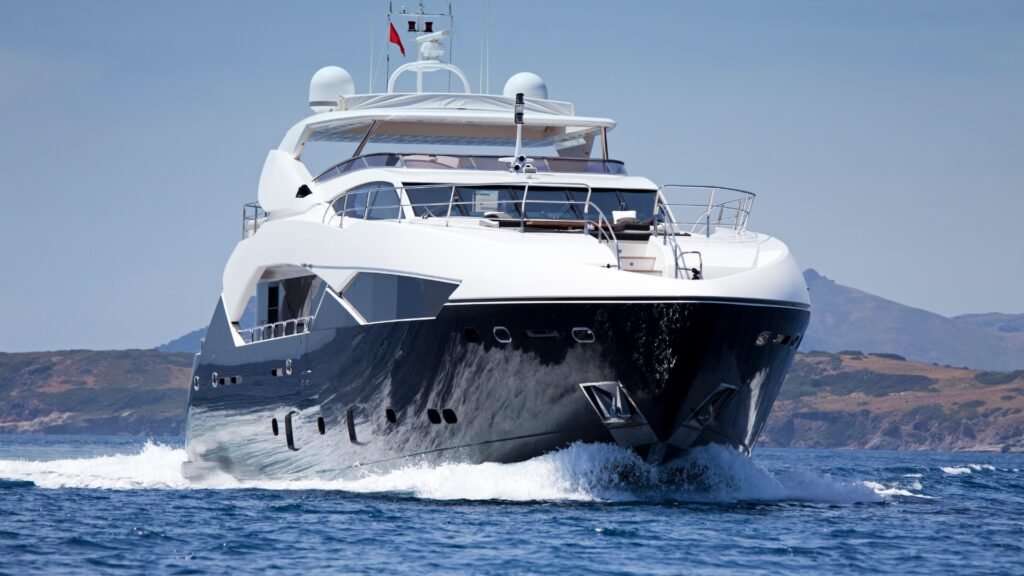
Selling a boat properly starts with a valuation based on what has actually changed hands, not what is sitting hopefully priced on a portal. Yacht brokers Zea Marina work from recent sales of comparable boats, adjusted for age, condition and equipment, rather than from wishful figures set by other owners still waiting for a buyer. That gives you a number you can defend, not one you have to apologise for.
Next comes the photography and video, shot at the berth rather than borrowed from a brochure. This means arranging access, working around weather and light, and producing images that show the boat as she is, not as a stock shot of her sister ship. You do not need to hire anyone or stand about holding a reflector.
The written listing has to answer the questions a serious buyer would otherwise ring up and ask: engine hours, last antifouling, known issues, what is included and what is not. Getting this right the first time saves weeks of repetitive calls later, and it is written once rather than reworded for every enquiry.
That listing is then placed on the international portals where buyers actually look, with the paperwork and translations that some of those sites require. Enquiries are filtered before they reach you, so you are not fielding calls from people who have not sorted their finance or are simply curious. Only buyers who have been vetted and had their funds confirmed are given a private viewing appointment.
From there the broker handles the negotiation, coordinates the survey, and manages the contracts, registry work and completion, keeping you informed rather than involved in every phone call. You are not chasing surveyors, translating documents, or working out what a foreign buyer's lawyer needs. The commission is five per cent, payable on completion, with nothing due upfront.
Whatever figure you have seen on a listing site for a boat similar to yours, put it aside. Asking prices are just that: asking. They tell you what someone hopes to achieve, not what a buyer actually paid, and until a transaction closes they are noise rather than evidence. What matters to a proper valuation is the record of completed sales, boats of comparable type, age and specification that have actually changed hands, because that is the only data that reflects what the market will really bear.
From there, the detail starts to move the number. Engine hours matter more than the year stamped on the transom, because a younger boat with a neglected engine is worth less than an older one that has been run and maintained properly. The age of the rig, the condition of the sails and the canvas, and how current the electronics are all speak to how much a buyer will need to spend the moment she is theirs. A tender and outboard that actually work, rather than sit as a token inclusion, add real value too, because they save a buyer an immediate cost and hassle.
Location plays its part as well. A boat lying in Greece, afloat, with her paperwork in order and a berth already secured, is simply worth more to a buyer than an identical boat sitting ashore somewhere that demands travel, logistics and uncertainty before anyone can even view her properly. Convenience and readiness are part of the price, not an afterthought.
Setting the asking price too high does not protect your position, it undermines it. A boat that sits unsold for months starts to look stale, and serious buyers begin to ask why nobody has taken her, which pushes them towards a lower offer than they might otherwise have made. The right price, grounded in achieved sales and the real condition of the boat, brings a serious buyer to a private viewing sooner, with their funds already confirmed, and that is what actually protects your money.
It starts with a call and then a visit. We come to Zea Marina and look at your boat in her own berth, not in a brochure. We give you an honest valuation based on her age, condition, engine hours and what has actually sold in Greece recently, not what you hope she is worth.
If the figure works for you, we agree an asking price and put it in writing. A listing agreement sets out the price, the fee and what each side is responsible for, so there is no ambiguity later.
Next comes the photography and video, shot at her berth in Zea Marina. We want buyers to see her as she actually sits, not staged, not filtered.
The listing then goes live and is pushed out to the international portals, so she is visible to the buyers actually looking, wherever they are.
Enquiries come in and we filter them. We do not put a stranger on your deck. Anyone asking to view has already shown us their funds are in place, and only then do we arrange a private viewing at the berth, by appointment.
When an offer comes in, we handle the negotiation on your behalf, keeping you informed at each stage rather than each hour.
Once terms are agreed, we arrange the survey and a private viewing locally, using surveyors and yards we know in Piraeus, so nothing gets lost between languages or time zones.
If the survey holds up, contracts are signed and the deposit is held properly, in escrow, not in anybody's current account.
From there it is completion: deregistration, handover, and the paperwork that goes with changing a boat's flag and ownership in Greece. We manage that process rather than leave you to chase it.
Our fee is five per cent, payable on completion. Nothing is payable up front, at any stage before that.
A local broker replies with a realistic market figure, not a flattering one. No listing fee, no photography fee, flat 5% commission on completion.
We use these details only to value your boat and reply. No mailing list, no third parties. Prefer to talk? +30 698 013 5656.
You list her yourself and the enquiries start arriving within days. Most of them go nowhere. You will find yourself answering messages from people who have no finance in place, no clear timeline, and in some cases no real intention of buying anything this year. Sorting the serious from the curious takes time you probably do not have.
Every viewing means opening her up, at Zea Marina or wherever she happens to be lying, and that means your time and often a trip down to Piraeus. You air her out, you make her presentable, you wait. A good number of these visitors are there to look at boats in general rather than to buy yours in particular, and you have no way of knowing which is which until the appointment is over.
When it comes to price, a private seller is at a disadvantage. Buyers who have done their homework will know you have no recent sold comparables to point to, and they will use that against you. You end up negotiating from a weaker position than a broker would, simply because you lack the data to hold your ground.
Deposits taken privately carry their own risk, since there is no client account standing behind the transaction. If a buyer pulls out, or the money was never properly secured in the first place, you are exposed. The same is true further down the line, when transfer of title and deregistration paperwork has to be handled correctly, in the right order, with the right authorities. Mistakes here cost money and time to unwind.
Meanwhile the boat is still costing you. Berthing at Zea Marina, insurance, antifouling, servicing, all of it continues whether she sells this month or not. A boat that sits unsold through a whole season will cost her owner considerably more in these running costs than a five per cent commission would ever have done, and that is before accounting for the time lost to enquiries that were never going to close.
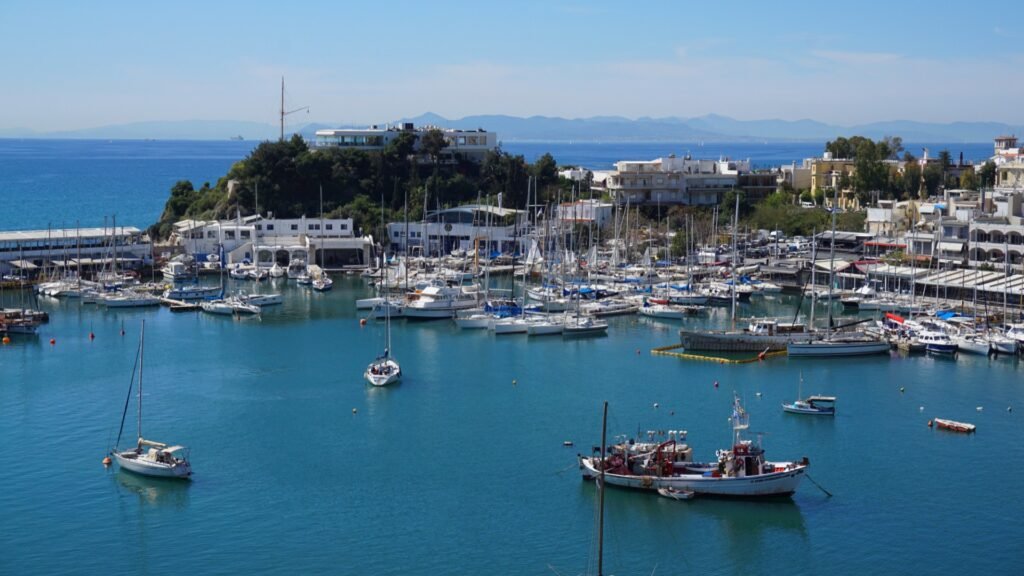
When you sell a boat at Zea Marina, the process runs on paperwork rather than promises, and each document exists to protect both sides of the transaction. The starting point is the sale and purchase agreement, which sets out the price, the boat's identity, the conditions attached to the sale, and the timetable for completion. Nothing moves without it in writing.
The buyer's deposit is held in a client account, not paid to you directly. This keeps the funds neutral until every condition of the agreement has been met, which protects you as much as it protects the buyer.
Most agreements are made subject to survey and to private viewings. If the surveyor or the private viewing turns up defects, the two sides negotiate a settlement, usually a price adjustment or an agreed repair before completion, rather than the deal collapsing outright.
You will need to show clean title, meaning there is no outstanding finance or claim registered against the boat, and evidence of her VAT status within the EU. Buyers ask for this early, and it is far easier to produce it before a buyer is found than to chase it under pressure once one has.
Ownership passes formally through a bill of sale. Alongside it, the boat is deregistered from her current flag and registered under the new one in the buyer's name, a step that has to be handled correctly for the sale to be recognised.
If the boat keeps her berth at Zea Marina, the mooring agreement is transferred to the new owner as part of completion, so there is no gap in her right to lie there. Insurance changes hands on the same day, with the new policy taking effect the moment the old one ends, so the boat is never left uncovered.
This is general information, not legal advice, and each sale should be reviewed by your own lawyer.
Zea Marina operates a year-round season, and that has practical consequences for anyone thinking about listing a boat there. It means the marina itself is never closed to business, but the buyers are not evenly spread across the twelve months. Enquiries build through the early part of the year as owners further north start planning their summer, and that is when a listing needs to be ready rather than half prepared.
Buyers who view in spring are usually looking to take delivery in time for their own summer use, so a boat listed and presented then has the best chance of a straightforward handover. Photographs taken in this period, and the private viewings that follow once a buyer has been vetted and funds confirmed, tend to show the boat at its best, with clean light on the water and the marina itself looking properly used rather than shut down. A boat that is only made ready for sale once the summer is already underway has usually missed the buyers who mattered most.
Once fixed enquiries slow into autumn, that is when the sensible seller either sharpens the price or accepts that the boat is likely to sit through winter waiting for the next spring wave of interest. There is no shame in that, but it should be planned for rather than discovered.
Summer in Athens and Attica is settled and dry, with long periods of steady weather rather than sudden change, punctuated by the meltemi that owners in the Aegean already know well. That pattern favours boats that are comfortable at anchor and easy to handle short-handed, with good shade on deck and enough tankage and cooling capacity to manage the season without constant marina stops. It is one reason well-equipped motor yachts and cruising sailing yachts both do well here, provided they are set up for real use rather than appearance alone.
At Zea Marina, boats sit close together and buyers walk the pontoons before they ever ask for a viewing. A boat that looks cared for from twenty metres away gets looked at properly. One that does not gets walked past.
Start with the basics. A deep clean inside and out, done properly rather than rushed, and a polished hull make more difference to a first impression than almost anything else you could spend money on. Tenders, covers and canvas should look cared for too. A tender with green growth on the tubes or a bimini gone grey tells a buyer more about how the boat has been kept than you might think.
Get the engines serviced and keep the paperwork to prove it. A buyer, or more likely a surveyor working for one, wants to see a service history that is complete and consistent, not a verbal assurance that everything is fine. While you are at it, replace anything a surveyor will list regardless: perished hoses, tired batteries, instruments that no longer work. These are small costs now. Left as they are, they become negotiating points later, and they cost you more in a reduced offer than they would have done to fix.
Clear out personal belongings. Charts with someone else's handwriting on them, family photographs, a wardrobe full of someone else's clothes: none of it helps. A buyer needs to see the boat, not you living on her.
Two things are rarely worth the outlay. A full repaint on a boat that does not need one seldom returns its cost at sale. The same goes for new electronics fitted purely to make the boat look current. Buyers do not pay pound for pound for either.
On an older boat, a pre-listing survey is worth having done. It costs money before you have a buyer, which feels backwards, but it means there are no surprises once an offer is on the table. Surprises at that stage are what kill deals, not the condition itself.
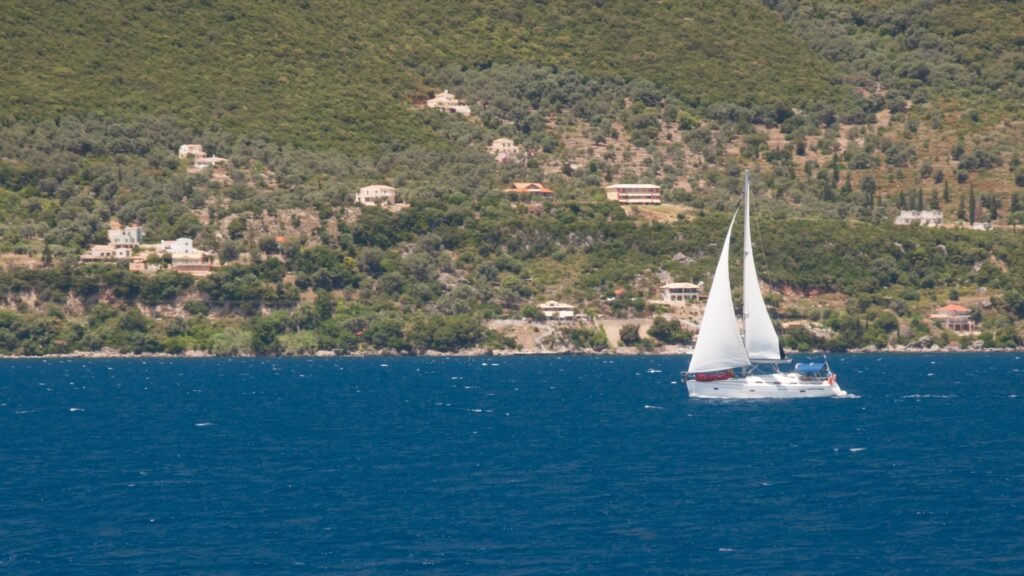
Zea Marina sits in Piraeus, within the Athens and Attica region, and it is one of the busiest and best known marinas in Greece. It holds 625 berths, so there is always a reasonable spread of boats alongside, from day boats up to serious yachts. The marina takes vessels up to 150 metres length overall, and alongside depth runs to 8 metres, which means larger yachts can lie comfortably without the compromises you find in smaller harbours.
The season here runs year-round, so a boat kept at Zea is not tucked away for half the year waiting for a window to be shown. You can bring a buyer down in January as easily as in July, and the marina keeps its working rhythm whatever the month.
Haul out and craning is available through the Piraeus yards, so lifting, antifouling, and any yard work a buyer might want checked before completion can be arranged without moving the boat far. That matters when a sale depends on a survey and a haul out happening close together, without a long delivery in between.
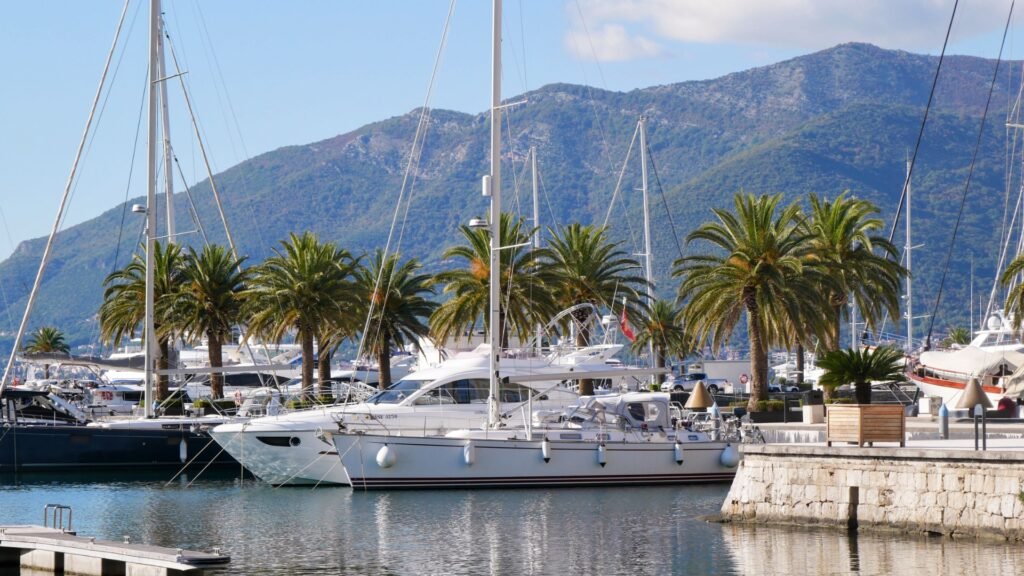
Walking the pontoons at Zea, you see a working marina rather than a showpiece. There are motor yachts and sailing yachts moored close together, crew about in the mornings, and a steady traffic of tenders and service boats. It reads as a place where boats are used and maintained, not simply stored, which is the impression you want a serious buyer to take away.
For a seller, the surrounding trades are a real asset. Piraeus has long been a centre for marine services, so riggers, engineers, detailers, and chandlers are near at hand, and most jobs can be turned around quickly. That means a boat can be presented properly at short notice, with any small defect put right before a viewing rather than apologised for during one.
All of this makes a boat lying at Zea straightforward to show. Viewings are arranged by private appointment once a buyer has been vetted and their funds confirmed, and the marina makes that easy to manage. Access is simple, parking and arrival are not a problem, and the yacht can be presented in clean working order without a long passage beforehand. For an owner deciding where to keep a boat that may go to market, Zea removes most of the practical friction from the process.
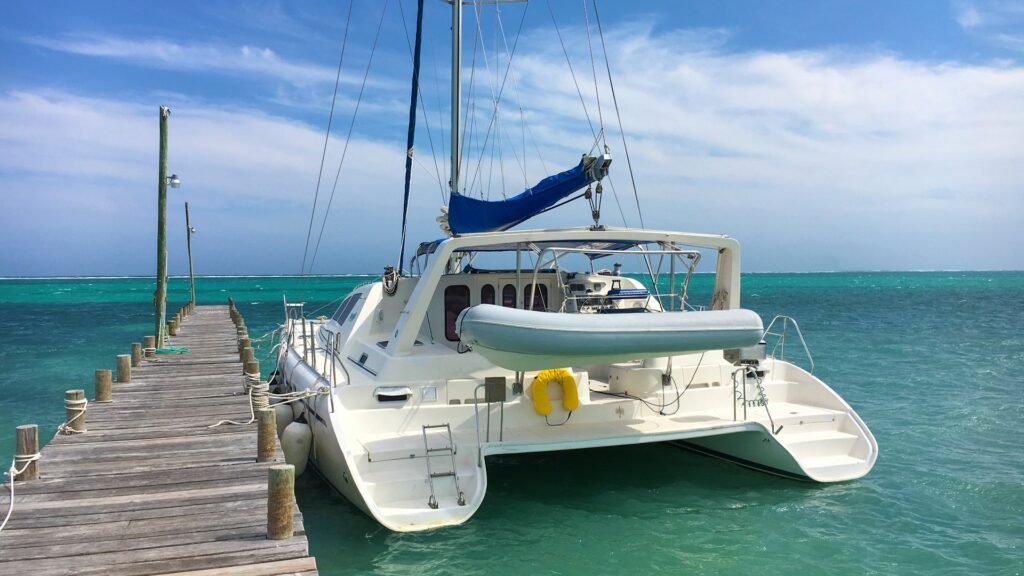
Zea Marina in Piraeus holds 625 berths and takes vessels up to 150 metres in length overall, with an alongside depth of 8 metres. Those figures matter more than they might first appear, because they set the outer limit of who can realistically buy your boat and keep her here. A yacht at the upper end of that length range, or with a deep draft, narrows the pool of berths available to her, and therefore narrows the pool of marinas a buyer can move on to if Zea is full.
Length overall, beam and draft together decide which physical slots a boat can occupy, not just at Zea but at any marina a buyer might consider afterwards. A buyer weighing up your yacht is also weighing up where she can live once she owns her. If the answer is nowhere convenient, that uncertainty gets priced into the offer, or the offer does not come at all. A boat that fits comfortably within the depth and length limits here is a boat with more options, and more options tend to mean a cleaner sale.
A berth that transfers with the vessel is worth stating plainly to a buyer, because in Greece marina space is not something you can simply go and rent when you like. Waiting lists exist, and a guaranteed spot at a marina such as Zea, with haul out arranged through the Piraeus yards, removes one of the first practical questions a serious buyer will ask.
Before you list, check whether your berth agreement is transferable at all, and under what conditions. Confirm who holds the contract, whether it is you personally or a company structure, and whether the marina requires its own approval of a new occupant. Check the term remaining on the agreement and any notice period. None of this needs to be resolved before a viewing, but it needs to be known, because a buyer’s solicitor will ask, and a broker cannot answer for you.
| Detail | Value |
|---|---|
| Berths at Zea Marina, Piraeus | 625 |
| Maximum length overall accepted | 150 m |
| Alongside depth | 8 m |
| Travel lift capacity | not published tonnes |
| Haul out and craning | Yes - Piraeus yards |
| Season | Year-round |
| Nearest airport | Athens International Airport Eleftherios Venizelos (ATH) |
| Transfer to the berth | 40 min |
| Brokerage fee | 5% of the sale price, payable on completion |
Getting a buyer from their front door to your boat at Zea Marina is simpler than most owners assume, provided the journey is planned properly. The nearest airport is Athens International Airport Eleftherios Venizelos, ATH, and the transfer from there to Zea Marina takes 40 minutes. That is the whole of the practical picture we give buyers before they travel, and it is enough for them to plan a trip around.
Once a buyer has been vetted and their funds confirmed, we agree a viewing appointment in advance. Your boat is opened, powered and ready when they arrive, not shut up and cold. A named broker who knows the specification is present throughout, so questions get answered on the spot rather than followed up later by email. The buyer has proper time on board, without another appointment waiting behind them and without being rushed toward a decision.
Buyers who have flown in for this rarely come to look at one boat alone. Having made the trip from wherever they started, most will want to see two or three boats while they are in Athens, comparing them within the same day or two. That is simply how the economics of travel work for them, and it is sensible on their part.
What that means for you is straightforward. Your boat is being judged not in isolation but against whatever else the buyer sees that day, often within a few hours either side. A boat that is ready, clean, and properly presented at the moment they step aboard makes its case quickly. One that needs apologising for, or that the crew has to tidy up in front of the buyer, loses ground it cannot easily win back within a single viewing.
We manage the schedule so that appointments do not overlap and so your boat is seen at its best, with enough time allowed for the buyer to look properly rather than skim the deck and leave. The short transfer from ATH means a buyer can realistically see your boat and one or two others without the day becoming a logistical strain, which keeps serious buyers willing to make the trip in the first place.
Athens International Airport Eleftherios Venizelos (ATH): official website
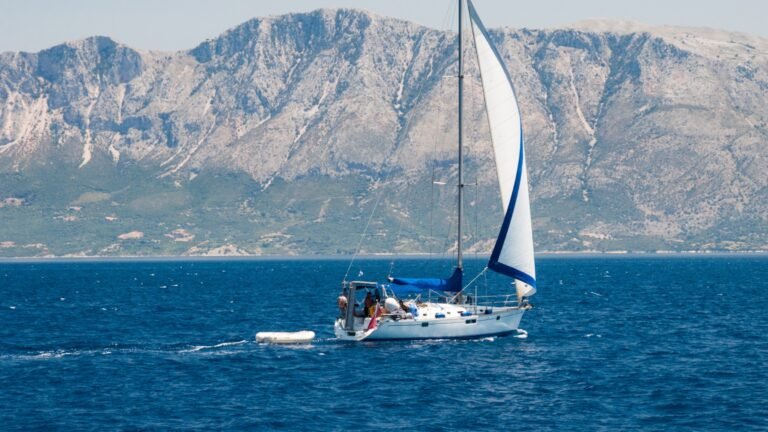
Around Zea and the wider Attica coast, the boats that move fastest are cruising monohulls between ten and sixteen metres. This is the volume market, and it is where you will find the most active buyers. Typically these are private owners looking for a boat they can sail themselves at weekends, sometimes with a family or a small group of friends, and often with half an eye on chartering her out for part of the season to offset costs.
Buyers in this band check the standing rigging and the engine hours first, then move to the sail inventory and the state of the deck hardware. They want to see service records, not just a logbook entry saying all is well. If the boat has been chartered, they will ask about the management company and how she has been maintained between bookings.
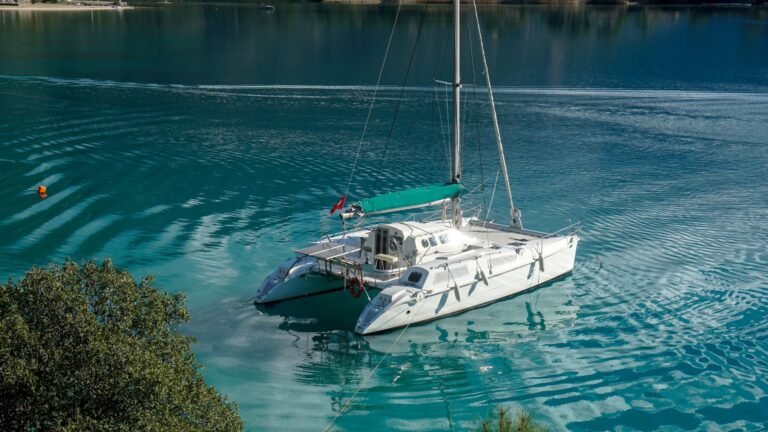
Sailing catamarans hold their value better than most other types sold here, and they draw two distinct groups. Private buyers want the space and the stability for family cruising, while charter operators are looking at her as a working asset with a return to justify. Both will look hard at the rigging, the condition of the saildrives or engines, and any record of osmosis or structural repair.
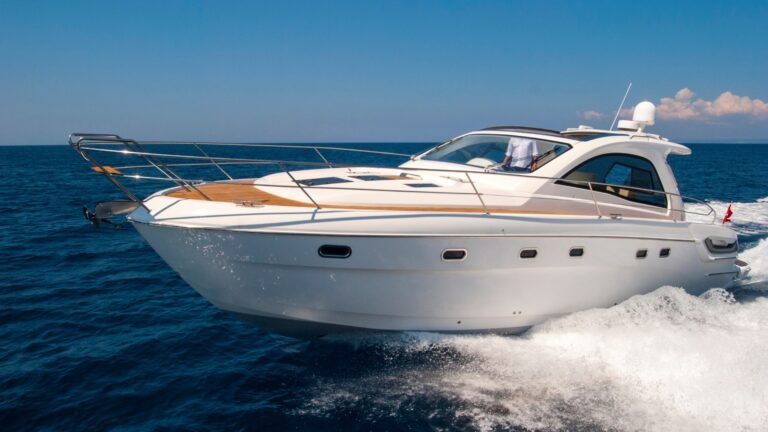
Motor yachts and flybridge boats sell to owners who want short hops between islands and a platform for entertaining rather than long passages under sail. Buyers here focus on the generator, the air conditioning, and the overall presentation of the interior, since these boats are bought as much for how they are used at anchor as for how they perform underway.
Larger yachts move more slowly, and the buyers who reach the point of a private viewing tend to have done their homework already. They arrive with finance arranged, a captain or surveyor briefed, and a clear idea of running costs. They check engine hours, service history, and flag and tax status closely, because at this size any oversight is expensive to correct later.
A boat sold in Greece changes hands on paper as well as on the water. The buyer wants three things in order: a clean bill of sale, evidence that the previous register has released her, and documentation of her VAT status within the EU. Most owners selling here keep the flag she already wears; a change of flag is a choice, not an obligation, and it is usually driven by the buyer's residence rather than by where the boat is lying.
Where a buyer does want the Greek flag, private pleasure craft are entered through the local port authority and the paperwork is straightforward once the deletion certificate from the old register is in hand. Private boats cruising Greek waters also carry the TEPAI cruising contribution, which is calculated on length and paid monthly or annually. We handle the sequence so the two sides are never waiting on each other, and we tell you before you sign which document is going to be slowest.
Zea Marina sits on the Attica coastline, immediately south east of Piraeus, itself the main port serving Athens. The marina opens directly onto the Saronic Gulf, giving straightforward access to open water without any need to work through harbour traffic first. From this position, the islands of the Saronic Gulf lie within a short passage, making the marina a natural starting point for cruising rather than a destination reached only after a long transit.
Athens itself is close by, so the marina sits within reach of the city while remaining a working harbour in its own right, distinct from the commercial port at Piraeus. For anyone arriving by air, Athens International Airport Eleftherios Venizelos, known by its code ATH, is roughly 40 minutes away, which keeps the logistics of a viewing or a handover straightforward for owners and buyers travelling from abroad. Taken together, the location places the marina within easy striking distance of both a major international airport and open cruising water, without depending on either being far from the other.
We charge 5% of the final sale price and it is payable only on completion. There is nothing to pay up front, no listing fee and no photography charge. If she does not sell, you owe us nothing at all.
No. She stays exactly where she lies at Zea Marina, Piraeus and buyers come to the pontoon. Moving a boat for a sale costs money, adds risk and rarely helps. Her own berth at Zea Marina is the best showroom she has.
A correctly priced boat at Zea Marina, Piraeus normally sells within three to six months, and most of that time is spent waiting for the right funded buyer rather than waiting for enquiries. Overpriced boats sit for a year or longer.
One named broker handles your boat from listing to handover. The same person answers the enquiry, qualifies the buyer, meets them at the berth at Zea Marina, Piraeus and runs the viewing. You are never passed around a call centre.
Proof of ownership, the registration document, the VAT status paperwork and invoices for any major works. Missing paperwork is the most common reason a sale collapses late. This is general information and not legal advice, so check your own position.
We look at recent completed sales of the same model, current asking prices, her condition, her hours and her equipment, then set a figure that attracts funded buyers rather than tyre kickers. A survey usually confirms that number rather than changing it.
Send us the make, model, year and berth number and we will come back with a realistic market figure, not a flattering one. Flat 5% commission on completion, no listing fee, no photography fee.
Value my boat+30 698 013 5656