Yacht Brokers Greece

Sell Your Boat Tinos

Sell her from her own berth at Tinos. One named broker, funded buyers only, private viewings by appointment. 5% on completion, nothing up front.

Request a valuationView yachts for sale

HomeYacht brokers Cyclades › Sell Your Boat Tinos

Sell your boat Tinos: the quickest route is to leave her exactly where she lies at Tinos and let the buyers come to the pontoon.

Tinos has no airport of its own, so anyone travelling to see the boat goes via Mykonos Airport (JMK), then a road transfer to the Mykonos ferry port, followed by a ferry crossing to Tinos. This routing shapes the sailing season in practice, which runs from April through October, since access depends as much on Mykonos flight schedules as on ferry timetables. Buyers and owners alike should plan around this before any viewing is arranged.

The commission is five per cent, payable on completion, with nothing asked for up front. One broker handles the sale from initial valuation through to final handover, so you have a single point of contact at every stage. Viewings are private, arranged strictly by appointment, and offered only to buyers whose funds have already been checked. There are no open days and no casual callers.

  • Tinos at Tinos, Cyclades: one named broker, private viewings at the berth, 5% payable only on completion and nothing up front.
  • The season at Tinos runs Apr-Oct in practice (access depends on Mykonos flights plus a ferry leg).
  • Tinos holds not published berths.
  • Tinos takes yachts of up to not published metres length overall.
  • The nearest airport for a buyer flying in to view her is Mykonos Airport (JMK).
  • Transfer from Mykonos Airport (JMK) to the berth at Tinos: Ferry required - Tinos has no airport; road transfer from JMK to Mykonos ferry port plus a Mykonos-Tinos ferry crossing.

Who Is Buying at Tinos Right Now

Greek owners trading up within the same marina tend to know the boat before they see it, sometimes because they have moored next to her for a season or two. They go straight to the engine hours and the service book, and they ask the berth-holder about mooring fees and any works planned for the pontoon. What sends them away is a gap in the paperwork trail or a survey that raises questions about osmosis, since they are usually financing part of the purchase and the bank wants a clean history.

Northern European buyers who want a boat already lying in Greece are buying convenience as much as the vessel itself. They check the flag, the VAT status, and whether the boat can be handed over with cruising permits in order, because the point is to fly in and be aboard within days. They walk away if the handover involves any delay, or if the boat needs to be moved to another island before they can take her, since that defeats the reason they chose Greece in the first place.

Charter operators are looking for hulls that already carry Greek commercial paperwork and hold a berth, because re-registering a boat for charter from scratch costs time they would rather not spend. They go through the charter licence and the layout first, counting cabins and heads against what the season demands. A boat without an existing licence, or one needing structural changes to meet charter cabin configurations, tends to be passed over even if the price looks attractive.

First time buyers moving up from something smaller inspect handling and sail area relative to what they are used to, and they lean heavily on the surveyor's report rather than their own judgement. They walk away when a boat feels larger than their confidence, regardless of condition.

Tinos runs its season from April to October in practice, since access depends on flights into Mykonos followed by a ferry crossing. Outside those months enquiries slow considerably, then pick up again from February as buyers plan ahead of the flight schedules resuming.
sell your boat Tinos: buyers viewing a yacht on the pontoon at Tinos
Private viewings happen at your own berth at Tinos.

Yacht Brokers Tinos

A valuation from us starts with completed sales, not with what other boats are asking on the portals. We look at what has actually changed hands in the last months, the type, the length, the year, and we set a figure against that evidence rather than against hope. An owner who prices from listing sites is usually pricing against boats that have not sold either.

Once you agree the figure, we arrange photography and video at the berth. This means you are not moving the boat, not meeting a photographer yourself, not editing anything afterwards. The images and footage are shot to show the boat as she is, ready for someone to view her without needing to imagine past clutter or poor light.

The listing itself is written to answer the questions a serious buyer would otherwise put to you directly by phone or email. Engine hours, service history, any known issues, ownership history, what is included and what is not. A buyer reading it should not need to ring you to ask something basic. That is our job, not yours.

From there the listing goes out to the international portals where buyers actually search, which is where yacht brokers Tinos earn their fee, by placing the boat in front of people who are already looking rather than waiting for local enquiries alone.

Every enquiry that comes in is filtered before it reaches you. We ask about funding and intent before anyone is given a private viewing. You are not fielding calls from people who are curious, or who have not yet worked out their budget. Only vetted buyers with confirmed funds get an appointment.

When an offer comes, we run the negotiation, arrange the survey, and manage the paperwork through to completion. You are not chasing a surveyor, not drafting a contract, not translating documents. That work sits with us, start to finish, on the five per cent commission, nothing paid up front.

Sell Your Boat Tinos: What She Is Actually Worth

The listings you find online for boats similar to yours, lying at Tinos or anywhere else in the Aegean, tell you what sellers hope to receive. They are not evidence of what a boat is worth. What matters is what boats of her type, age and condition have actually sold for, and that information sits with brokers who have handled those transactions, not on a search page.

Once you accept that starting point, the valuation becomes a question of specifics rather than the year stamped on her transom. Engine hours and service history carry real weight, as does the age of the rig, the sails and the canvas work. A tired suit of sails or a dodger that has seen ten summers of sun tells a buyer they are looking at near-term costs, and they will price that in whether you mention it or not.

The generation of the electronics matters in the same way. A chartplotter and instruments that are two systems out of date suggest a refit is coming, and buyers factor that into what they are prepared to offer. Whether a serviceable tender and outboard are included with her also moves the number, because their absence is simply another cost the buyer has to carry after completion.

Location and paperwork move the figure further still. A boat lying in Greek waters, with her paperwork clean and a berth already secured, is worth more to a buyer than an identical boat sitting ashore somewhere that requires transport, haul-out and re-registration before anyone can use her. That difference is not sentiment. It is cost and time, and buyers price both.

An asking price pitched too high does not simply fail to sell. It sits online accumulating views without offers, and every week that passes tells serious buyers that something is wrong with her, even when nothing is. She grows stale, the eventual offers come in lower than they would have done at a realistic price, and you end up selling later, and for less, than if you had priced her correctly from the outset.

Sell Your Boat Tinos: How We Actually Sell Her

It starts with a visit to the boat at her berth in Tinos. We look her over as she is, not as a brochure would have her, and give you an honest valuation based on her age, condition and what similar boats have actually made in this market.

From there we agree an asking price with you and put it in writing. A listing agreement sets out what we will do, what you can expect from us, and confirms the fee: five per cent, payable on completion, nothing payable up front.

Photography and video are shot at Tinos, at the berth, so the boat is presented as she is and where she is. This is not stock imagery or a generic set of shots borrowed from another vessel of the same model.

Once the material is ready the listing goes live and is pushed out to the international portals, alongside our own network of brokers and local agents. We are not tied to a dealer network. Every enquiry that comes in is filtered before it reaches you.

We do not offer a viewing to anyone who has not shown us that their funds are in place. Time-wasters are screened out at this stage, not later, at your boat.

Viewings that do proceed are private, by appointment, at the berth. There is no open event and no casual walk-through. When an offer comes in we handle the negotiation on your behalf, keeping you informed at each stage rather than presenting you with a fait accompli.

Once terms are agreed, survey and private viewing are arranged locally, giving the buyer the chance to satisfy themselves on the boat's condition and performance before anything is finalised. This protects you as much as it protects them.

Contracts are then signed and the deposit is held properly, through the correct channels, not informally between parties. Nothing about this stage is left to a handshake.

Completion follows: funds clear, deregistration is handled correctly, and handover takes place at the berth. You are kept informed throughout, from that first visit to the boat through to the moment she changes hands, and at no point before completion is any fee due from you.

What is your boat worth? Tell us six things.

A local broker replies with a realistic market figure, not a flattering one. No listing fee, no photography fee, flat 5% commission on completion.

We use these details only to value your boat and reply. No mailing list, no third parties. Prefer to talk? +30 698 013 5656.

Why Selling Her Yourself Is a Nightmare

Once you list a boat yourself, the enquiries start arriving and most of them go nowhere. You will hear from people who are curious, people who are pricing the market for a boat they already own, and people with no funds behind them at all. Sorting the genuine buyer from the rest takes time you probably do not have.

Every serious enquiry means opening the boat at Tinos, which means travel, and a morning or afternoon given over to someone who may never have intended to buy. Do that a handful of times and the cost in fuel, ferries and lost days starts to add up before any offer is on the table.

Buyers who deal directly with an owner also know you have no sold comparables to point to. Without a broker's view of what similar boats have actually made, you are negotiating on price with less information than the person sitting across from you, and it shows in the offers you receive.

Some owners take a deposit to feel secure, but a private deposit is only as safe as the account it sits in. Without a client account behind it, that money offers no real protection to either side. The same is true of the paperwork that follows a sale, transfer of title and deregistration are places where an unrepresented owner carries exposure that a broker would normally absorb.

Meanwhile the boat still costs money simply by existing. Berthing at Tinos, insurance, antifouling and routine servicing continue whether or not a buyer has been found, and none of that expenditure stops because the listing is taking longer than expected.

A boat that sits unsold through a whole season at Tinos costs her owner more than a five per cent commission would ever have done. The lost months, the running costs, and the weaker price agreed under pressure at the end all add up to a heavier bill than the fee you were trying to avoid.
Owner trying to sell a yacht privately at Tinos
Selling her yourself means fielding every timewaster in person.

Contract, Deposit and Handover

Once you have accepted an offer on your boat at Tinos, the sale and purchase agreement sets out the price, the boat's details, and the conditions that both sides must meet before the transaction completes. It is the document that turns a verbal understanding into something binding, and it should be drafted carefully rather than adapted loosely from a template.

The buyer's deposit is paid into a client account, not to you directly. This protects both parties: the money is held by a neutral party until the conditions of sale are satisfied, and neither side can access it unilaterally. It is standard practice and one of the reasons a proper broker is involved rather than a private arrangement between owner and buyer.

Most agreements are subject to survey and, where relevant, a private demonstration by appointment once the buyer has been vetted and funds confirmed. If the survey identifies defects, these are usually settled by a price adjustment, a repair before completion, or in some cases withdrawal from the sale. The agreement should state clearly how this negotiation is handled so there is no ambiguity later.

You will need to show clean title, meaning there is no outstanding finance or maritime lien against the boat, and evidence of her VAT status within the EU. The bill of sale is the document that formally transfers ownership once these checks are complete and funds have cleared.

Deregistration from the current flag and registration under the new owner's flag must be arranged, along with transfer of the berth or mooring agreement at Tinos, which the local harbour authority will require. Insurance changes hands on the day of completion, so the new policy should be arranged in advance and not left until the last moment.

This is general information only and does not constitute legal advice.

Sell Your Boat Tinos: When to List Her

Tinos works to a season that is Apr to Oct in practice, and that window is set as much by the transport links as by the weather. Access depends on flights into Mykonos and then a ferry leg across, so the island only really opens up once that connection is running at a useful frequency and closes down again once it thins out for winter. If you are thinking about listing her at Tinos, that access pattern is the first thing to build your timing around. Buyers start looking well before they can get there. Enquiries and viewings tend to pick up from around Easter, once people can picture themselves using the boat that same summer rather than waiting a year. Most want to take delivery in time to have the boat for the核心 of the season, so a listing that goes live in early spring gives you the best run at that buyer. She will also show at her best in photographs and at a private viewing during the settled middle months of the season, when the light is good and the anchorages nearby are populated with other boats rather than empty. A boat photographed and viewed in that window looks like she is already living the life a buyer wants to buy into. Once you move past the end of the season, interest drops away quickly. A boat that has not sold by then is likely to sit through the winter and pick up again the following spring, so it is worth being realistic about that cut-off rather than assuming a late listing will still find a buyer before Christmas. Summer conditions across the Cyclades are generally exposed, with a steady prevailing wind and a fetch that builds a short, sharp sea in open water between the islands. Anchorages can be rolly, and passages between them are rarely flat calm. That pushes buyers here towards boats with some solidity underfoot, decent stability at anchor, and a cockpit and deck layout that work when there is a bit of movement, rather than boats built purely for sheltered, glassy-water sailing.

Sell Your Boat Tinos: Survey, Refit and What to Fix

If you are keeping her at Tinos while you decide, start with the basics. A boat that is properly cleaned, inside and out, with the hull polished, photographs better and shows better in person. Buyers form an impression in the first few minutes on deck, and a boat that looks tired before they have even opened a locker puts them in the wrong frame of mind for everything that follows.

Tenders, covers and canvas matter more than owners expect. Cracked isinglass, mildewed sail covers and a tender that has not been touched in a year all say the same thing to a buyer: this boat has been neglected. None of this is expensive to put right, and it changes how the whole vessel is read.

Have the engines serviced and keep the paperwork. A logged service history, with dates and hours, does more to reassure a buyer than any amount of talk. Replace perished hoses, tired batteries and instruments that no longer work. A surveyor will list every one of these anyway, and it is cheaper and less awkward to deal with them yourself before he does, rather than have them turn up as findings that a buyer then uses to renegotiate.

Clear out personal belongings. Family photographs, clothing, the accumulated clutter of years aboard, all of it needs to go into storage before anyone views her. A buyer needs to see the boat, not the owner, and a boat that still feels lived in by someone else is harder to imagine as your own.

Where owners lose money is on the larger, more visible projects. A full repaint rarely returns what it costs, and the same is true of a new electronics suite. Buyers do not pay pound for pound for either, so unless the existing paint or electronics are genuinely failing, that money is better left unspent.

On an older boat, a pre listing survey is worth commissioning. It puts the condition of the boat on the table before an offer is made, rather than after, and it removes the kind of surprise that derails a sale once a buyer has already committed emotionally and financially to the idea of owning her.
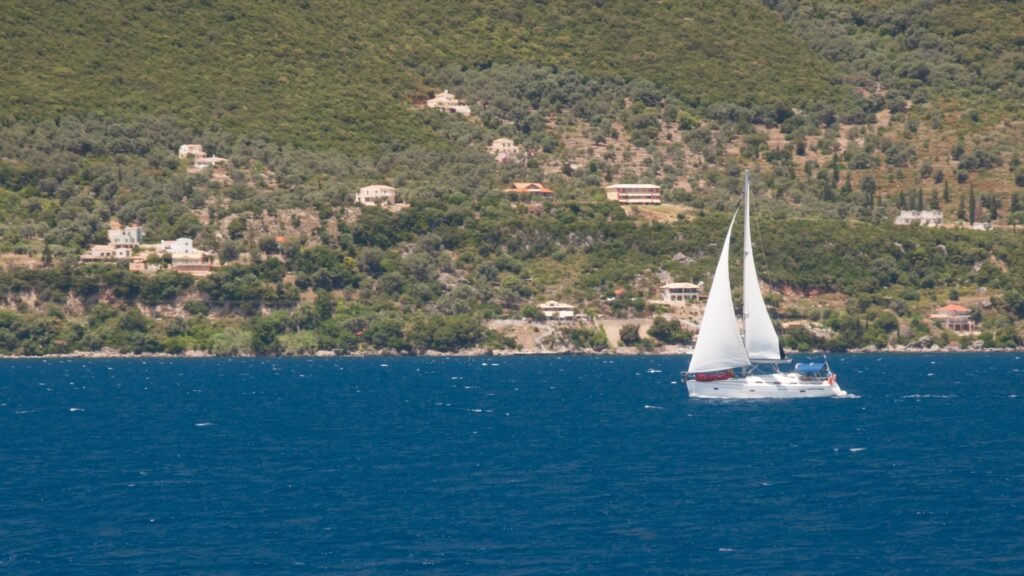
Yacht hauled out for survey and antifoul near Tinos
A survey and a tidy antifoul pay for themselves at the negotiation.

Tinos in Detail

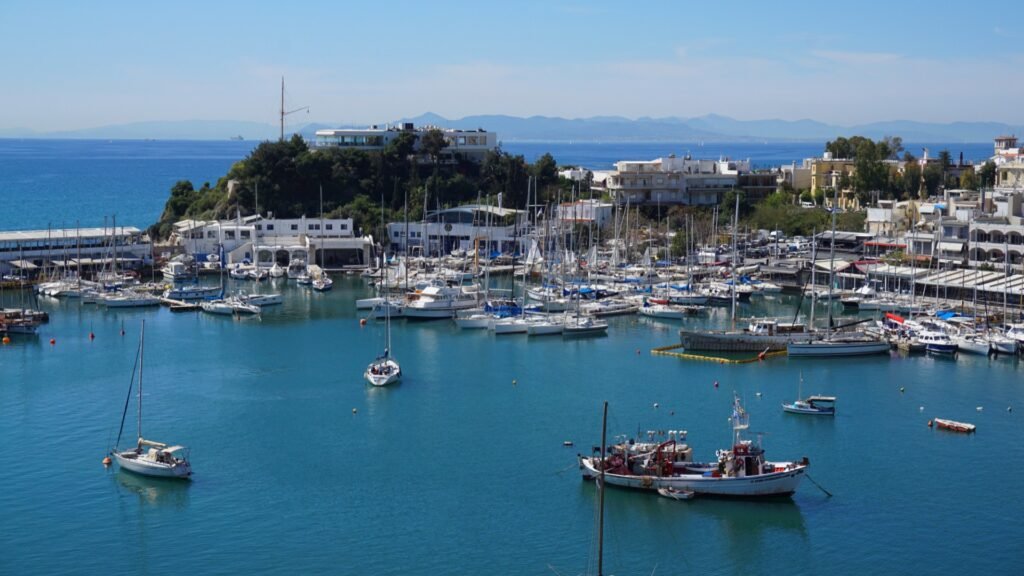
Tinos sits quietly compared with its more photographed neighbours, and that suits a boat kept there rather than shown off there. The harbour itself is straightforward, a working stretch of quay rather than a marina complex, and it does the job without fuss. You will not find published figures for berths, maximum length, alongside depth or lifting capacity here, and rather than guess at any of them we simply tell you what is known: it is a harbour, and the rest depends on what the local operator has available when you ask.

Access is the point worth understanding before anything else. There is no direct flight to Tinos, so the practical route is a flight into Mykonos followed by a ferry leg across. That works well enough for most of the year, but the season in practice runs from April to October, shaped as much by ferry timetables and flight schedules as by weather. Outside that window, getting a viewing party to the boat becomes harder than it needs to be, and we plan around that rather than against it.

Walk the quay at Tinos and you see a harbour that still belongs to islanders first, with local fishing boats, inter-island ferries and a modest run of leisure craft sharing the same stretch of water. It has none of the polish of the bigger Cycladic marinas, and that is not a criticism. A boat lying here looks like it belongs to someone who uses her, not someone who parks her.

For a seller, the island itself is small enough that word travels fast among the tradespeople who matter, riggers, engineers, and antifouling crews who cover Tinos as part of a wider Cycladic circuit rather than sitting on the island full time. Nothing is on your doorstep in the way it might be in Athens, but nothing is far either, once you account for the ferry.

The advantage of a boat lying at Tinos is precisely its lack of drama. Viewings are arranged by appointment, after we have vetted the buyer and confirmed funds, and the quiet setting means nobody is competing for attention with fifty other yachts on the same pontoon. Buyers who make the journey out here have usually already done their homework, and a calm harbour with an honest, working character tends to close that final piece of their decision rather than complicate it.
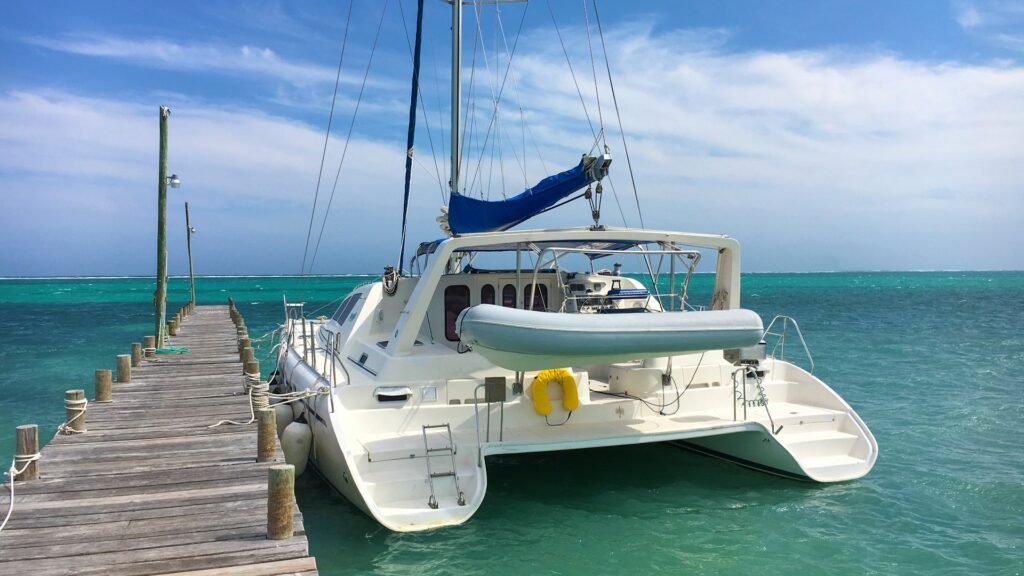
Berths and pontoons at Tinos, Tinos
Tinos at Tinos, Cyclades.

Tinos: official website

Berthing, Beam and Draft at Tinos

Tinos is not a marina in the manner of some of the larger Cycladic hubs, and the practicalities of berthing there matter to anyone thinking about a sale. The port authority and any harbour operator do not publish figures for total berths, maximum length overall, alongside depth or travel lift capacity, and haul out details are not published either. That absence of published data is itself worth noting to a buyer, because it means berthing arrangements at Tinos are settled locally, by conversation and by custom, rather than by a fixed tariff sheet.

This is exactly why your own boats length overall, beam and draft decide so much. A berth that suits her dimensions today may not suit a larger or beamier boat tomorrow, and a prospective buyer with a boat of different proportions cannot simply assume they will be accommodated in the same spot. Draft in particular determines which quays and which stretches of the harbour are usable at all states of tide and swell. Buyers searching for a boat they can keep at Tinos need to know she will actually fit, not just that she once did.

A berth that transfers with the vessel is a genuine asset in Greece, where good berthing is scarce and often allocated by relationship rather than by right. If your arrangement can pass to a new owner, say so plainly and say what it consists of, because this can shorten a buyers search considerably and make your boat noticeably more attractive than an equivalent one without a home.

Before you list her, check exactly what you hold. Establish whether your berth or mooring is a formal, transferable agreement, a personal arrangement with the harbour authority or a local operator, or simply informal usage that ends when you sell. Confirm who has the right to reassign it, whether any fee or renewal is due, and whether that right is written down anywhere. A buyer will ask, and a clear answer settles the matter quickly. We charge five per cent commission on completion, nothing upfront, and every viewing is arranged privately, by appointment, once a buyer has been vetted and their funds confirmed.

DetailValue
Berths at Tinosnot published
Maximum length overall acceptednot published m
Alongside depthnot published m
Travel lift capacitynot published tonnes
Haul out and craningnot published
SeasonApr-Oct in practice (access depends on Mykonos flights plus a ferry leg)
Nearest airportMykonos Airport (JMK)
Transfer to the berthFerry required - Tinos has no airport; road transfer from JMK to Mykonos ferry port plus a Mykonos-Tinos ferry crossing
Brokerage fee5% of the sale price, payable on completion

Hellenic Coast Guard: local port authorities

Getting Buyers to the Boat: Flights, Ferries and Transfers

Your boat lies at Tinos, and getting a buyer there takes a little more planning than a marina with its own runway. The nearest airport is Mykonos Airport, JMK. From there, a ferry is required, since Tinos has no airport of its own: a road transfer from JMK to the Mykonos ferry port, followed by a Mykonos-Tinos ferry crossing. We do not quote flight times or ferry schedules, because those change with the season and the operator, but we build the viewing day around whatever crossing the buyer can make.

None of this is arranged on the day. The appointment is agreed in advance, once a buyer has been vetted and their funds confirmed, and the boat is prepared to match. She is opened up, powered on, and ready before anyone sets foot on the pontoon, not shut up and airless the way a boat left unattended for weeks tends to be. One named broker attends, someone who knows the specification rather than a local agent reading from a printout, and that broker stays with the buyer for the full viewing rather than watching the clock for the next one.

A buyer who has flown into Mykonos and taken a ferry to Tinos has usually not come for one boat alone. Most are seeing two or three in the same trip, often on different islands, because the cost and time of getting out to Greece only makes sense if the visit covers several options. That has a direct effect on how your boat needs to present. If she is the second viewing of the day and the buyer has just come from a boat that was clean, aired, and ready to start, a damp cabin or a flat battery will be remembered long after the specification sheet is forgotten. We treat every appointment as though it were the only one that day, because for the buyer stepping aboard, it effectively is.
Buyer arriving at Mykonos Airport (JMK) to view a yacht at Tinos
Most buyers fly into Mykonos Airport (JMK) and reach the berth the same day.

Mykonos Airport (JMK): official website

The Range Selling Around Tinos

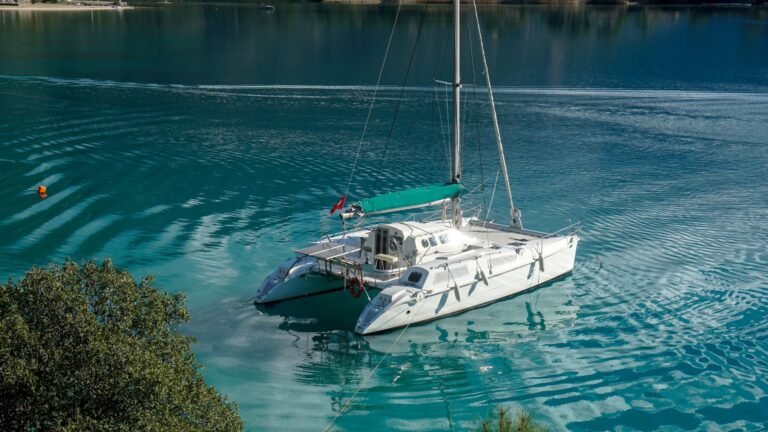
The volume market around Tinos and across the Cyclades sits in the ten to sixteen metre range of cruising monohulls. These are the boats that move most often and most predictably, bought by owners who want a boat they can sail themselves for a few weeks a year and leave with a local agent the rest of the time. Buyers here check engine hours, standing rigging age, and whether the antifouling and osmosis history are documented rather than assumed.

Sailing catamarans hold their value better than most other categories in this region, and the buyers reflect that. Private owners want the space and the stability for family cruising among the islands, while charter operators are looking at the same boats as fleet additions. Both groups check the same things: charter history if there is one, the condition of the rigging and sail inventory, and how the boat has been maintained between seasons rather than how it looks in photographs.

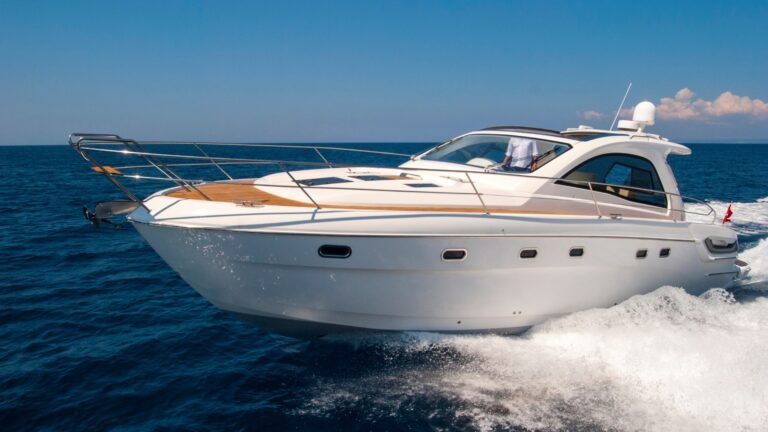
Motor yachts and flybridge boats are bought for a different pattern of use. Owners want something for short hops between anchorages and for entertaining at anchor, not for long passages, so range and fuel burn matter less than deck layout, tender storage, and how the boat handles a crowded mooring. Engine hours and service records get closer attention here, since these boats tend to be run harder over fewer, more concentrated days.

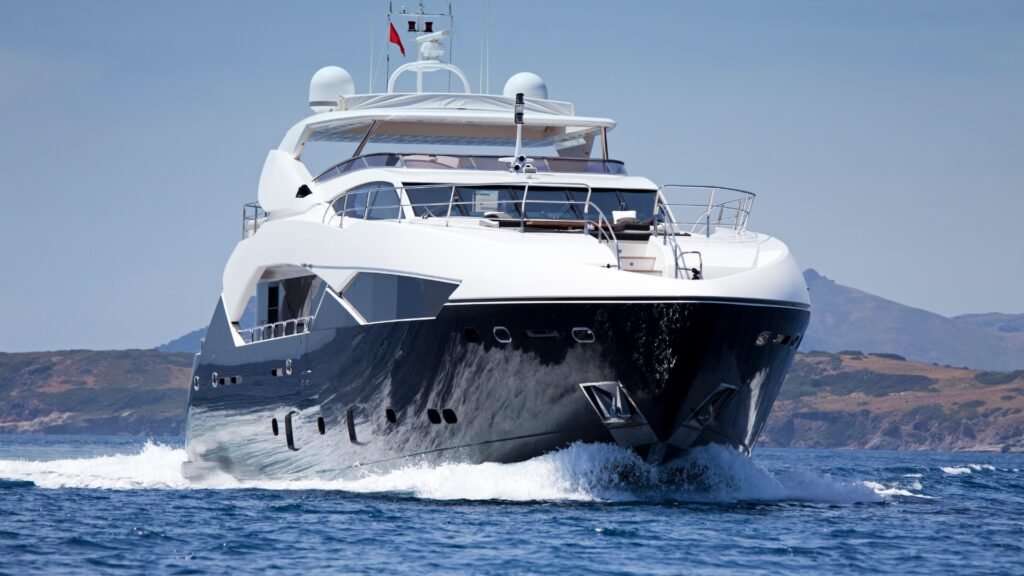
Larger yachts sell more slowly in this market, and the buyers who eventually complete are the ones who arrive already prepared. They come with finance arranged, a surveyor booked, and a clear idea of running costs before they ever ask for a viewing. What they check goes beyond the boat itself: crew arrangements, berthing history, and whether the paperwork and flag registration are in order, since any gap there will stall a deal at exactly the point they are ready to move.

Across all four categories, the pattern is consistent. Buyers are shown a boat at a private viewing by appointment, and only once they have been vetted and their funds confirmed. Serious interest in this market is quiet, specific, and comes with the paperwork already in hand.
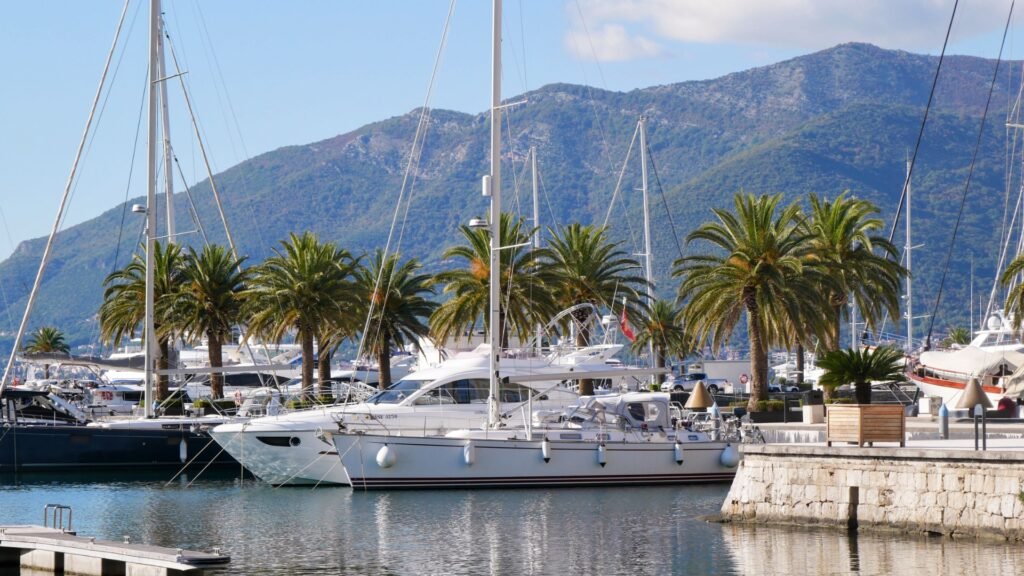
The range of yachts for sale around Tinos
What is actually selling around Tinos right now.

Where this page sits

Registering a Boat in Greece

A boat sold in Greece changes hands on paper as well as on the water. The buyer wants three things in order: a clean bill of sale, evidence that the previous register has released her, and documentation of her VAT status within the EU. Most owners selling here keep the flag she already wears; a change of flag is a choice, not an obligation, and it is usually driven by the buyer's residence rather than by where the boat is lying.

Where a buyer does want the Greek flag, private pleasure craft are entered through the local port authority and the paperwork is straightforward once the deletion certificate from the old register is in hand. Private boats cruising Greek waters also carry the TEPAI cruising contribution, which is calculated on length and paid monthly or annually. We handle the sequence so the two sides are never waiting on each other, and we tell you before you sign which document is going to be slowest.

Tinos: Location and Fast Facts

Tinos lies within the Cyclades, the island group scattered across the central Aegean, and opens directly onto the sea that links it to its neighbours in that chain, most notably Mykonos, which sits close by and forms the usual gateway for visitors and vessels alike. The island shares this stretch of open water with the wider archipelago, making it a natural point of call for those moving through the Cyclades rather than a remote outlier. There is no airport on Tinos itself, so the practical route in is by air to Mykonos Airport, known by its code JMK, followed by a road transfer to the Mykonos ferry port and then a ferry crossing over to Tinos. This means access is straightforward but requires a little forward planning, since the final leg depends on ferry schedules rather than a direct flight. For anyone unfamiliar with the region, it is worth understanding Tinos not as an isolated destination but as one island among many, positioned within easy reach of Mykonos and connected to the broader pattern of Cycladic sea routes that define how people and boats move through these waters.

Boats For Sale Through Our Tinos Office

Every listing below is handled by the same brokers who take on the boats owners bring us here: one named broker, full specification, professional photography and private viewings by appointment only.
Azimut 78 Fly for sale 2011 — AOP

Azimut 78 Fly for sale 2011 — AOP

2011 · 24.5 m · Porto Carras Marina, Sithonia

EUR 1,800,000

Hallberg-Rassy 53 for sale 2002 — LA PEROUSE

Hallberg-Rassy 53 for sale 2002 — LA PEROUSE

2002 · 16.44 m · Leros

EUR 489,000

Lagoon 46 for sale 2020

Lagoon 46 for sale 2020

2020 · 13.99 m · Olbia

EUR 489,000

Sunseeker Manhattan 66 for sale 2019 — BRIGHT 7

Sunseeker Manhattan 66 for sale 2019 — BRIGHT 7

2019 · 20.8 m · Bodrum

EUR 1,650,000

See every yacht for sale through Yacht Brokers Greece

Sell Your Boat Tinos: Frequently Asked Questions

What does it cost to sell my boat at Tinos?

We charge 5% of the final sale price and it is payable only on completion. There is nothing to pay up front, no listing fee and no photography charge. If she does not sell, you owe us nothing at all.

Do I have to move the boat to sell her?

No. She stays exactly where she lies at Tinos and buyers come to the pontoon. Moving a boat for a sale costs money, adds risk and rarely helps. Her own berth at Tinos is the best showroom she has.

How long does it usually take to sell?

A correctly priced boat at Tinos normally sells within three to six months, and most of that time is spent waiting for the right funded buyer rather than waiting for enquiries. Overpriced boats sit for a year or longer.

Who actually shows the boat to buyers?

One named broker handles your boat from listing to handover. The same person answers the enquiry, qualifies the buyer, meets them at the berth at Tinos and runs the viewing. You are never passed around a call centre.

What paperwork do I need before listing her?

Proof of ownership, the registration document, the VAT status paperwork and invoices for any major works. Missing paperwork is the most common reason a sale collapses late. This is general information and not legal advice, so check your own position.

How do you decide what she is worth?

We look at recent completed sales of the same model, current asking prices, her condition, her hours and her equipment, then set a figure that attracts funded buyers rather than tyre kickers. A survey usually confirms that number rather than changing it.

Sell Your Boat Tinos: Request a Free Valuation

Send us the make, model, year and berth number and we will come back with a realistic market figure, not a flattering one. Flat 5% commission on completion, no listing fee, no photography fee.

Value my boat+30 698 013 5656