Sell her from her own berth at Heraklion Marina, Crete. One named broker, funded buyers only, private viewings by appointment. 5% on completion, nothing up front.
Request a valuationView yachts for saleHome › Yacht brokers Crete › Sell Your Boat Heraklion
Sell your boat Heraklion: the quickest route is to leave her exactly where she lies at Heraklion Marina, Crete and let the buyers come to the pontoon.
Heraklion Marina, on the north coast of Crete, offers around 200 berths and runs a year-round season, so a listing here is not tied to the usual April to October window. The marina sits close to Heraklion Nikos Kazantzakis Airport, giving buyers a straightforward route in for a private viewing. For an owner deciding whether to sell, that steady year-round footfall matters as much as any figure on a brochure.
Selling through us costs five per cent, payable on completion, with nothing due upfront and nothing owed if the boat does not sell. One broker is assigned to your yacht from the initial valuation through to handover, so you deal with a single point of contact throughout rather than being passed between departments. Viewings are arranged privately, by appointment only, and are limited to buyers whose funds have already been checked, so your time is not spent on lookers.
At Heraklion Marina right now, four distinct types of buyer are circling the same stretch of pontoon, and each one looks for something different before they commit.
Greek owners trading up within the marina know the berth, the marina office and often the boat itself by reputation. They go straight to the engine log and the service file, and they ask who did the last haul-out. What sends them walking is a gap in the paperwork or engine hours that do not match the story they have been told locally, because they will hear about it from someone else within the week regardless.
Northern European buyers who want a boat already lying in Greece are after something they can fly out to and be aboard within days. They check the flag registration, the current berth agreement and whether the boat is genuinely ready to leave the pontoon, not just afloat. If there is deck work outstanding or the berth does not transfer cleanly with the sale, they lose interest fast, because the whole point for them is immediacy.
Charter operators are hunting for hulls that already carry Greek commercial paperwork and hold a berth, since starting that process from scratch costs time they would rather not spend. They inspect the licensing first, then the cabin layout and guest-facing condition. A boat with no charter history or a layout that will not suit paying guests gets crossed off quickly.
First-time buyers stepping up from something smaller focus on how the boat handles and how much system complexity they are taking on. They walk away from anything that feels like it needs a professional crew to run day to day.
Because the season at Heraklion Marina runs year-round, enquiries do not bunch up around a single spring rush the way they might elsewhere. Viewings and offers come through steadily across the calendar, which gives sellers a longer window to find the right buyer rather than a short one to catch the market.
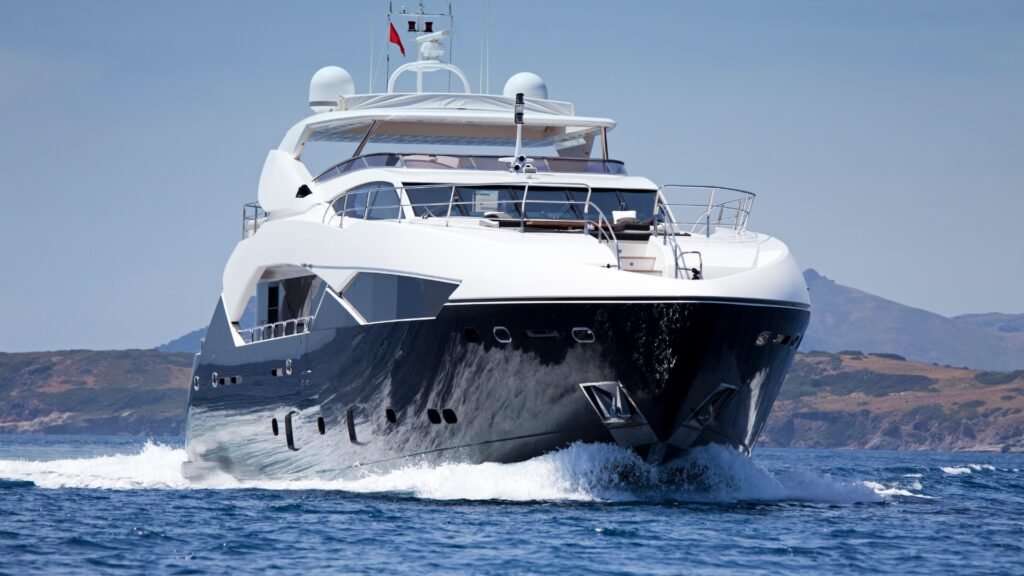
Start with the valuation. Rather than looking at what other boats are asking on the portals, the work begins with what has actually sold in Heraklion and along the Cretan coast in recent months. Asking prices tell you what an owner hopes for. Completed sales tell you what a buyer will actually pay, and that is the figure your price needs to be built on.
Once the price is set, the boat is photographed and filmed at the berth, not staged in a studio or lifted somewhere for effect. Buyers are looking at your boat as she sits, and the images need to show her honestly and well, in good light, with the clutter of daily life cleared away.
The listing itself is written to answer the questions a buyer would otherwise raise one by one over email. Engine hours, service history, recent works, ground tackle, tender, electronics, all set out plainly so a serious buyer can make a decision without a dozen back-and-forth messages.
From there the listing goes out to the international portals, giving her visibility well beyond anyone who happens to walk the marina. This is the point where yacht brokers Heraklion earn their fee, because reach without filtering just produces noise. Every enquiry is qualified before anyone sets foot on your boat. Time-wasters and browsers are screened out; only buyers who have been vetted and can show their funds are given a private viewing by appointment.
You stop fielding calls at odd hours, stop repeating the same answers to different strangers, and stop showing the boat to people who were never going to buy her.
Once a serious offer is on the table, the negotiation, survey and paperwork are handled through to completion, keeping the process moving and dealing with the practical snags as they arise. You are kept informed at each stage, without having to manage any of it yourself. The fee is five per cent, payable on completion, with nothing to pay upfront.
Every owner who asks us about value starts by quoting a figure they found online, usually from a listing for a similar boat lying somewhere else. That figure tells you what someone hopes to get, not what anyone has paid. An asking price is a statement of intent. An achieved sale price is evidence, and it is the only evidence that matters when we sit down to work out what your boat is actually worth.
The year on the transom is a starting point, nothing more. What moves the number is the condition a surveyor would find if he stepped aboard tomorrow: engine hours and how they were accumulated, the age of the standing rigging, the state of the sails and the canvas work, whether the electronics are a recent generation or something a buyer will need to replace within a season of owning her. A serviceable tender and outboard that come with the sale add real value, because the alternative is a buyer pricing in the cost and hassle of sourcing his own.
Location counts for more than most owners expect. A boat lying at Heraklion Marina, with her paperwork in order and a berth already secured, is worth more to a buyer than an identical boat sitting ashore in a yard he has to fly to, inspect, and then arrange to have moved. Clean paperwork and a confirmed berth remove friction. Buyers pay for the absence of friction.
Setting the asking price too high does not protect your position, it erodes it. A boat that sits unsold for months starts to look as though something is wrong with her, whether or not anything is. Serious buyers track how long a listing has been live, and a stale listing invites lower offers than a fresh one priced correctly from the start. The owners who achieve the best outcome are the ones who price against recent completed sales, not against what a neighbouring boat is hoping for, and who let the boat's condition and her position in Greece do the work of justifying the number.
Everything starts with a visit to the boat, in her own berth at Heraklion Marina. A broker looks her over as she sits in the water, checks the systems that matter, and gives you a valuation based on what similar boats are actually selling for, not what you hope she is worth. This is the point where you decide whether the figure works for you.
If it does, you agree an asking price and sign a written listing agreement. This sets out the terms clearly, including the fee, which is five per cent payable on completion. Nothing is payable up front.
Photography and video are shot at Heraklion Marina itself, showing the boat as she is, in her own berth, in her own light. The listing then goes live and is pushed out to the international portals where serious buyers actually look.
Enquiries come in and are filtered before anyone gets near the boat. Anyone asking for a private viewing has to show that funds are in place first. Only then is an appointment arranged, at the berth, by prior agreement.
When a genuine buyer views her, questions get asked and answered honestly. If there is interest, an offer follows and there is usually some negotiation before both sides settle on a figure. This is normal and expected, and a broker handles it so you are not doing it directly with the buyer.
Once terms are agreed, a survey is arranged locally, along with the on-water assessment that follows it. Any issues raised are dealt with at this stage, before anything is signed. When both sides are satisfied, contracts are signed and the deposit is held properly, through the correct channels, not informally between buyer and seller.
From there it moves to completion. The boat is deregistered from her current flag, ownership is transferred, and handover takes place at the berth in Heraklion. Keys, documents and manuals pass to the new owner, and the process closes with the same lack of fuss it began with.
A local broker replies with a realistic market figure, not a flattering one. No listing fee, no photography fee, flat 5% commission on completion.
We use these details only to value your boat and reply. No mailing list, no third parties. Prefer to talk? +30 698 013 5656.
You list her yourself and the enquiries start coming in, and most of them go nowhere. A good number are simply not funded, and you will not know that until you have exchanged several emails and arranged a time to meet. Sorting the serious from the curious takes longer than you expect, and it does not get easier as the weeks go on.
Every viewing at Heraklion means opening her up, running the systems, and giving up a morning or an afternoon, sometimes travelling down to the marina for someone who was never in a position to buy. You do this once or twice without complaint. By the fifth or sixth time it has become a cost, in fuel, in time off, in wear on your patience.
When you do find a buyer, you are negotiating alone. You have no sold comparables to point to, no record of what similar boats have actually made, so the conversation tends to move in one direction. Buyers who know this will hold their offer down, because they know you have nothing to argue back with.
Deposits taken privately are rarely held in any client account, which leaves both sides exposed if the deal falls through. The paperwork for transfer of title and deregistration carries its own risk if it is not handled correctly, and mistakes there can cost far more to put right than they would have cost to do properly the first time.
Meanwhile she sits at Heraklion Marina and the costs continue regardless of whether a buyer appears: berthing, insurance, antifouling, servicing. None of that pauses while you wait for the right offer.
A boat that goes unsold through a full season generally costs her owner more in these accumulated costs, in time, and in the discount eventually accepted, than a five per cent commission would ever have done. The fee is paid once, on completion, and only if the sale completes.
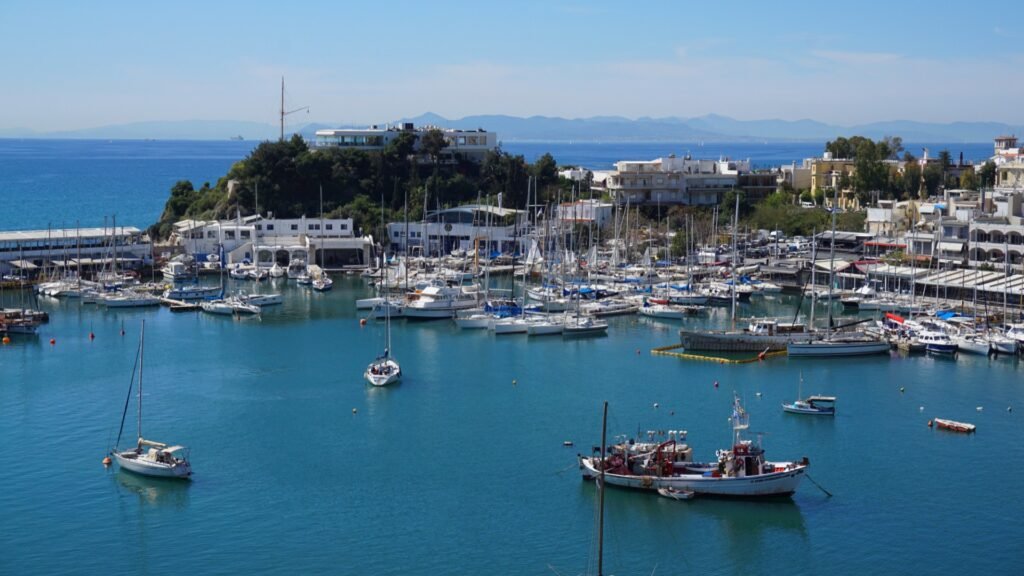
When you sell a boat at Heraklion Marina, the process runs on a small set of documents and a clear separation of money at each stage. It starts with a sale and purchase agreement, which sets out the price, the boat's details, and the conditions both sides must meet before the sale completes.
A deposit is paid once the agreement is signed, and it belongs in a client account held by the broker, not in your hands or the buyer's. This protects both parties: the money is ring-fenced until the conditions of sale are satisfied, and neither side can draw on it early.
The agreement is usually made subject to survey and to a private viewing, so the buyer can confirm the boat's condition and performance before committing. If the surveyor or the private viewing turns up defects, the two sides agree how to settle them, whether that means a price adjustment, repairs before handover, or an allowance set against the completion figure.
Before completion, you will need to show clean title, confirming there is no outstanding finance or claim against the boat, along with evidence of her VAT status within the EU. These documents give the buyer certainty that what they are paying for is free of encumbrance and correctly accounted for under EU rules.
The bill of sale is the document that formally transfers ownership, and it sits alongside deregistration from the current flag and registration under the new one. At the same time, the berth or mooring agreement at Heraklion Marina is transferred into the buyer's name, so there is no gap in her right to lie there.
Insurance changes hands on the day of completion, with the buyer's policy taking effect as yours ends, so the boat is never left uninsured, even for an hour.
This is general information only, not legal advice.
Heraklion Marina operates year-round, and that fact changes how you should think about timing. It does not mean buyers are equally active in every month, but it does mean the marina itself is not shutting down for a winter lay-up in the way some smaller Greek harbours do. Crete stays accessible to brokers, surveyors and buyers throughout the year, which gives you more flexibility than a seasonal berth would. In practice, serious enquiries tend to build from late winter into spring, as buyers who plan to cruise that same year start looking in earnest. Many want to take delivery in time for the early summer, so a boat that is ready to view and ready to hand over by then is in a stronger position. Leave the listing until midsummer and you are competing with a fuller market and a shorter window before buyers lose interest in a purchase they cannot use until the following year. Photographs and any private viewing also benefit from being arranged before the height of summer. Light is good, the marina is active without being overwhelmed, and a boat generally presents better against calmer water and clearer skies than it does later in the season when haze and heat can flatten the same images. Once fully into autumn, decision-making slows. Buyers who have not committed by then often wait, and a boat listed late in the year is likely to sit until interest picks up again the following spring. Summer in Crete brings the meltemi, the seasonal wind that builds through the Aegean, along with long dry spells and reliably warm water. These conditions favour boats built for open-water passage-making and steady breeze rather than craft designed purely for sheltered, flat-calm cruising. A yacht that handles a breeze-on afternoon competently, with good stability and manageable motion, tends to hold more appeal here than one suited only to gentler waters, and that is worth bearing in mind when you decide how to present her.
Start with the boat as it sits in the berth at Heraklion Marina, because that is how the first buyer will see her. A deep clean, inside and out, plus a polished hull, costs little against the price of the boat and changes the impression completely. Buyers walk down the pontoon before they walk down the companionway, and a hull with algae or oxidation tells them the rest of the story before they have seen a single cabin.
Tenders, covers and canvas matter more than owners expect. Torn sail covers or a tender left deflated on the pushpit signal neglect, whether or not the engines have been serviced properly. Have them cleaned or replaced where needed, and stowed as if you were about to go out yourself.
Servicing the engines is worth doing properly, and worth doing with paperwork to show for it. A folder of invoices and service records answers questions before a buyer has to ask them, and it carries weight with a surveyor too. Alongside that, replace perished hoses, tired batteries and any instruments that no longer work. A surveyor will list these anyway, and it is cheaper and calmer to deal with them yourself than to have them appear as findings after an offer has been made.
Clear out personal belongings. Family photographs, clothing, half-used charts and years of accumulated gear make it harder for a buyer to see the boat rather than the life that has been lived aboard her. An empty locker photographs and shows better than a full one.
A full repaint or a new suite of electronics rarely returns its cost. These are expensive works that buyers rarely value at what they cost to fit, so they belong in the price you set, not in money spent beforehand.
On an older boat, a pre-listing survey is worth commissioning. It puts the facts on the table early, and it removes the kind of surprise that kills a deal after the offer has been accepted, when both sides have already committed time and expectation to the sale.
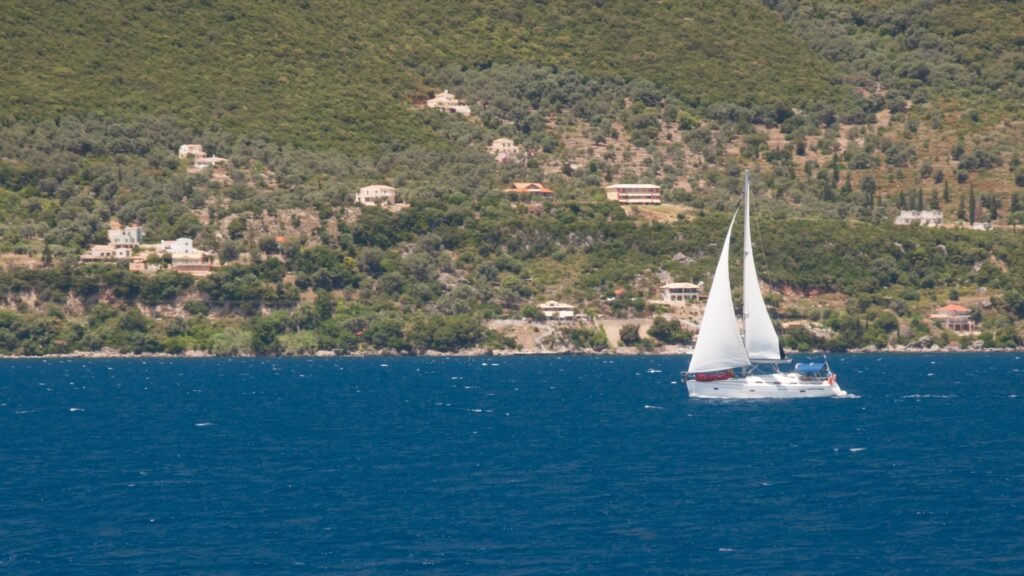
Heraklion Marina sits inside the port at Heraklion, on the north coast of Crete, and it keeps your boat in a working harbour rather than a resort backwater. The marina runs to around two hundred berths, which keeps it large enough to have a genuine turnover of owners, brokers and local agents, yet small enough that the harbour master and the boatyard crews know every boat by name. That familiarity matters when you come to sell, because a boat with a known history and a known berth attracts fewer questions. The marina operates year-round, so a viewing can be arranged in January as readily as in July. That matters if you are marketing your boat rather than simply enjoying her, because a buyer with confirmed funds does not always work to the summer calendar. Haul out and craning are available on site, with two boatyards, known locally as karnagia, operating within the port land zone. That means routine lift outs, antifouling, rig work and minor repairs can be arranged without moving the boat elsewhere, which keeps her presentable and keeps costs and logistics simple for whoever owns her at the time. Walking the pontoons here, a buyer sees a working Cretan harbour rather than a manicured display marina. There are motor yachts and sailing boats moored alongside local fishing craft and day boats, with Heraklion town and its old Venetian harbour visible beyond the breakwater. The setting is unpretentious, and that suits buyers who want a boat, not a stage set. Around the marina you will find riggers, engineers, sail lofts and chandlers used to working on boats of every size and age, along with provisioning and fuel close at hand. For a seller, that density of trades means any snagging item raised at a viewing can usually be dealt with quickly and locally, without shipping parts from Athens or further afield. A boat lying at Heraklion is easy to show because the marina is beside the town, with an airport nearby and ferry connections along the coast, so a serious buyer can be brought to see her without a long transfer. Viewings are arranged privately, by appointment, once a buyer has been vetted and their funds confirmed. If you decide to sell through us, our commission is five per cent, payable on completion, with nothing asked for upfront.
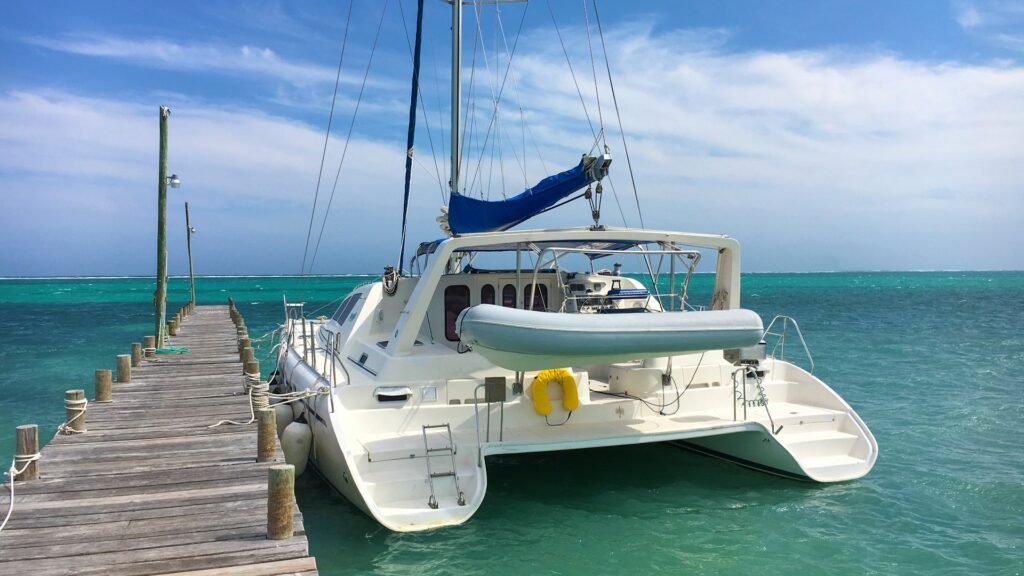
Heraklion Marina runs to about 200 berths, which puts it among the larger working marinas on Crete rather than a small private harbour. That scale matters when you come to sell, because it means the marina has a genuine mix of berth sizes and a track record of turning boats around. It is not a place where your yacht sits as an anomaly against a handful of smaller craft.
The marina does not publish a maximum length overall or an alongside depth figure, so those numbers cannot be quoted to a buyer with any certainty. What can be said is that berth allocation anywhere in Greece is governed by the boat's own length overall, beam and draft, and Heraklion is no exception. A buyer looking at your yacht is really asking whether the marina has a berth that suits her dimensions, not whether the marina is suitable in general terms.
This is why the pool of realistic buyers for a boat here is narrower than it might first appear. A yacht with a wide beam or a deep draft needs the marina to have a berth configuration that can take her, and that is a question for the marina office, not for us to guess at. It is worth having that conversation before you list, so we can tell interested buyers something concrete rather than leaving them to find out later.
If your berth agreement transfers with the boat, say so plainly in the listing. In Greece, a transferable berth at an established marina is a real asset, because new berths are not always straightforward to obtain and waiting lists exist in places. A buyer who can secure the same berth on completion is buying certainty as well as a boat, and that has value.
Before you list, check the exact terms of your own agreement. Confirm whether it is transferable at all, whether the marina's consent is required, whether there are fees due on transfer, and how long the agreement has left to run. Haul out is available here, with two boatyards operating inside the port land zone, so it is also worth checking whether your agreement gives you any standing arrangement with either yard, since that too can matter to a buyer.
| Detail | Value |
|---|---|
| Berths at Heraklion Marina, Crete | about 200 |
| Maximum length overall accepted | not published m |
| Alongside depth | not published m |
| Travel lift capacity | not published tonnes |
| Haul out and craning | Yes - two boatyards (karnagia) operating inside the port land zone |
| Season | Year-round |
| Nearest airport | Heraklion Nikos Kazantzakis Airport (HER) |
| Transfer to the berth | |
| Brokerage fee | 5% of the sale price, payable on completion |
Your boat lies at Heraklion Marina, on Crete. The nearest airport is Heraklion Nikos Kazantzakis Airport (HER), which most buyers travelling from abroad will use to reach the island. Getting a serious buyer from that airport to the marina and back is a logistical detail we handle directly, so you do not need to think about it.
When we bring a buyer to see her, the viewing is arranged by appointment, agreed in advance with you and with the buyer. We do not turn up unannounced and we do not let anyone wander the pontoon on spec. Funds are confirmed and the buyer is vetted before a date is set.
On the day, the boat is opened, powered and ready rather than shut up and cold. Systems are live, hatches are open, and she is presented as she would be used, not as she has been sitting. A named broker who knows the specification is present throughout, so questions get answered on the spot rather than followed up later by email.
The buyer gets proper time on board without a queue of other viewings pressing behind them. That matters more than it sounds. A rushed twenty minutes tells a buyer nothing useful about a boat they may be about to spend a significant sum on.
Buyers who have flown in for this rarely come to see one boat. Most trips are built around seeing two or three, sometimes across different marinas on the same island or nearby. That is simply the economics of the flight and the time they have taken away from work. It means your boat is very often being compared directly, on the same day, against something else the buyer has just walked off. She needs to be ready to stand up to that comparison the moment they step aboard, not the following morning once someone has had time to tidy her.
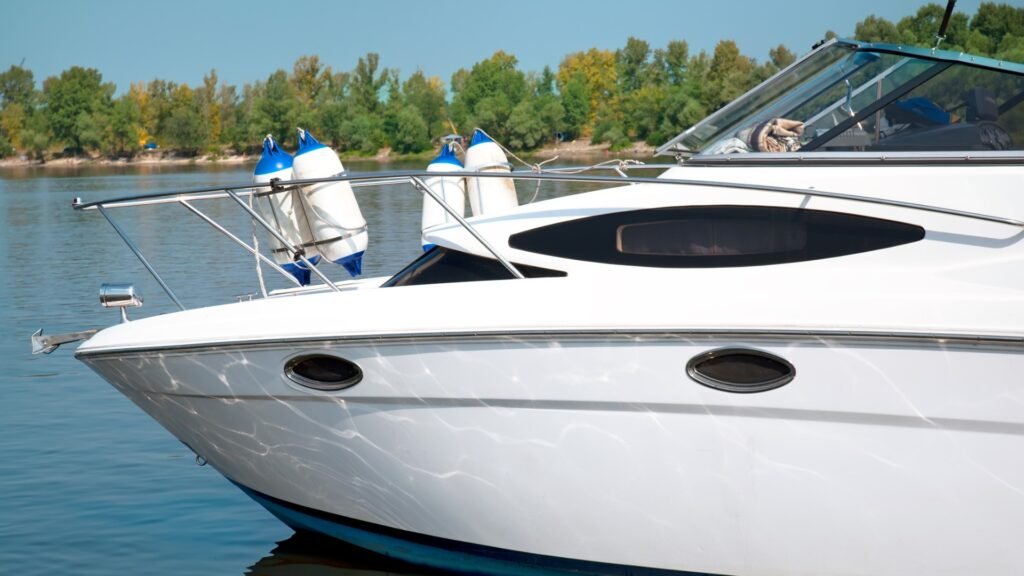
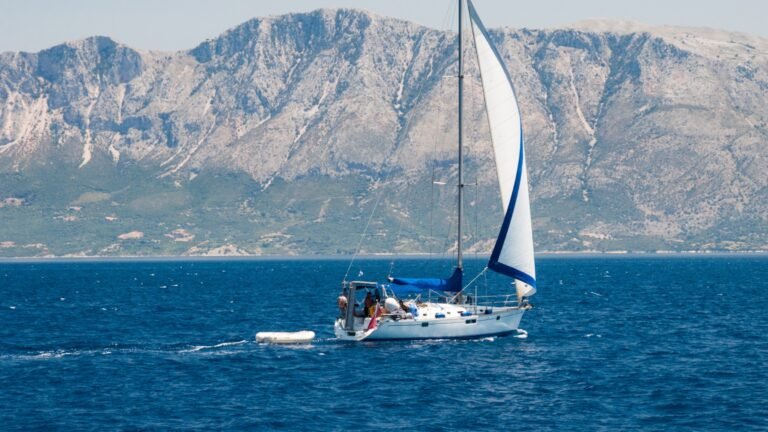
Around Heraklion, the ten to sixteen metre cruising monohull is where most of the activity sits. Buyers here are often couples or small syndicates who want a boat they can sail themselves between the islands without a crew, and who plan to keep her on a local mooring for years rather than flip her quickly. They check the standing rigging, the state of the sails, and whether the engine hours match the service record. Osmosis history and the condition of through-hull fittings get closer attention than the upholstery.
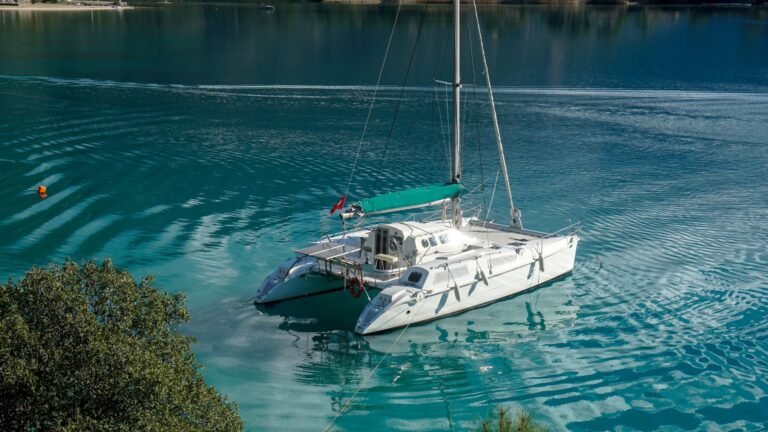
Sailing catamarans move differently. They hold their value better than most monohulls of similar age, and the buyers split fairly evenly between private owners after space and stability, and charter operators building or renewing a fleet. Charter buyers in particular go through the boat methodically: winches, generator, watermaker if fitted, and the condition of the bridgedeck. They want to know how she has been used, not just how she looks in photographs.
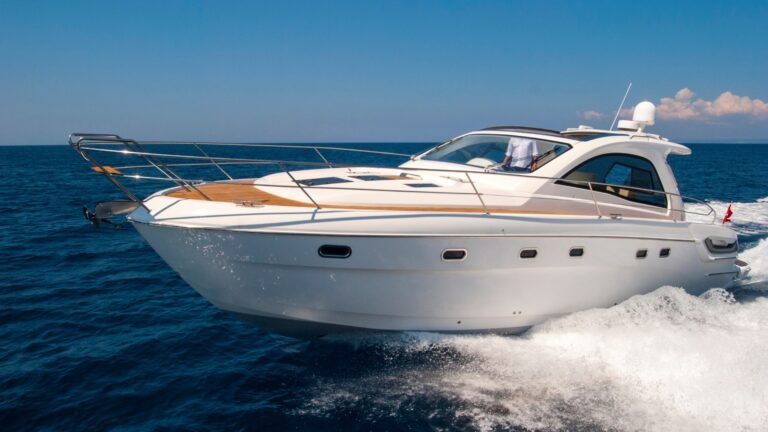
Motor yachts and flybridge boats attract a different sort of owner, generally someone based in or near Heraklion who wants short hops along the coast and a platform for entertaining rather than long passages. Fuel consumption and range come up early in these conversations, along with the condition of the genset and air conditioning. These buyers tend to decide quickly once the figures and the maintenance history add up.
Larger yachts sell more slowly, and that is normal rather than a warning sign. The buyers who do come forward have usually done their homework before they ever ask to see the boat: survey history, class certification where it applies, and a clear picture of running costs. They arrive with finance and viewing logistics arranged, so when an offer is made it tends to be a serious one.
Across all four categories, the common thread is paperwork. Buyers at every level want to see the same things: registration, VAT status, service records, and an honest account of any past damage or repair. A boat that can produce this cleanly tends to sell faster, regardless of size or type.
A boat sold in Greece changes hands on paper as well as on the water. The buyer wants three things in order: a clean bill of sale, evidence that the previous register has released her, and documentation of her VAT status within the EU. Most owners selling here keep the flag she already wears; a change of flag is a choice, not an obligation, and it is usually driven by the buyer's residence rather than by where the boat is lying.
Where a buyer does want the Greek flag, private pleasure craft are entered through the local port authority and the paperwork is straightforward once the deletion certificate from the old register is in hand. Private boats cruising Greek waters also carry the TEPAI cruising contribution, which is calculated on length and paid monthly or annually. We handle the sequence so the two sides are never waiting on each other, and we tell you before you sign which document is going to be slowest.
Heraklion Marina sits inside the city of Heraklion, on the north coast of Crete, close to the harbour that has served the island for centuries. It opens directly onto the Sea of Crete, the stretch of water that separates Crete from the Cyclades to the north, giving boats an unobstructed route out before choices narrow toward the mainland or the islands beyond. From the berths, the coastline runs in both directions along Crete's northern shore, with other anchorages and harbours within a short passage depending on conditions and the boat in question. The setting is urban rather than remote: the marina sits within walking distance of the city centre, so provisioning, chandlery and repairs are close at hand rather than a matter of planning ahead. Heraklion Nikos Kazantzakis Airport, known by its code HER, lies a short distance from the marina, making it a practical point of arrival and departure for owners and for buyers travelling to view a boat. The combination of city, open sea and airport within easy reach is part of what makes Heraklion a working base rather than a seasonal one, used across the year rather than only in high summer. A map follows to show the detail.
We charge 5% of the final sale price and it is payable only on completion. There is nothing to pay up front, no listing fee and no photography charge. If she does not sell, you owe us nothing at all.
No. She stays exactly where she lies at Heraklion Marina, Crete and buyers come to the pontoon. Moving a boat for a sale costs money, adds risk and rarely helps. Her own berth at Heraklion is the best showroom she has.
A correctly priced boat at Heraklion Marina, Crete normally sells within three to six months, and most of that time is spent waiting for the right funded buyer rather than waiting for enquiries. Overpriced boats sit for a year or longer.
One named broker handles your boat from listing to handover. The same person answers the enquiry, qualifies the buyer, meets them at the berth at Heraklion Marina, Crete and runs the viewing. You are never passed around a call centre.
Proof of ownership, the registration document, the VAT status paperwork and invoices for any major works. Missing paperwork is the most common reason a sale collapses late. This is general information and not legal advice, so check your own position.
We look at recent completed sales of the same model, current asking prices, her condition, her hours and her equipment, then set a figure that attracts funded buyers rather than tyre kickers. A survey usually confirms that number rather than changing it.
Send us the make, model, year and berth number and we will come back with a realistic market figure, not a flattering one. Flat 5% commission on completion, no listing fee, no photography fee.
Value my boat+30 698 013 5656