Sell her from her own berth at Astypalaia. One named broker, funded buyers only, private viewings by appointment. 5% on completion, nothing up front.
Request a valuationView yachts for saleHome › Yacht brokers Dodecanese › Sell Your Boat Astypalaia
Sell your boat Astypalaia: the quickest route is to leave her exactly where she lies at Astypalaia and let the buyers come to the pontoon.
Astypalaia sits at the edge of the Dodecanese, and the marina's season runs from June to September, a short window shaped by exposure to open-sea weather. Buyers who fly in land at Astypalaia National Airport (JTY) at Analipsi, roughly 12 km from Astypalaia town, with an indicative taxi fare of 5.00 EUR. Those arriving by sea from Kos, Rhodes or Piraeus need a ferry connection rather than a direct flight home.
Selling here works the same way it does everywhere we operate: 5 per cent commission, payable on completion, nothing charged up front. One broker manages your boat from valuation through to handover, so you deal with a single point of contact throughout the process. Viewings are private, arranged strictly by appointment, and offered only to buyers whose funds have already been checked.
At Astypalaia the buyers fall into four fairly distinct groups, and each one looks at a boat differently before they commit to anything.
Greek owners trading up within the same marina know the berth, the neighbours and the local weather patterns already, so they go straight to the engine hours and the service history. They walk away over a neglected gelcoat or a logbook with gaps in it, because they have seen enough boats in that marina to know what proper upkeep looks like.
Northern European buyers want a boat already lying in Greece so they can fly out and be sailing within days, not weeks. Their first questions are about the current flag, the VAT status and whether the mooring contract can transfer with the sale. If the paperwork is unclear or the transfer looks like it will drag past the start of the season, they lose interest quickly.
Charter operators are hunting for hulls that already carry Greek registration and a fixed berth, since that saves them a season of licensing and waiting lists. They inspect the layout for cabin count and guest capacity first, then the mechanical condition. A boat with strong bones but tired furnishings does not put them off; a boat with unresolved paperwork does.
First time buyers stepping up from something smaller tend to focus on how the boat handles and how much boat they can actually manage, rather than on specification sheets. They walk away when a boat feels larger or more complicated than they are ready for, regardless of price.
Astypalaia runs a short season, June to September, and the marina is exposed to the weather outside those months. That compresses genuine viewing activity into the spring run-up and the summer itself, with enquiries dropping off sharply once the season closes. Owners thinking of selling should expect the bulk of serious interest to arrive in a narrow window, not spread evenly across the year.
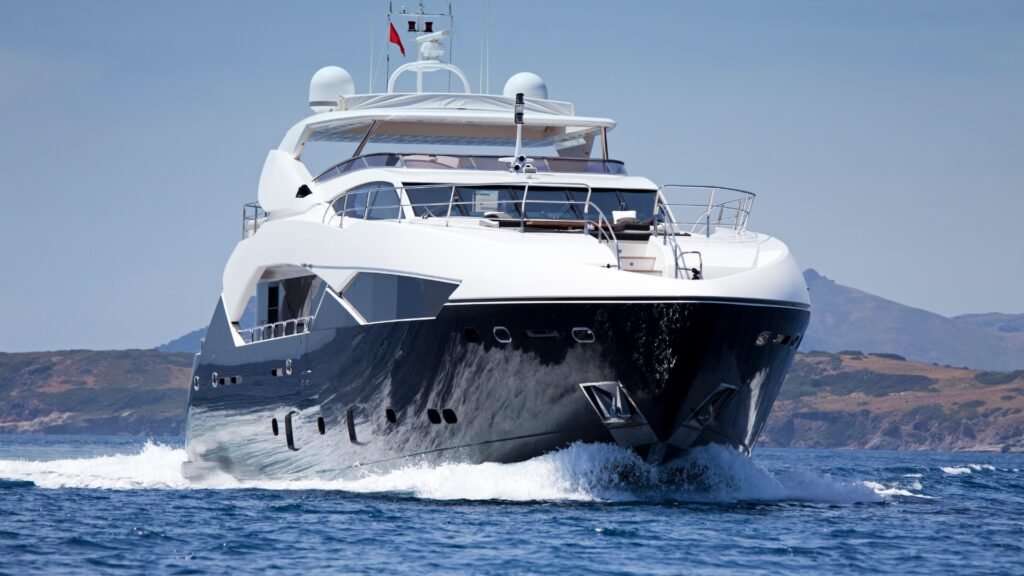
Start with the valuation. A broker working from Astypalaia prices your boat against what has actually changed hands, not against the asking prices still sitting unsold on the portals. That means looking at comparable boats that sold, at what condition they were in, and at how long they took to move. It gives you a figure grounded in the market as it is, rather than as other sellers wish it were.
Next comes presentation. Photography and video are shot at the berth, in proper light, showing the boat as she actually is rather than as a stock image suggests she might be. A written listing is put together that answers the questions a buyer would otherwise have to ask by email or phone: engine hours, service history, layout, extras, condition of sails or canvas, anything that saves both sides a round of back and forth.
The listing then goes out to the international portals where serious buyers actually look, so you are not relying on local word of mouth alone. This is where yacht brokers Astypalaia earn their keep, because reach without filtering just means more noise for you to sort through.
That filtering is the next part of the job. Enquiries come in, and most of them go no further, because the broker checks that a buyer has funds confirmed before anyone is given a private viewing by appointment. You stop fielding calls from people who are curious rather than ready.
Once a genuine buyer is found, the broker runs the negotiation, arranges the survey, and manages the paperwork through to completion. You are not chasing signatures, translating documents, or trying to work out what a surveyor's report actually means for the price. That is handled for you, on a commission of five per cent on completion, with nothing due up front.
What you see listed online for boats like yours at Astypalaia tells you what sellers hope for, not what buyers actually pay. Asking prices are aspirations, sometimes stubborn ones, and they accumulate on portals long after everyone in the trade knows they are unrealistic. Achieved prices are the only real evidence, because they represent a transaction someone actually completed, funds that actually moved, and a buyer who actually signed.
The year on the transom matters less than you might think. What moves the number is condition you can verify: engine hours and how they were accumulated, whether the rig has been re-tensioned or replaced, the age of the sails and the state of the canvas, and whether the electronics are current or a generation behind. A tender and outboard that work, rather than ones that need attention before they can be used, add more than their replacement cost would suggest, because they remove a job from the buyer's list.
Location within Greece counts too, and not in a vague way. A boat lying afloat with her paperwork in order and a berth already secured is simply worth more than an identical boat ashore somewhere the buyer has to arrange transport to see her. Every extra step a buyer has to take before they can view the boat at a private viewing, by appointment, once they are vetted and their funds are confirmed, is a reason for them to look elsewhere first.
An asking price pitched too high does not sit quietly waiting for the right buyer. It sits and ages. Buyers who are actively looking see the listing early, price it against what is actually selling, and move on. By the time the price is corrected, the boat has picked up a reputation for being stale, and buyers assume something is wrong with her rather than with the number. That costs you more in the end than pricing her correctly from the start, because you are then selling against her own history as well as against the market.
Valuing a boat properly means starting from what has actually sold, adjusting for her specific condition and equipment, and pricing her to reflect that she is lying ready in Greece rather than waiting somewhere less convenient. Get that right and she sells at a price that holds up. Get it wrong and you spend months explaining a number nobody believes.
It starts with a visit to your boat in her own berth at Astypalaia. A broker comes to see her as she is, not as a photograph, and gives you an honest valuation based on her condition, her equipment and what similar boats have actually sold for.
From there you agree an asking price together and sign a written listing agreement. This sets out the terms plainly, including the fee, which is five per cent payable on completion. Nothing is payable up front.
Photography and video are shot at Astypalaia, at her berth, showing her as she sits in the water and at anchor if conditions allow. These images and footage form the core of the listing.
The listing is then published and pushed out to the international portals where serious buyers actually look. It carries your boat to a wider market than local word of mouth ever could.
Enquiries are filtered from that point on. Only buyers who have shown their funds are in place are offered an appointment to view her. This protects your time and keeps casual lookers away from the berth.
Viewings themselves are private, arranged by appointment at her berth in Astypalaia. Each one is conducted with a broker present, so you are not dealing with strangers wandering the pontoon.
When interest turns serious, an offer is made and negotiated on your behalf. You are kept informed at every stage and nothing is agreed without your approval.
Once terms are settled, a survey is arranged locally, along with a private viewing so the buyer can satisfy themselves of her condition and handling. This is organised through people who know the boat and the waters around Astypalaia.
Contracts are then signed and the deposit is held properly, through the correct channels, so both sides are protected until completion.
Completion follows, along with deregistration and the formal handover of the boat to her new owner. Paperwork, keys and documentation are handed across cleanly, and the sale is concluded.
Throughout the process you deal with a named broker who knows your boat and her berth, not a call centre or a general enquiries line. The fee remains five per cent, due only on completion, with nothing asked of you before that point.
A local broker replies with a realistic market figure, not a flattering one. No listing fee, no photography fee, flat 5% commission on completion.
We use these details only to value your boat and reply. No mailing list, no third parties. Prefer to talk? +30 698 013 5656.
Astypalaia is not a place enquiries arrive by accident. Most of what lands in your inbox will be curiosity, not intent, and you have no way to filter it until you have already answered the message, checked the calendar and arranged to be there. A private seller has no gatekeeper, so every unfunded enquiry costs the same amount of your time as a serious one, right up until it does not.
Opening the boat means travelling to her, which on Astypalaia is rarely a short trip for anyone who does not already live aboard or nearby. You do this for people who ask good questions and never call back, and you have no way of knowing which viewing that will be until it has happened. A broker absorbs that cost by vetting the buyer and confirming funds before any viewing is arranged, so the people who come aboard are the people who can actually complete.
Without sold comparables to point to, you are also exposed on price. A buyer who has done his homework knows you cannot show him what similar boats at Astypalaia have actually made, only what they were listed at, and he will use that gap to talk you down.
Deposits taken privately sit wherever you put them, with no client account behind them and no separation between your money and the transaction's money if anything goes wrong. Transfer of title and deregistration paperwork carries real exposure too, and mistakes there are not easily undone.
Meanwhile the boat still costs you money simply by existing unsold: berthing, insurance, antifouling, servicing, all continuing whether or not a buyer appears this month or next. A boat that sits through a whole season at Astypalaia carrying those costs will have cost you more than a five per cent commission would ever have done, and the commission is only due on completion, with nothing to find up front.
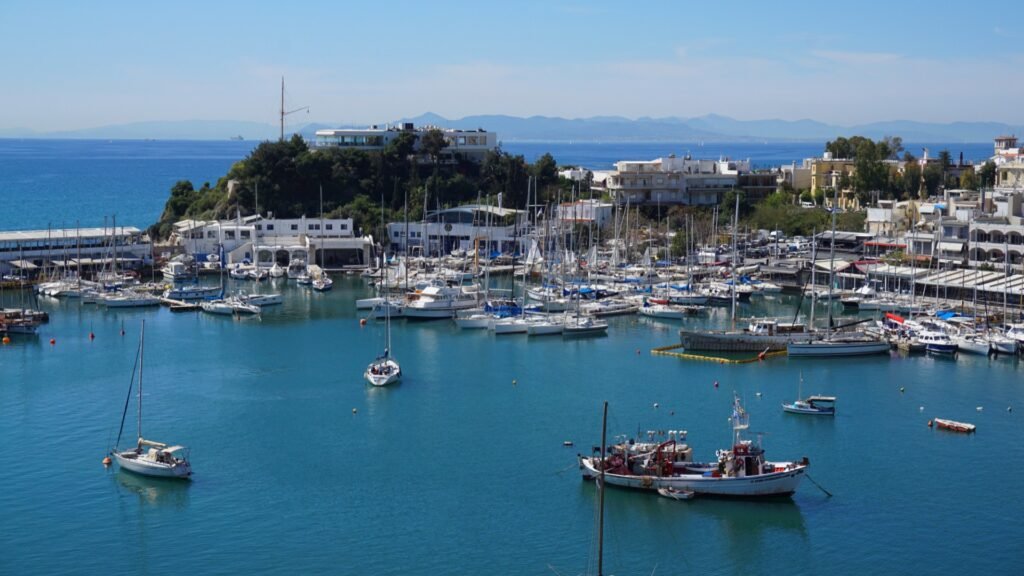
Once you accept an offer on your boat, the terms are set out in a sale and purchase agreement. This document fixes the price, the deposit, the conditions still to be met, and the date fixed for completion. It is the reference point for everything that follows, so it needs to be precise rather than vague.
The deposit is paid into a client account, not handed to you directly. This protects both sides: the buyer knows the funds are held independently until conditions are satisfied, and you know the money is real and committed before any work is done on your side.
Most agreements are subject to survey and to an on-water inspection of the boat under way. If the surveyor or the buyer raises a genuine defect, the two sides negotiate a price adjustment or agree repairs before completion. This is normal and expected, and it is far better resolved on paper than argued about afterwards.
You will need to show clean title, meaning there is no outstanding finance or charge registered against the boat. Buyers also expect evidence of the boat's VAT status within the EU, since this affects resale and cruising rights. Both points are checked early, well before completion.
At completion, a bill of sale is signed and the boat is deregistered from her current flag before being registered to the new owner. If she is currently berthed at Astypalaia, the mooring or berth agreement is transferred or reassigned as part of the same process, so there is no gap in her right to lie there.
Insurance changes hands on the day of completion itself. Your policy ends and the new owner's cover begins, with no overlap and no gap. This is one of the last practical steps, but it is not one to leave until the last minute.
This is general information only and does not constitute legal advice.
Astypalaia runs on a short season, June through September, and that fact should shape when you bring her to market rather than when you happen to feel ready. Buyers start looking in late winter and early spring, well before the island itself is ready for them, so a listing that goes live in February or March has time to find its buyer before the window closes.
Delivery is almost always wanted for the start of summer. A buyer who commits in April is thinking about June or July, not September, because the whole point of owning here is to use the boat while the weather holds. If you list late, you are asking someone to buy a boat they cannot properly enjoy until the following year, and that changes their urgency and often their offer.
The boat also shows differently depending on the month. Photographs and any private viewing taken in June, July or August catch the light, the flat water and the general ease of the place that buyers are actually paying for. The same boat shot in November, tied up under grey cloud, tells a different and less useful story, even though nothing about the boat has changed.
Once the season closes, typically from October, interest drops away sharply. A boat that has not sold by then is likely to sit through the autumn and winter with little serious enquiry until buyers start looking again the following spring. That is simply the rhythm of a place with a short, weather-exposed season, and it is worth planning around rather than working against.
The Dodecanese in general gives long settled periods through summer with dependable meltemi winds at times, conditions that suit boats built for open-water sailing and comfortable at anchor as much as boats designed purely for marina life. Buyers here tend to want a vessel that handles a breeze without drama and that has the ground tackle and deck layout for genuine time spent on the hook, rather than one optimised for calm, sheltered cruising alone.
Astypalaia is not a large marina and word travels fast among the boats moored there, so the condition of your yacht is noticed before a single viewing is arranged. A deep clean, inside and out, is the first thing worth doing and the cheapest per pound spent. A polished hull catches the eye from the pontoon and tells a buyer, correctly or not, that the rest of the boat has been looked after in the same way.
Tenders, covers and canvas matter more than owners expect. A tender that has been left folded and damp, or bimini canvas gone stiff and grey, suggests neglect even when the engines and systems are sound. Have these cleaned, repaired or replaced where the cost is modest, because they are among the first things a buyer touches and photographs.
Servicing the engines is not optional, and neither is keeping the paperwork that proves it was done. A logbook with dated service records, filters and oil changes reassures a buyer far more than a verbal assurance that everything has been kept up to date. Replace perished hoses, tired batteries and instruments that no longer read correctly. A surveyor will list these faults regardless, and it is cheaper and better for you to have dealt with them first.
Clear out personal belongings. Clothes in the cabins, family photographs, the accumulated clutter of years aboard, all of it stands between a buyer and the boat they are trying to picture themselves owning. An empty, clean space sells; a lived-in one does not, however comfortable it feels to you.
What is rarely worth the outlay is a full repaint or a new suite of electronics. Buyers at this end of the market do not pay pound for pound for either, and the return on that spend is poor. On an older boat, a pre-listing survey is worth commissioning. It costs money now, but it removes the kind of surprise that surfaces after an offer has been made and kills a deal that was otherwise agreed.
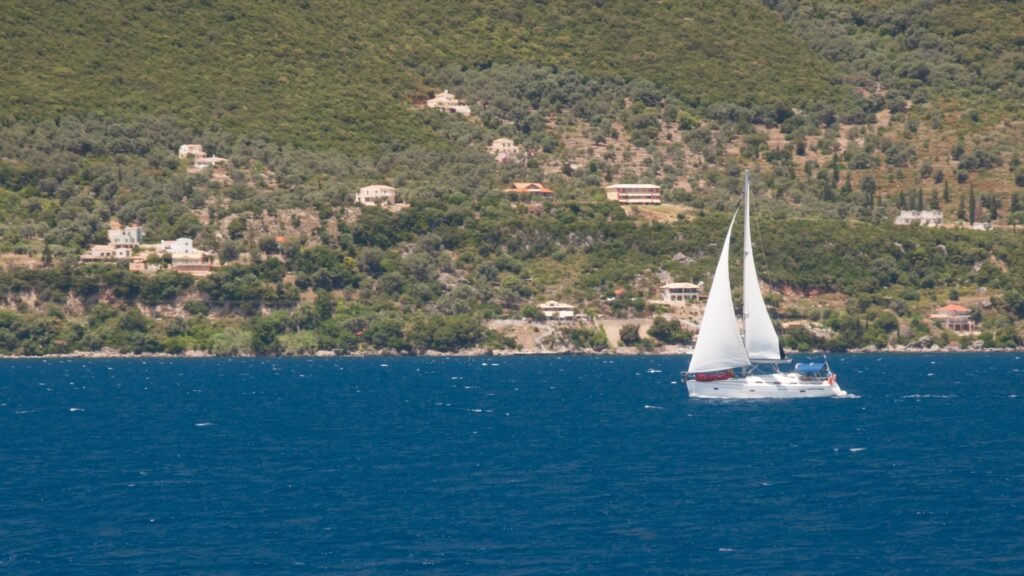
Astypalaia sits out on its own in the Dodecanese, a proper harbour rather than a marina complex, and that is part of its character. The operator does not publish berth numbers, maximum length overall, alongside depth or lifting capacity, so if any of those figures matter to a prospective buyer we confirm them directly with the harbour before a viewing rather than guessing at them here. What is clear is the season: June to September, short and exposed to weather, which shapes how the harbour is used and by whom. There is no haul out or craning on site. The nearest lift is at Kos Marina boatyard, a journey that any owner keeping a boat here for the winter needs to plan around rather than assume. For a seller this is a fact worth being upfront about, because a serious buyer will ask and will respect a straight answer more than a vague one. Walk the pontoons here and you see a working island harbour rather than a showcase marina. Local fishing boats sit alongside visiting yachts, the pace is unhurried, and there is little of the polish that comes with a big-name marina further north. Buyers who come this far are usually already committed to the idea of an island base, so they arrive with fewer illusions and fewer questions about atmosphere. For a seller, services close by are limited compared with Kos or Rhodes, but the essentials for engine work, rigging and general upkeep can usually be reached through local agents on the island or a short run to Kos. What Astypalaia offers a seller is simplicity: a boat lying here is easy to show because there is little competing traffic, no queue of other viewings, and a harbourmaster who knows every boat by name. We arrange private viewings by appointment only, after a buyer has been vetted and their funds confirmed. Our commission is five per cent, payable on completion, with nothing asked for upfront.
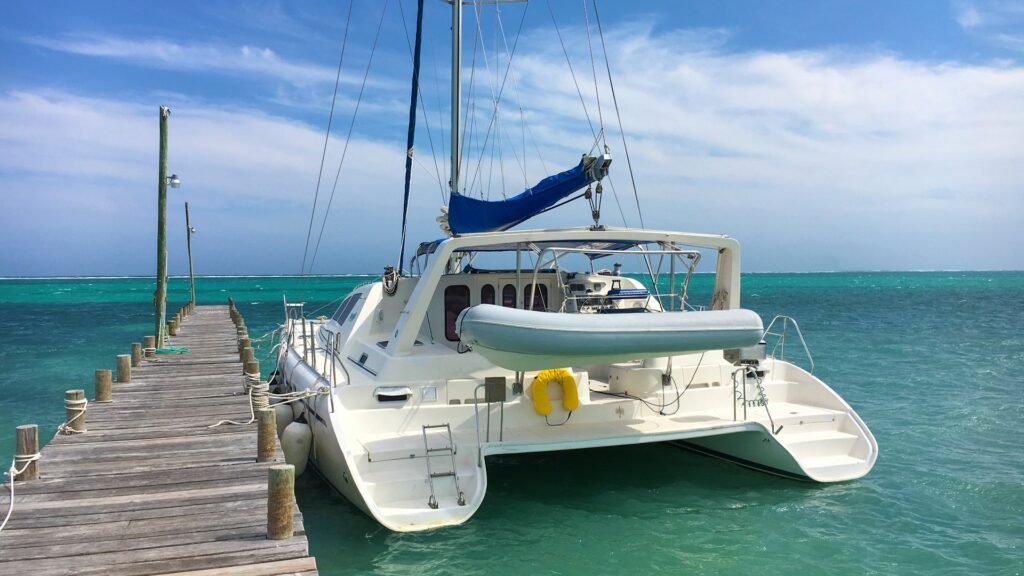
Astypalaia does not publish berth numbers, maximum length overall, alongside depth or travel lift capacity, so none of those figures can be quoted here. What matters for a sale is not the absence of published data but the underlying principle: length overall, beam and draft together determine which berths a boat can physically occupy, and that in turn determines which buyers can realistically keep her on this island once the sale completes.
A wider beam needs more space between fingers or mooring points than the same length hull with a narrower beam. A deeper draft rules out shallower pockets of a harbour regardless of how much quay length is on offer. Buyers searching for a boat here are not just buying a hull, they are buying a berth that fits her, and if that fit is tight or uncertain, it narrows the pool of people who can say yes without a lot of further checking.
This is why a berth that transfers with the boat carries real weight in a Greek sale. Berths are not simply reissued to a new owner on request. Where a mooring agreement is transferable, or the local authority is prepared to reassign it, the buyer avoids the wait and the uncertainty that comes with applying fresh. In a market where good berths are scarce and demand for them is constant, that continuity can be worth more to a buyer than a modest difference in asking price.
Before listing, check what your own agreement actually says. Confirm whether it is transferable at all, whether transfer requires the consent of a harbour authority or private operator, and whether there are any outstanding fees attached to it. If the paperwork is vague or verbal, get it clarified in writing now, not during negotiations.
On lifting out, Astypalaia has no facility of its own. The nearest is Kos Marina boatyard on Kos, and any buyer planning maintenance or a survey out of the water will need to budget for that passage and the yard's own terms.
| Detail | Value |
|---|---|
| Berths at Astypalaia | not published |
| Maximum length overall accepted | not published m |
| Alongside depth | not published m |
| Travel lift capacity | not published tonnes |
| Haul out and craning | No - nearest is Kos (Kos Marina boatyard) |
| Season | June-September (short, weather-exposed season) |
| Nearest airport | Astypalaia National Airport (JTY) |
| Transfer to the berth | Airport at Analipsi is 12 km from Astypalaia town per HCAA (indicative taxi fare 5.00 EUR); ferry required if arriving via Kos, Rhodes or Piraeus rather than flying |
| Brokerage fee | 5% of the sale price, payable on completion |
Getting a buyer to your boat at Astypalaia starts with the flight into Astypalaia National Airport (JTY). It is the nearest airport to the island, and for anyone flying in directly it is the natural point of arrival. From there, the airport at Analipsi is 12 km from Astypalaia town per HCAA, with an indicative taxi fare of 5.00 EUR. That is a short, straightforward transfer, and it means a buyer can be on the quay within a reasonable time of landing.
Not every buyer flies in directly. Some arrive via Kos, Rhodes or Piraeus, in which case a ferry leg is required to reach Astypalaia rather than flying the whole way. We do not publish ferry schedules or operators here, and we will not guess at them, but we factor this into planning a viewing so the buyer's route from wherever they start is accounted for properly, whether that is a single flight or a flight followed by a ferry crossing.
Once the buyer is on the island, the viewing itself is arranged as an appointment agreed in advance. The boat is not left shut up waiting to be discovered. She is opened, powered up, and ready to be walked through the moment the buyer steps aboard. A named broker who knows the specification in detail is present throughout, not a rotating face who has to check notes. The buyer gets proper time on board, without anyone else waiting to come after them.
Buyers who have flown any distance to be here rarely come to look at a single boat. They expect to see two or three in the same trip, often on the same day or across two days, because the cost and effort of getting to the island is only worth it if the visit covers the ground. That has a direct bearing on how a boat needs to be presented. If she is the second or third stop rather than the first, she needs to be just as ready, just as clean, and just as fully powered as she would be first thing in the morning. A buyer comparing three boats in a day forms judgements quickly, and a boat that is not properly prepared loses ground to one that is, regardless of her underlying condition or price.
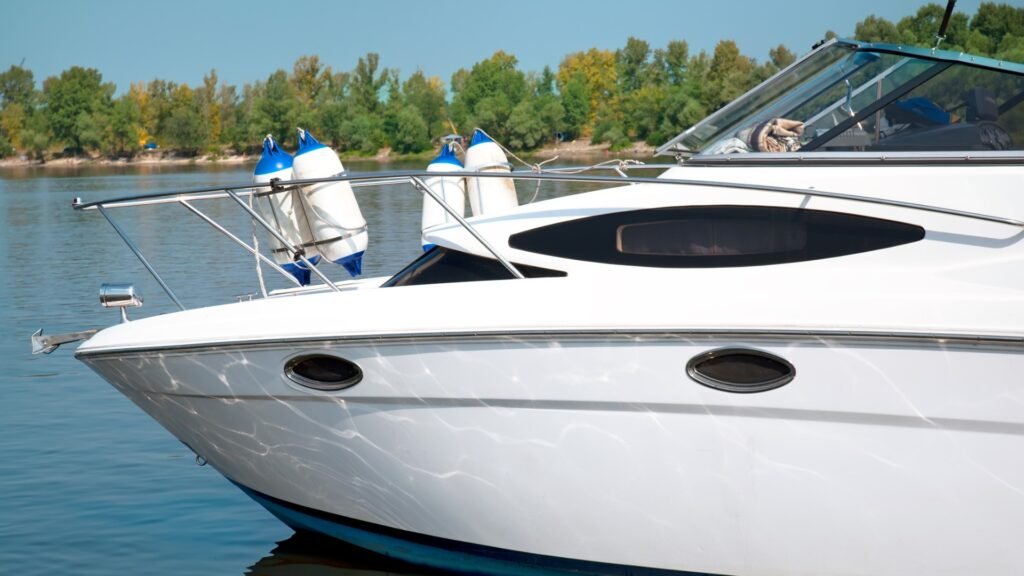
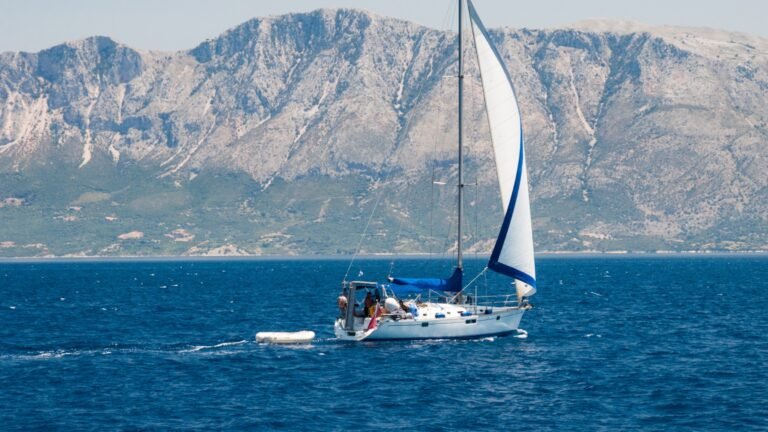
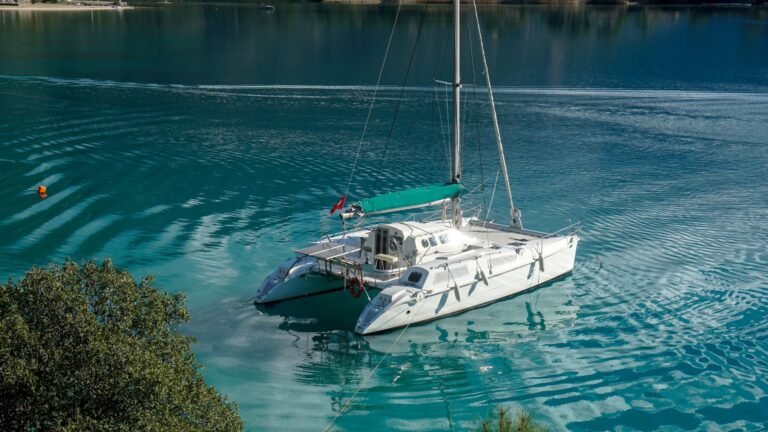
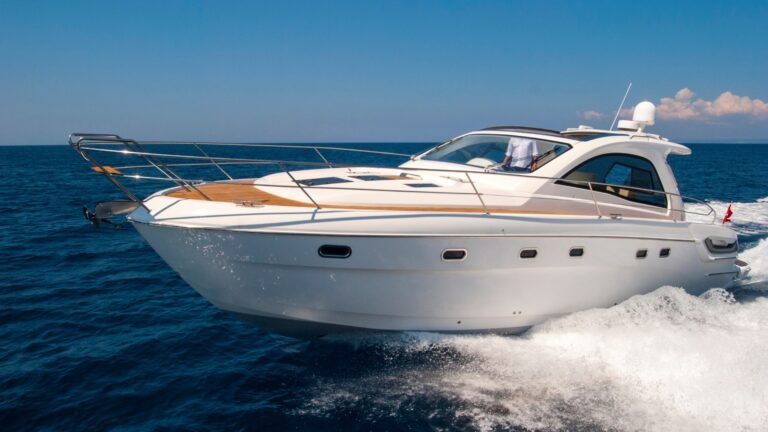
Around Astypalaia and through the Dodecanese, the boats that move fastest are cruising monohulls between ten and sixteen metres. This is the volume market, and if she sits in that range, you are dealing with the widest pool of genuine buyers. Most are private owners moving up or down from a similar boat, and they check engine hours, standing rigging age, and whether antifouling and osmosis history are documented rather than remembered. Sailing catamarans behave differently. They hold value better than most monohulls in this region, and interest comes from two directions at once: private buyers wanting space and stability for family cruising, and charter operators looking to add to a fleet. Both groups examine the same things closely: rig condition, sail inventory, generator hours, and whether she has been on a charter licence, because that history affects wear and paperwork alike. Motor yachts and flybridge boats attract a narrower but decisive buyer. These are people who want short hops between islands and a boat that entertains well at anchor, rather than long passages. They check fuel burn at cruising speed, the condition of upholstery and canvas, and how the electronics and air conditioning have held up under Aegean summers, since that is where these boats earn their keep. Larger yachts move more slowly here. There are fewer buyers, but the ones who come are prepared: they have finance arranged, often a captain or surveyor already engaged, and a clear idea of running costs before they view. They check maintenance logs in detail, class or flag compliance, and crew history, because a larger yacht bought without that groundwork becomes expensive quickly. If you are weighing up whether to sell, it helps to know which of these groups your boat actually sits with, since that shapes how she should be presented and to whom. Viewings are arranged privately, by appointment, and only once a buyer has been vetted and their funds confirmed. Our commission is five per cent on completion, with nothing payable upfront.
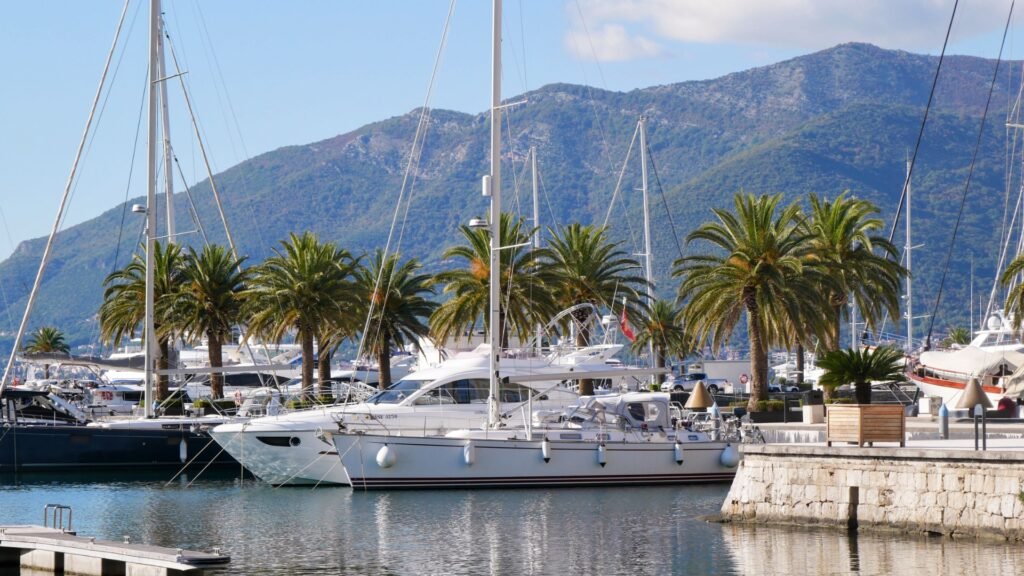
A boat sold in Greece changes hands on paper as well as on the water. The buyer wants three things in order: a clean bill of sale, evidence that the previous register has released her, and documentation of her VAT status within the EU. Most owners selling here keep the flag she already wears; a change of flag is a choice, not an obligation, and it is usually driven by the buyer's residence rather than by where the boat is lying.
Where a buyer does want the Greek flag, private pleasure craft are entered through the local port authority and the paperwork is straightforward once the deletion certificate from the old register is in hand. Private boats cruising Greek waters also carry the TEPAI cruising contribution, which is calculated on length and paid monthly or annually. We handle the sequence so the two sides are never waiting on each other, and we tell you before you sign which document is going to be slowest.
Astypalaia lies within the Dodecanese, set apart from the more familiar cluster of islands further south and east, and it opens onto the wider Aegean Sea rather than any enclosed strait. Its position places it within a short passage of other Dodecanese anchorages, without the need to cross open water for long stretches, though the specific islands and distances beyond what has been given here are not something to guess at. For those arriving by air, the nearest airport is Astypalaia National Airport, JTY, with the airport at Analipsi sitting some 12 kilometres from Astypalaia town according to HCAA figures, and an indicative taxi fare of 5.00 EUR for that stretch. It is worth noting that flying in does not mean flying out again in the same way for every itinerary: those arriving via Kos, Rhodes or Piraeus will need to factor in a ferry crossing rather than a return flight, since Astypalaia does not sit on every direct air route from those points. This makes the island somewhat more deliberate to reach than some of its neighbours, appealing to those who value a measured approach rather than constant traffic. The map that follows sets out the detail of coastline and surrounding water more precisely than words allow.
We charge 5% of the final sale price and it is payable only on completion. There is nothing to pay up front, no listing fee and no photography charge. If she does not sell, you owe us nothing at all.
No. She stays exactly where she lies at Astypalaia and buyers come to the pontoon. Moving a boat for a sale costs money, adds risk and rarely helps. Her own berth at Astypalaia is the best showroom she has.
A correctly priced boat at Astypalaia normally sells within three to six months, and most of that time is spent waiting for the right funded buyer rather than waiting for enquiries. Overpriced boats sit for a year or longer.
One named broker handles your boat from listing to handover. The same person answers the enquiry, qualifies the buyer, meets them at the berth at Astypalaia and runs the viewing. You are never passed around a call centre.
Proof of ownership, the registration document, the VAT status paperwork and invoices for any major works. Missing paperwork is the most common reason a sale collapses late. This is general information and not legal advice, so check your own position.
We look at recent completed sales of the same model, current asking prices, her condition, her hours and her equipment, then set a figure that attracts funded buyers rather than tyre kickers. A survey usually confirms that number rather than changing it.
Send us the make, model, year and berth number and we will come back with a realistic market figure, not a flattering one. Flat 5% commission on completion, no listing fee, no photography fee.
Value my boat+30 698 013 5656