Yacht Brokers Greece

Sell Your Boat Spetses

Sell her from her own berth at Spetses. One named broker, funded buyers only, private viewings by appointment. 5% on completion, nothing up front.

Request a valuationView yachts for sale

HomeYacht brokers Saronic & Argolic › Sell Your Boat Spetses

Sell your boat Spetses: the quickest route is to leave her exactly where she lies at Spetses and let the buyers come to the pontoon.

Spetses runs a year-round season, so a listing here is not tied to a short summer window. The island sits within reach of Athens International Airport Eleftherios Venizelos, roughly sixty minutes from Piraeus by metro Line 3, then two hours ten minutes by ferry from Piraeus to Spetses. For an owner deciding when to bring a boat to market, that link matters more than it looks: buyers travelling from abroad can reach the island in a single day, which keeps the pool of realistic viewers wider than the calendar might suggest.

Selling through us costs five per cent, payable on completion, with nothing charged upfront while the boat is on the market. One broker is assigned to your listing from the first valuation through to handover, so you deal with the same person throughout rather than being passed between contacts. Viewings are arranged privately, by appointment only, and we show the boat solely to buyers whose funds have already been verified.

  • Spetses at Spetses, Saronic & Argolic: one named broker, private viewings at the berth, 5% payable only on completion and nothing up front.
  • The season at Spetses runs Year-round.
  • Spetses holds not published berths.
  • Spetses takes yachts of up to not published metres length overall.
  • The nearest airport for a buyer flying in to view her is Athens International Airport Eleftherios Venizelos (ATH).
  • Transfer from Athens International Airport Eleftherios Venizelos (ATH) to the berth at Spetses: ATH-Piraeus 60 min by metro Line 3 + ferry 2 h 10 min (Piraeus-Spetses).

Who Is Buying at Spetses Right Now

At Spetses, a good portion of enquiries come from Greek owners who already keep a boat in the marina and want to move up within it. They know the berth, the harbourmaster, the local yard, so they inspect the engine hours and service records first, since they are not buying the location, only the boat. What makes them walk away is a thin maintenance history or a boat that has clearly sat unused for a season, because they have seen enough neighbouring boats to know what proper upkeep looks like.

Northern European buyers form a second group, and what they want is a boat already lying in Greece so they can fly out and be aboard within the same week. They look first at the survey and at how quickly the paperwork can be transferred, because their whole reason for buying here is to remove the delay of shipping or delivery. They walk away if the documentation is incomplete or if the current owner cannot produce clean title promptly, since the entire appeal of a Greek-based boat collapses if it cannot be handed over fast.

Charter operators are the third group, and they are hunting specifically for hulls that already carry Greek commercial paperwork and hold a berth, since both save them months of licensing work. They inspect the charter licence and the berth agreement before they even look closely at the boat itself. A boat without a transferable licence, or one tied to a marina contract that will not pass to a new operator, is quickly ruled out.

The fourth group is first time buyers moving up from something smaller. They inspect handling and layout first, wanting to know the boat will not overwhelm them, and they walk away from anything that feels overly complex to run or maintain.

The season at Spetses runs year-round, which keeps enquiries steady rather than concentrated into a short spring rush. Viewings continue through the winter months at a lower but consistent rate, so listings do not sit idle waiting for a single seasonal window to bring buyers forward.
sell your boat Spetses: buyers viewing a yacht on the pontoon at Spetses
Private viewings happen at your own berth at Spetses.

Yacht Brokers Spetses

The starting point is a valuation based on what has actually sold in Greece and the wider Mediterranean, not what similar boats are optimistically listed at. Asking prices tell you what an owner hopes for. Completed sales tell you what a buyer with funds in place was prepared to pay, and that is the figure that sets a realistic asking price for your boat.

Once the price is agreed, the boat is photographed and filmed properly at the berth in Spetses, in good light, with the detail a buyer actually looks for rather than a handful of quick phone shots. A written listing is drawn up that answers the questions a serious buyer would otherwise have to ask by email or phone: engine hours, service history, ownership structure, VAT status, what is included and what is not. That listing then goes out to the international portals where buyers are actually searching, so the boat has proper visibility beyond the Greek market alone.

From there, the enquiries start coming in, and this is where yacht brokers Spetses earn their fee. Every enquiry is screened before anyone is shown the boat. That means confirming who the buyer is and that their funds are in place, and only then arranging a private viewing by appointment. You are not fielding calls from people who are simply curious, and you are not showing your boat to anyone who has not been vetted first.

Once there is a genuine buyer, the broker runs the negotiation, coordinates the survey, and manages the paperwork through to completion. You are not chasing a surveyor's schedule, drafting a bill of sale, or working out what documents a foreign buyer's bank requires. That work sits with the broker, alongside keeping both sides moving towards a completion date rather than letting the deal drift.

The commission is five per cent, payable on completion, with nothing asked for up front. You are not paying for marketing, photography or listings out of your own pocket while you wait to see whether a buyer materialises.

Sell Your Boat Spetses: What She Is Actually Worth

You will have seen the asking prices listed for boats similar to yours, and it is worth saying plainly that they mean very little. An asking price is what somebody hopes to get. It tells you what the market will not bear as often as it tells you anything useful. What actually values your boat lying at Spetses is what similar boats have sold for, not what they are listed at.

The year on the transom matters less than you might think. Two boats built in the same year can be worth quite different amounts once you look past the model name. Condition throughout, engine hours and how the engine has been maintained, the age of the standing rigging, the state of the sails and the canvas work, and the generation of the electronics on board all move the number more than the build date does. A tired boat with low hours and old electronics is still a tired boat. Buyers who know what they are looking at will price all of this in, whether you do or not.

A serviceable tender with a working outboard sounds minor. It is not. It is one less thing a buyer has to source, fit and pay for before the boat is usable, and it is treated accordingly when an offer is made.

Location and paperwork carry real weight too. A boat lying in Greece with her documentation in order and a berth already secured is worth more to a buyer than an identical boat sitting ashore somewhere they would have to arrange transport to, deal with import questions on, or simply spend time reaching. Convenience has a price, and buyers pay it.

Setting the asking price too high does not protect your position. It costs you. A boat that sits unsold for months starts to look stale, and buyers who track listings notice how long she has been there. That question mark depresses offers more than a realistic price ever would. Price her against what has actually sold, not against what somebody else is hoping for, and she will move.

Sell Your Boat Spetses: How We Actually Sell Her

It starts with a visit to your boat at her berth in Spetses. We look her over as she sits, not as a brochure describes her, and give you a valuation based on what similar boats have actually sold for in Greece this year, not what someone hopes to get. If the figures make sense to you, we agree an asking price together and put it in writing in a listing agreement, so there is no ambiguity about what we are selling, for how much, and on what terms.

Once that is signed, we arrange photography and video shot at Spetses, in her own water, showing her as she is. The listing then goes live and is pushed out to the international portals where serious buyers actually look, rather than sitting quietly on one website waiting to be found.

Enquiries come in and we filter them. Anyone who wants to see the boat in person has to show us their funds are in place first. We do not bring casual lookers to your berth. Once a buyer is vetted, we arrange a private viewing at the boat, by appointment, and we are there for it.

If there is genuine interest, an offer follows, and we handle the negotiation on your behalf, keeping you informed at each stage rather than presenting you with a fait accompli. Once terms are agreed, survey and a private viewing are arranged locally, using surveyors and engineers who know Greek waters and Greek paperwork.

Assuming the survey holds up, contracts are signed and the deposit is held properly, in accordance with the agreement, not handled informally. From there we move to completion: deregistration is dealt with, the balance is settled, and handover takes place at Spetses, with the paperwork and the keys changing hands together.

Our fee is five per cent, payable on completion. Nothing is payable up front, at any stage, for any part of this process.

What is your boat worth? Tell us six things.

A local broker replies with a realistic market figure, not a flattering one. No listing fee, no photography fee, flat 5% commission on completion.

We use these details only to value your boat and reply. No mailing list, no third parties. Prefer to talk? +30 698 013 5656.

Why Selling Her Yourself Is a Nightmare

Selling a boat yourself at Spetses starts with the enquiries, and most of them go nowhere. You answer messages from people who want photographs and specifications but have no funds behind them, and you find out only after you have spent days on correspondence that could have been screened out in an afternoon by someone who does this for a living.

Then there is the travel. Spetses is not a place people pass through by accident, so every viewing means you or someone on your behalf opening up the boat, running the systems, and giving a stranger two or three hours of your time. A fair number of those people were never serious buyers. They were curious, or comparing your boat to three others, or simply enjoying a day out on the water at your expense.

When you do find someone interested, you are negotiating alone. A buyer who knows you have no sold comparables to point to will talk you down, because you cannot show what similar boats have actually made. You are guessing at value while they are working from a position of information you do not have.

Deposits taken privately carry their own risk. Without a client account behind the transaction, the money sits wherever you choose to put it, and if the sale falls through, the arrangements for returning it are informal at best. Title transfer and deregistration paperwork carry real exposure too, since an error there can leave you liable long after you think the sale is finished.

Meanwhile the boat is costing you money every month she remains unsold. Berthing at Spetses, insurance, antifouling, and routine servicing continue whether or not a buyer has been found. A boat that sits through a full season carries all of those costs and still has to be sold eventually, usually at a lower price than she would have made when she was fresh to the market. That erosion, taken together, is very often more than the five per cent commission would have cost you.
Owner trying to sell a yacht privately at Spetses
Selling her yourself means fielding every timewaster in person.

Contract, Deposit and Handover

Once you accept an offer on your boat, the process moves onto paper. The sale and purchase agreement sets out the price, the boat description, the conditions attached to the sale, and the timetable for completion. It is the document everything else in the transaction refers back to, so it needs to be accurate and complete before anyone signs.

A deposit is paid at this stage, and it belongs in a client account held by a broker or lawyer, not with the seller. That keeps the funds protected until the conditions of the agreement are met, and it gives both sides a neutral point of reference if a dispute arises before completion.

Most agreements are made subject to survey and subject to a private viewing where the boat is put through her paces on the water. If the survey or that viewing turns up defects, the buyer and seller negotiate a price adjustment or a repair before completion, rather than walking away from the deal outright. This is usually where most of the back and forth in a sale happens.

Before completion, you need to show clean title, meaning there is no outstanding finance or maritime lien registered against the boat. You also need to provide evidence of her VAT status within the EU, since this affects what the buyer can do with the boat once she is theirs. The bill of sale is the document that actually transfers ownership, and it is signed once every condition has been satisfied.

Alongside this, the boat is deregistered from her current flag and registered under the new owner, and any berth or mooring agreement at Spetses needs to be formally transferred so the buyer has continuity of a place to keep the boat. Insurance changes hands on the day of completion, so there is no gap in cover between the old policy ending and the new one beginning.

This is general information, not legal advice.

Sell Your Boat Spetses: When to List Her

Spetses runs a year-round season, and that has a direct bearing on how you time a listing. The island draws visitors and boat owners in every month, unlike ports where the market effectively closes over winter, so there is no fixed date by which a boat must be on the water to be seen. That said, the pattern of buyer interest still follows the rhythm of the wider Saronic and Argolic cruising calendar. Serious enquiries tend to pick up from early spring, as buyers who have spent the winter looking start to plan viewings and want a boat ready for the summer ahead. Most want delivery in time to use her themselves through the warmer months, so a listing that goes live in February or March gives you the best chance of a completed sale before the season is in full swing. Leave it later and you are competing for a buyer's attention against boats they can already picture themselves aboard. Photographs and private viewings both benefit from the same window. Clear light, calm anchorages and boats rigged and commissioned rather than shrink-wrapped make a far stronger impression than the same vessel photographed in the off season. Once fund verification and vetting are complete, a viewing arranged for late spring through summer shows a boat at her best, and buyers respond to that. Move past the early autumn and interest tends to thin out. A boat still unsold by then is likely to sit through winter, with viewings harder to arrange and buyer numbers well down, until enquiries pick up again the following spring. The Saronic and Argolic waters are generally settled through summer, with the kind of protected cruising ground that suits family boats, short island-hopping itineraries and owners who want reliable conditions rather than open-water passages. That shapes demand towards comfortable, well-equipped boats built for coastal cruising rather than out-and-out performance yachts, and it is worth bearing in mind when you decide how to present her.

Sell Your Boat Spetses: Survey, Refit and What to Fix

Before we bring a buyer to Spetses to look at your boat, spend the money where it shows. A proper deep clean, inside and out, does more for a first impression than almost anything else you can pay for. Have the hull polished rather than just washed down. Buyers notice the difference between a boat that has been kept and one that has simply been tidied for the day.

The tender, the covers and the canvas work tell their own story. If they are faded, torn or patched, a buyer reads that as neglect elsewhere, whether or not that is fair. Have them cleaned or replaced if they are close to the end of their life, and make sure the tender itself is presentable, not just afloat.

Get the engines serviced and keep the paperwork to prove it. A logbook with stamped services and dated invoices does more to reassure a buyer than any amount of talk on the day. Replace perished hoses, tired batteries and instruments that no longer read correctly. A surveyor will list these anyway, so there is little point leaving them for someone else to find and use against the price.

Clear your personal belongings off the boat before anyone views her. A buyer needs to see the boat, not your holidays. Family photographs, clothing, half-used supplies in the galley, all of it gets in the way of someone trying to picture the boat as theirs.

A full repaint or a new suite of electronics rarely returns what it costs. Buyers pay for a boat that is sound and honestly presented, not for cosmetic work done just before a sale, and they are usually right to be sceptical of it.

On an older boat, a pre-listing survey is worth arranging yourself. It costs money now, but it removes the surprise that turns up after an offer has been accepted and kills the deal at the worst possible moment. Buyers here view by appointment, after they have been vetted and their funds confirmed, so it makes sense that what they find on the day matches what they were told beforehand.
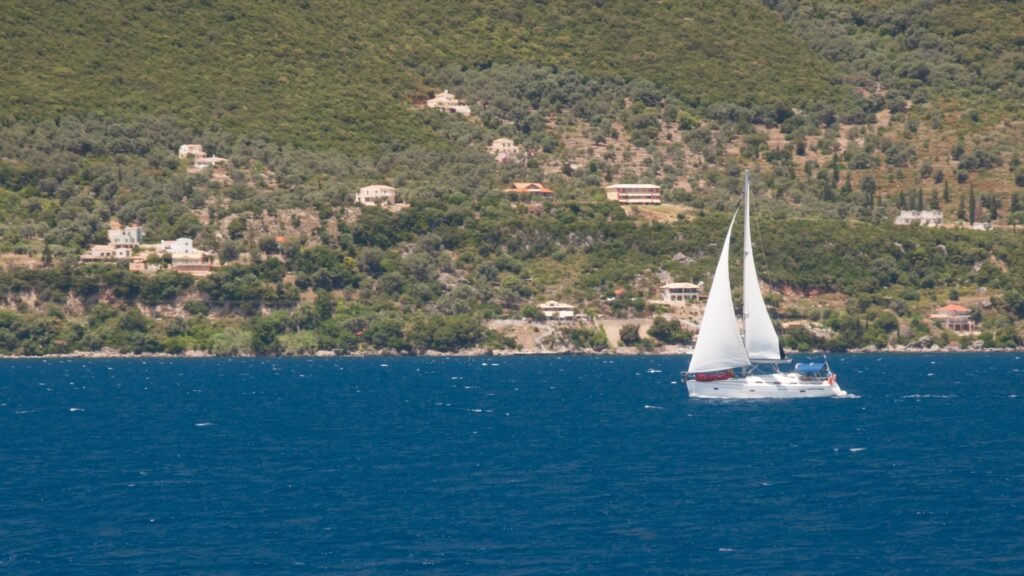
Yacht hauled out for survey and antifoul near Spetses
A survey and a tidy antifoul pay for themselves at the negotiation.

Spetses in Detail

Spetses sits at the heart of the Saronic and Argolic cruising ground, and the harbour here is one you will already know if you have kept a boat in Greek waters for any length of time. The operator does not publish berth numbers or a maximum length overall, so allocation is handled on the day, by the harbour staff who know every boat that comes and goes.

Haul out and craning is done the traditional way, at the Palio Limani, where the karnagia still work through the winter months lifting boats for antifouling, hull repairs and general laying up. These are working boatyards, not a marina crane operation, and the men who run them have been doing this for generations. The season here runs year-round, so there is no fixed lay-up window forcing your hand.

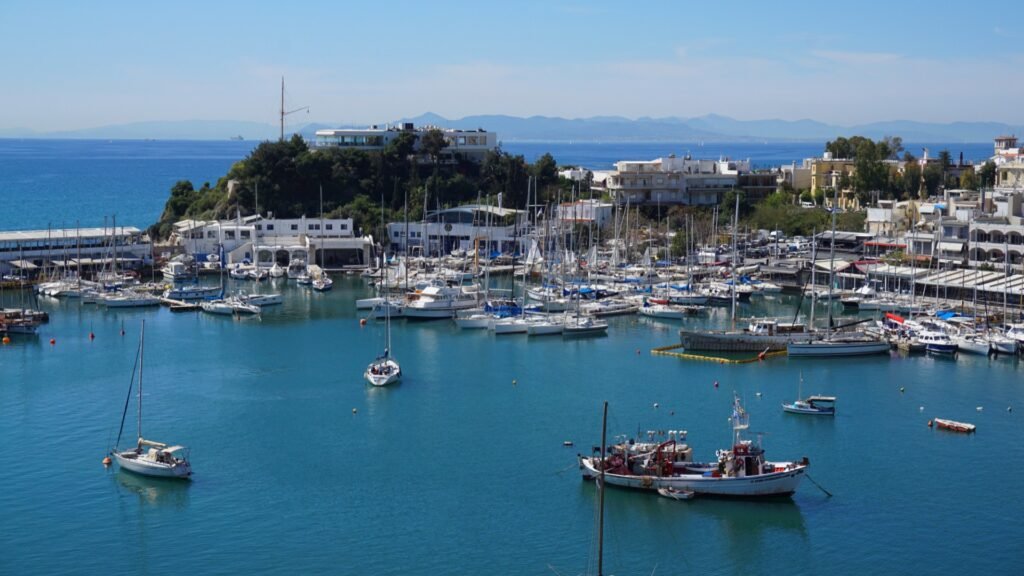
Walking the pontoons at Spetses, a buyer sees a harbour that still functions as a harbour, with fishing boats, day charter craft and private yachts sitting together rather than a marina laid out purely for show. The setting does the selling for you: the old town behind the water, the horse-drawn carriages on the front, the sense of a place that has not been over-developed. None of that is invented, it is simply what is there to see.

For a seller, the practical side matters as much as the setting. Riggers, mechanics and shipwrights work out of the Palio Limani year-round, so a boat lying here can be kept properly maintained between viewings, and any snagging found during a survey can usually be dealt with locally rather than shipped off to another island. That matters when a buyer is deciding whether to commit.

Showing a boat at Spetses is straightforward. Viewings are arranged by appointment once a buyer has been vetted and their funds confirmed, and the harbour is easy to reach and easy to work from, whether the boat is lying afloat or up on the hard at the karnagia. There is no dealer network involved at any point, only the broker handling your sale directly and the local agents on the ground in Spetses who know the boat and know the harbour.
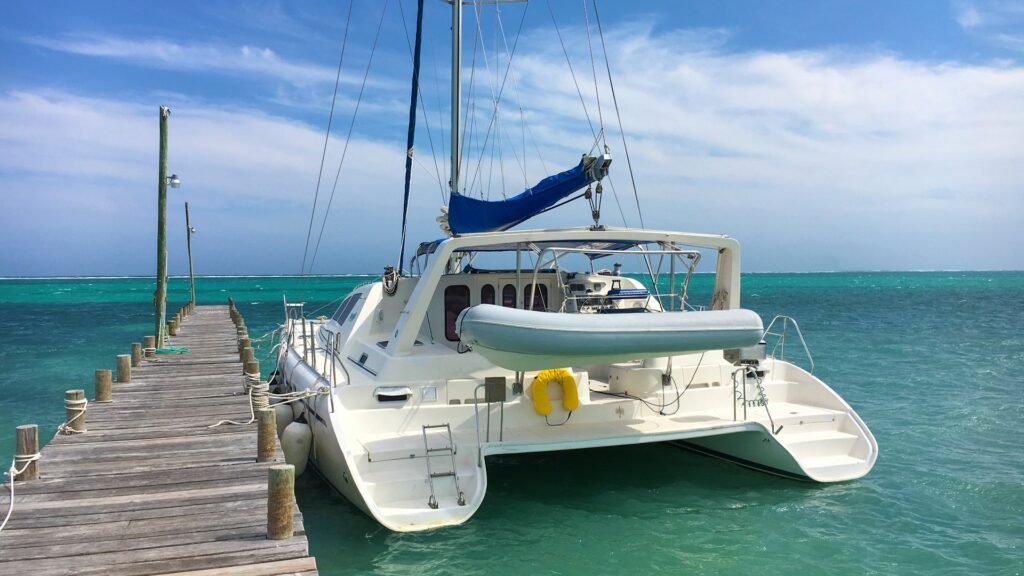
Berths and pontoons at Spetses, Spetses
Spetses at Spetses, Saronic & Argolic.

Spetses: official website

Berthing, Beam and Draft at Spetses

At Spetses, as everywhere in Greece, it is the numbers on your registration papers that decide who can berth your boat, not the reputation of the harbour. Length overall, beam and draft together determine which pontoons, which stone quays and which stretches of water are physically available to you. A boat that is a metre longer or half a metre deeper than the norm can find her options narrow considerably, whatever her condition or her asking price.

This matters directly to you as a seller, because the pool of buyers who can realistically keep the boat here is shaped by those same figures before anyone even looks at the interior. A broker showing your boat to a vetted buyer needs to know, honestly, whether she will fit where that buyer intends to keep her. Overstating what is available helps no one and slows a sale down once the details are checked.

A berth or mooring arrangement that transfers with the boat is a genuine asset in Greece, not a minor convenience. Berths are not always easy to come by, and a buyer who can take over an existing arrangement, rather than start queuing for one, will value that certainty. It can be the difference between a straightforward decision and a hesitant one.

Before you list, check the actual status of your own berth or mooring agreement. Confirm whether it is transferable to a new owner, whether it is tied to you personally, and whether any local authority or harbour body needs to be informed of a change of hands. If there is a written contract, read it again rather than relying on memory.

For haul out, Spetses is served by the traditional boatyards, the karnagia, at the Palio Limani, which are reported to haul boats out over the winter months. If your boat has used this arrangement, it is worth setting out plainly for a buyer, along with anything else you can confirm directly with the yard rather than leaving it to assumption.

DetailValue
Berths at Spetsesnot published
Maximum length overall acceptednot published m
Alongside depthnot published m
Travel lift capacitynot published tonnes
Haul out and craningYes - traditional boatyards (karnagia) at the Palio Limani, Spetses, which haul boats out over winter (medium confidence, press source)
SeasonYear-round
Nearest airportAthens International Airport Eleftherios Venizelos (ATH)
Transfer to the berthATH-Piraeus 60 min by metro Line 3 + ferry 2 h 10 min (Piraeus-Spetses)
Brokerage fee5% of the sale price, payable on completion

Hellenic Coast Guard: local port authorities

Getting Buyers to the Boat: Flights, Ferries and Transfers

Getting a buyer to Spetses starts with the flight into Athens International Airport Eleftherios Venizelos, the nearest airport for anyone travelling from abroad. From there the route to Piraeus takes around 60 minutes on the metro, Line 3, which runs directly into the port. The onward journey by ferry from Piraeus to Spetses takes approximately 2 hours and 10 minutes, so the whole transfer from touchdown to the quayside is a half day's undertaking rather than a quick hop.

Once a buyer has committed that much time, the viewing itself has to justify it. We agree the appointment in advance, so there is no waiting around at the harbour while someone finds a key or asks a neighbour to move a tender. The boat is opened up before they arrive, systems powered, hatches ventilated, and everything ready to be seen properly rather than shut up as though nobody expected them.

One named broker attends, someone who knows the specification in detail rather than a general assistant reading from a brochure. That person can answer questions on engine hours, service history, or equipment without having to check, and can speak plainly about condition rather than talk around it. The buyer gets time aboard without another party waiting behind them, which matters when someone has just spent the best part of a day travelling to get there.

Buyers who fly in for this rarely come to see one boat alone. Given the cost and time of the transfer, most will have arranged to view two or three vessels in the same trip, often across different islands or marinas. That means your boat is being judged not just against the brochure photographs but against whatever else they saw that morning or will see the next day.

A boat that is clean, ventilated, and running when they step aboard reads as looked after. One that smells shut in, or needs ten minutes of fuss before the engines will start, reads as neglected, whatever the maintenance records actually show. First impressions, in a compressed itinerary like this, tend to decide a great deal before anyone has opened a locker.
Buyer arriving at Athens International Airport Eleftherios Venizelos (ATH) to view a yacht at Spetses
Most buyers fly into Athens International Airport Eleftherios Venizelos (ATH) and reach the berth the same day.

Athens International Airport Eleftherios Venizelos (ATH): official website

The Range Selling Around Spetses

Around Spetses and through the Saronic and Argolic, the boats that actually sell in numbers are cruising monohulls between ten and sixteen metres. These come to the market from private owners who have used them for family seasons and are moving on to something larger or smaller, and they attract buyers doing the same in reverse. Buyers in this band check engine hours, standing rigging age, and whether antifouling and service records are complete and consistent rather than patchy.

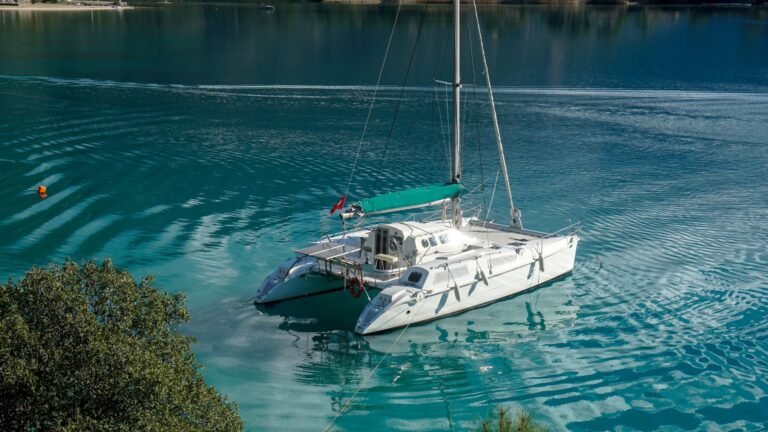
Sailing catamarans hold their value better than most other types and draw two distinct kinds of buyer. Private owners want the stability and the separate cabins for guests, while charter operators are looking at the same boat as a working asset with a defined earning life. Both groups check charter history if there is one, the condition of sail-drive or saildrive seals, and whether the boat has been maintained to a schedule rather than as needed.

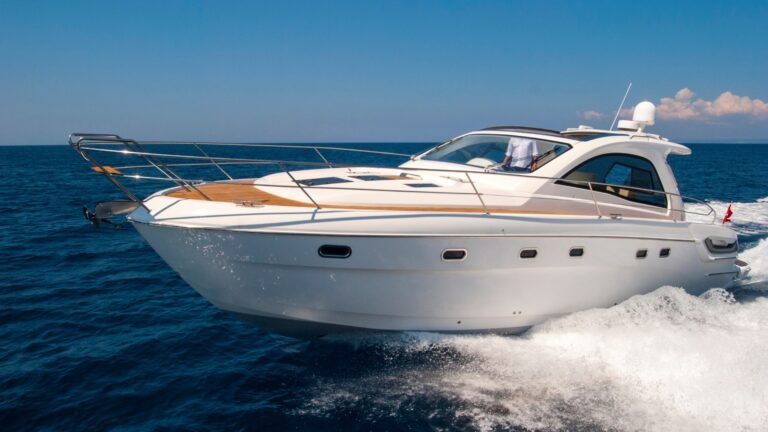
Motor yachts and flybridge boats suit owners who want short hops between islands and a platform for entertaining at anchor rather than long passages. These buyers are less concerned with range and more concerned with how the boat handles at slow speed in a crowded anchorage, the state of the generator, and the condition of upholstery and canvas after seasons in the sun. Fuel consumption at cruising speed matters to them more than top speed.

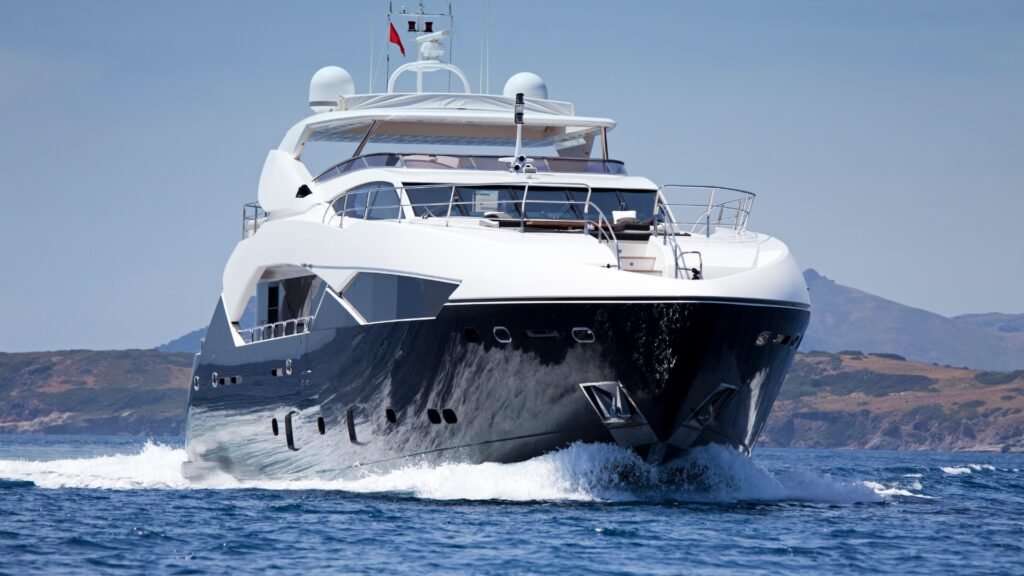
Larger yachts move slowly through this market. There are fewer buyers, and they take longer to commit, but when they do come forward they arrive with finance arranged, a surveyor already chosen, and a clear idea of what they are prepared to negotiate on. They check full maintenance history without gaps, class society records where relevant, and whether the crew, if any, are staying on. A private viewing by appointment follows only once funds and intent are confirmed.
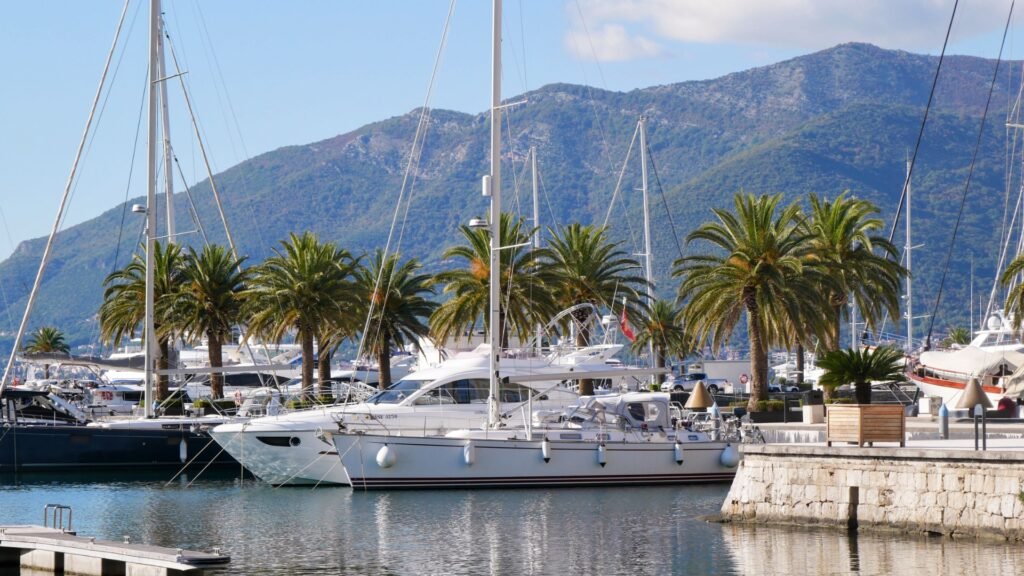
The range of yachts for sale around Spetses
What is actually selling around Spetses right now.

Where this page sits

Registering a Boat in Greece

A boat sold in Greece changes hands on paper as well as on the water. The buyer wants three things in order: a clean bill of sale, evidence that the previous register has released her, and documentation of her VAT status within the EU. Most owners selling here keep the flag she already wears; a change of flag is a choice, not an obligation, and it is usually driven by the buyer's residence rather than by where the boat is lying.

Where a buyer does want the Greek flag, private pleasure craft are entered through the local port authority and the paperwork is straightforward once the deletion certificate from the old register is in hand. Private boats cruising Greek waters also carry the TEPAI cruising contribution, which is calculated on length and paid monthly or annually. We handle the sequence so the two sides are never waiting on each other, and we tell you before you sign which document is going to be slowest.

Spetses: Location and Fast Facts

Spetses lies at the southern end of the Saronic and Argolic coastline, the last of the larger islands before the water opens into the Argolic Gulf proper. It sits off the eastern shoulder of the Peloponnese, close enough to the mainland that the crossing is short rather than a proper passage, and far enough out that the island keeps its own weather and its own pace. To the north and west, the sheltered water of the Saronic and Argolic gulfs gives a short passage to the mainland coast and the other islands strung along it, useful for an owner who wants variety within a day's sailing rather than a long haul. The nearest airport is Athens International Airport Eleftherios Venizelos, ATH, which puts the island within reach of a single international gateway rather than a regional strip. From ATH the route runs by metro on Line 3 to Piraeus, around sixty minutes, then by ferry from Piraeus to Spetses, roughly two hours and ten minutes. That combination, a capital airport at one end and a working port at the other, is what makes the island practical to reach and, in turn, practical to sell a boat from.

Boats For Sale Through Our Spetses Office

Every listing below is handled by the same brokers who take on the boats owners bring us here: one named broker, full specification, professional photography and private viewings by appointment only.
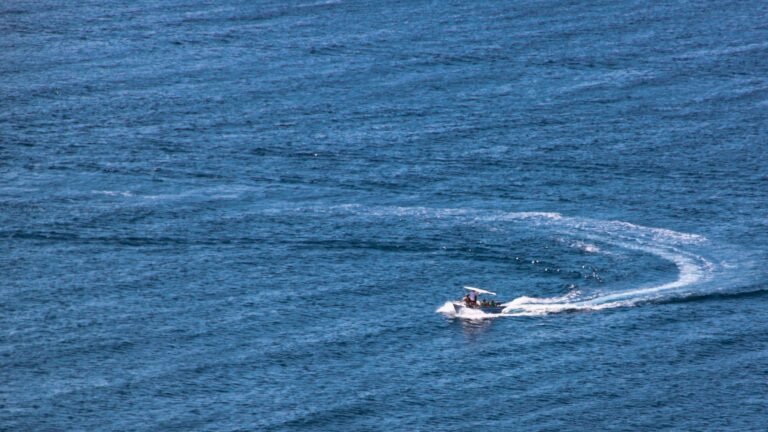
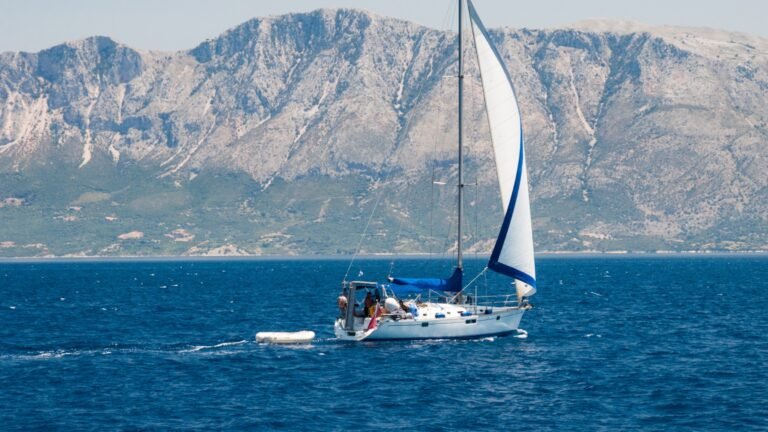
Azimut 78 Fly for sale 2011 — AOP

Azimut 78 Fly for sale 2011 — AOP

2011 · 24.5 m · Porto Carras Marina, Sithonia

EUR 1,800,000

Hallberg-Rassy 53 for sale 2002 — LA PEROUSE

Hallberg-Rassy 53 for sale 2002 — LA PEROUSE

2002 · 16.44 m · Leros

EUR 489,000

Lagoon 46 for sale 2020

Lagoon 46 for sale 2020

2020 · 13.99 m · Olbia

EUR 489,000

Sunseeker Manhattan 66 for sale 2019 — BRIGHT 7

Sunseeker Manhattan 66 for sale 2019 — BRIGHT 7

2019 · 20.8 m · Bodrum

EUR 1,650,000

See every yacht for sale through Yacht Brokers Greece

Sell Your Boat Spetses: Frequently Asked Questions

What does it cost to sell my boat at Spetses?

We charge 5% of the final sale price and it is payable only on completion. There is nothing to pay up front, no listing fee and no photography charge. If she does not sell, you owe us nothing at all.

Do I have to move the boat to sell her?

No. She stays exactly where she lies at Spetses and buyers come to the pontoon. Moving a boat for a sale costs money, adds risk and rarely helps. Her own berth at Spetses is the best showroom she has.

How long does it usually take to sell?

A correctly priced boat at Spetses normally sells within three to six months, and most of that time is spent waiting for the right funded buyer rather than waiting for enquiries. Overpriced boats sit for a year or longer.

Who actually shows the boat to buyers?

One named broker handles your boat from listing to handover. The same person answers the enquiry, qualifies the buyer, meets them at the berth at Spetses and runs the viewing. You are never passed around a call centre.

What paperwork do I need before listing her?

Proof of ownership, the registration document, the VAT status paperwork and invoices for any major works. Missing paperwork is the most common reason a sale collapses late. This is general information and not legal advice, so check your own position.

How do you decide what she is worth?

We look at recent completed sales of the same model, current asking prices, her condition, her hours and her equipment, then set a figure that attracts funded buyers rather than tyre kickers. A survey usually confirms that number rather than changing it.

Sell Your Boat Spetses: Request a Free Valuation

Send us the make, model, year and berth number and we will come back with a realistic market figure, not a flattering one. Flat 5% commission on completion, no listing fee, no photography fee.

Value my boat+30 698 013 5656