Sell her from her own berth at Sivota, Thesprotia. One named broker, funded buyers only, private viewings by appointment. 5% on completion, nothing up front.
Request a valuationView yachts for saleHome › Yacht brokers Ionian › Sell Your Boat Sivota
Sell your boat Sivota: the quickest route is to leave her exactly where she lies at Sivota, Thesprotia and let the buyers come to the pontoon.
Sivota, in Thesprotia on the Greek Ionian coast, has a marina with 140 berths and a season that runs from April to October. The nearest airport is Aktion National Airport at Preveza, roughly ninety kilometres by road, about one hour twenty minutes away, which keeps the run for viewings and handovers straightforward. It is a working harbour rather than a showcase, and that suits owners who want a sale handled without fuss.
Selling through us costs five per cent, payable on completion, with nothing asked for upfront. One broker takes your boat from valuation through to handover, so you deal with a single person who knows the listing and the buyer at every stage. Viewings are private, arranged by appointment, and only offered to buyers whose funds have already been checked, which keeps interest serious and your time protected.
Greek owners already based at Sivota tend to move within the same marina, trading a boat they know for one a few feet longer or a few years newer. They go straight to the engine bay and the service history, because they have usually done their own maintenance for years and know what good upkeep looks like. What sends them away is a logbook with gaps, or a survey that raises questions about a repair nobody can account for.
Northern European buyers want a boat already lying in Greece, so they can fly in and be aboard the same week. They inspect the berth first, checking it is secured and paid for the season, then move on to antifouling and the state of the sail or canvas work, since they plan to use the boat immediately rather than commission it slowly. A boat that needs weeks of work before it can leave the pontoon is not what they came for, and they will walk if the timeline does not match what they were told.
Charter operators are hunting for hulls that already carry Greek paperwork and a fixed berth, since both save them a season of administration. They go through the documentation first, registration, licensing, VAT status, before they even look at the saloon. A clean hull with paperwork that is incomplete or ambiguous is usually a lost sale, because the delay costs them more than the boat is worth.
First time buyers stepping up from something smaller take longer to decide and lean on whoever is showing them the boat. They open lockers, check headroom, and ask about handling under power before they ask about price. They tend to walk away not because of the boat itself but because they feel rushed, or because nobody has taken the time to explain what they are looking at.
The season at Sivota, Thesprotia runs from April to October, and enquiries follow that curve closely. Viewings and completions cluster hard from spring into early autumn, while the winter months bring a trickle of planning conversations rather than buyers ready to view.
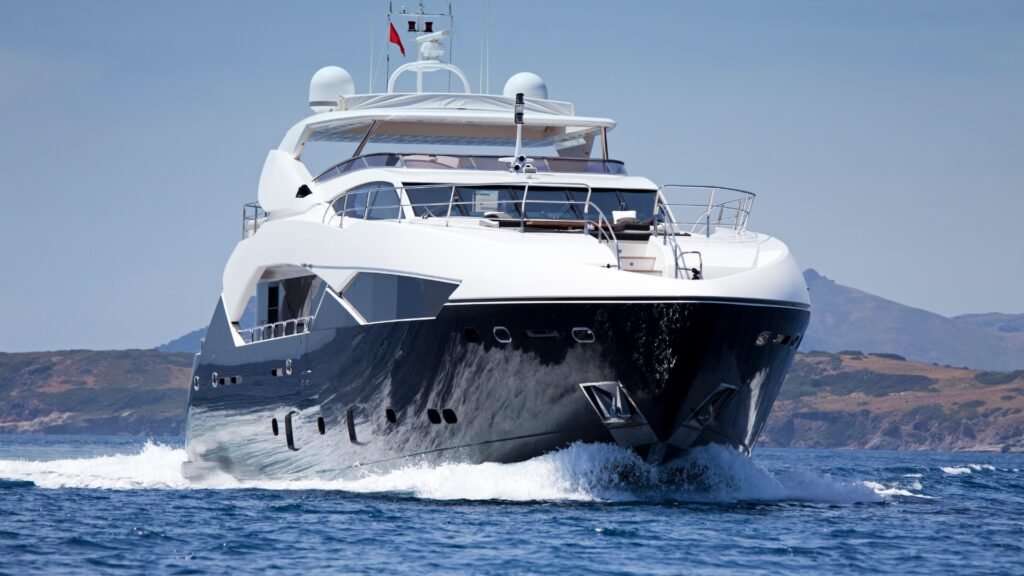
Start with the valuation, because this is where most owners get it wrong. You need a figure based on what has actually sold in Sivota and the surrounding waters over recent months, not what a dozen similar boats are optimistically asking for on a listing site. Asking prices tell you what sellers hope for. Completed sales tell you what buyers actually pay, and that is the only number worth building a strategy around.
Once the price is set, the boat needs to be shown properly. That means professional photography and video shot at the berth, in good light, with the boat prepared rather than as she happens to look on a Tuesday afternoon. A written listing follows, one that answers the questions a serious buyer would otherwise have to ask by phone or email: engine hours, service history, known issues, what is included and what is not. Done properly, this cuts weeks off the process.
The listing then goes out to the international portals where genuine buyers are actually looking, rather than sitting quietly on a single website waiting to be found. This is the part where yacht brokers Sivota earn their keep day to day, fielding the enquiries that come in behind the scenes. Most of them go nowhere. Part of the job is filtering those out, so you are not spending your weekends showing the boat to people who were never going to buy her. Only vetted buyers with funds confirmed are given an appointment.
From there, the broker runs the negotiation, coordinates the survey, and manages the paperwork through to completion. You stop chasing documents, stop fielding calls from people who are just curious, and stop wondering whether the last enquiry was worth taking seriously. Commission is five per cent, paid on completion, nothing before.
Whatever is published online for boats similar to yours at Sivota is not evidence of value. Asking prices are aspirations, set by owners and brokers who may be testing the market, in no hurry, or simply wrong. What a boat actually made when the paperwork was signed and the money moved is the only figure worth building a valuation around, and that data does not sit on the portals for anyone to browse. Condition carries more weight than the number stamped on the transom. A well-kept boat a few years older than a neglected one nearby will usually outsell it, because a buyer is paying for what they can see and what a surveyor will confirm, not for a birth year. Engine hours matter, and so does honesty about them. The age of the standing rigging, the state of the sails and the canvas, and whether the electronics are a recent generation or something that will need replacing within a season all move the number. A tender and outboard that actually work, rather than ones that need attention before they can be used, add more than their replacement cost would suggest, because they remove a job the buyer would otherwise have to do themselves. Location and readiness matter as much as the boat herself. A boat lying in Greece, in the water, with clean paperwork and a berth already secured, is worth more to a buyer than an identical boat ashore somewhere they would have to arrange transport, storage, and haul-out just to see her properly. Buyers pay for convenience as much as for condition, and a boat that is ready to be viewed and ready to be used commands a firmer price than one that asks for patience. Pricing too high does not protect your position, it erodes it. A boat that sits unsold for months starts to look overlooked, and buyers who track listings notice the staleness before they notice the boat. Every price reduction after that looks like a concession rather than a correction, and it invites lower offers than a realistic price would have attracted from the outset. Valuing on achieved sales, current condition, and readiness to view gets the number right the first time.
Once you call, the first practical step is a visit to your boat in her own berth at Sivota, Thesprotia. This is not a sales pitch. It is an honest look at her condition, her equipment, and her history, so that any figure discussed from that point on is grounded in what she actually is.
From that visit comes an agreed asking price and a written listing agreement. You know exactly what is being offered, at what figure, and on what terms, before anything is published anywhere.
Photography and video are shot at the berth in Sivota, Thesprotia, showing her as she sits, not as a stock image of a similar model. Buyers looking at a boat in Greece expect to see the actual vessel, and that is what they get.
The listing is then published and pushed out to the international portals, so she is visible to buyers well beyond the immediate area. Enquiries are filtered from that point on. Only buyers who can show that funds are in place are offered an appointment to view her.
Viewings are private, arranged in advance, and held at the berth. You are not dealing with passing curiosity, only with people who have already been through that filter.
When an offer comes in, it is negotiated on your behalf, with the reasoning behind any counter-offer explained to you plainly. Once terms are agreed, survey and an on-water assessment are arranged locally, with surveyors and engineers who know these waters and this class of boat.
A contract is then signed and the deposit is held properly, as it should be at every stage of a sale of this kind. Completion follows, along with deregistration, and finally handover, at which point the boat and the paperwork pass to her new owner.
Throughout all of this, nothing is payable up front. The fee is five per cent, payable on completion, and only on completion. If the sale does not complete, you owe nothing.
A local broker replies with a realistic market figure, not a flattering one. No listing fee, no photography fee, flat 5% commission on completion.
We use these details only to value your boat and reply. No mailing list, no third parties. Prefer to talk? +30 698 013 5656.
Selling a boat yourself at Sivota starts well enough, then the enquiries arrive. Most go nowhere. You will field messages from people who are still deciding whether to buy at all, who have not arranged finance, who ask the same questions three times and then go quiet.
Each enquiry that looks serious means opening the boat up. That is a drive to Sivota, time off whatever else you do, and a wasted afternoon when the person who asked to see her was never in a position to buy. It happens more than once. It happens most weekends of a season if you let it.
When someone does make an offer, you are negotiating alone. A buyer who has done any homework knows you have no sold comparables to point to, no recent transactions to argue from, and no one backing your asking price except you. That is a weak position to hold for very long.
Then there is money. A deposit taken privately sits wherever you choose to put it, with no client account behind it and no separation between your funds and the transaction. If the sale falls through, or a dispute follows, you have no structure protecting either side.
Title transfer and deregistration are not paperwork you want to be learning as you go. Get a step wrong and the exposure is yours, not a broker's.
Meanwhile the boat still costs you. Berthing at Sivota continues whether she is sold or not. Insurance runs on. Antifouling and servicing do not wait for a buyer to appear, and a boat left unsold over winter still needs attention in spring whether or not anyone has made an offer.
Add a season of berthing, insurance, antifouling and servicing against a sale that never quite closes, and the true cost of selling privately is rarely the price you saved on commission. A boat that sits unsold through a whole season at Sivota generally costs her owner more than the five per cent would have.
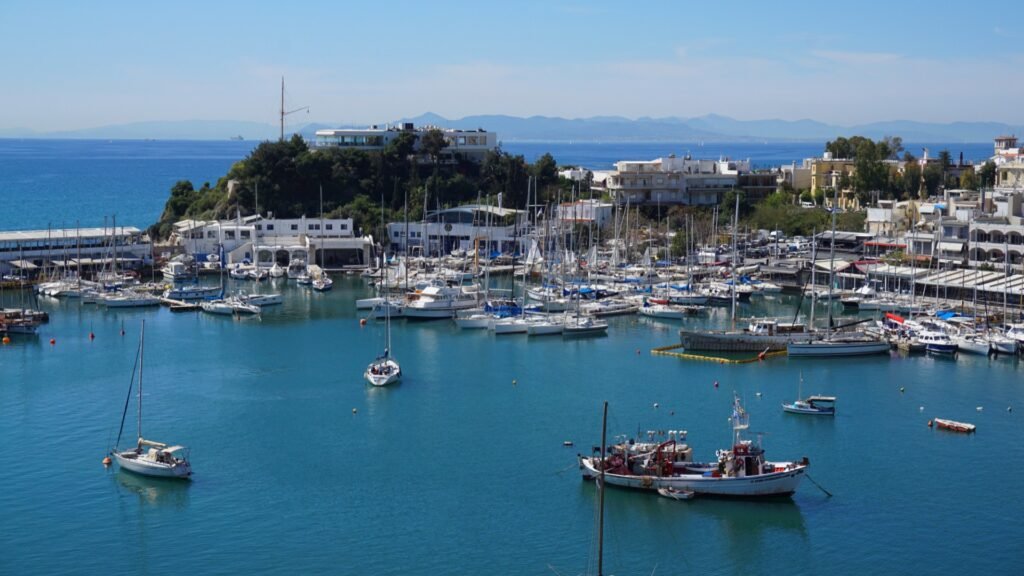
When you sell a boat at Sivota, Thesprotia, the process runs through a sale and purchase agreement that sets out the boat, the price, the timetable and the conditions both sides have accepted. This document is what everything else refers back to, so it needs to be accurate and specific rather than a template filled in loosely.
A deposit is paid once the agreement is signed, and it belongs in a client account held by a broker or lawyer, not in your hands or the buyer's. This protects both parties: the buyer knows the funds are held neutrally, and you know the deposit is genuine and cannot be recalled on a whim.
Most agreements are subject to survey and private viewing. If the surveyor or the private viewing turns up defects, the two sides negotiate a settlement, usually a price adjustment or an agreed repair before completion, rather than the deal simply falling apart.
Before completion you will need to show clean title, meaning no outstanding finance or maritime lien against the boat, and evidence of her VAT status within the EU. Buyers and their lawyers will want to see this in writing, not simply take your word for it.
The bill of sale is the document that actually transfers ownership on completion day. Alongside it, the boat is deregistered from her current flag and registered to the new owner under the flag they have chosen, which is a formal process with its own paperwork and timing.
If the boat is kept on a berth or mooring at Sivota, Thesprotia, the mooring agreement needs to be transferred or reassigned to the new owner, and this should be arranged with the marina or harbour authority ahead of completion so there is no gap in cover for the boat.
Insurance changes hands on the day of completion itself. You will need to confirm your policy ends at the point of transfer, and the buyer will need their own cover in place before they take possession.
This is general information only and not legal advice.
The season at Sivota, Thesprotia runs from April to October, and that window shapes almost everything about the timing of a sale. Buyers begin their search in the depths of winter, long before the first charter boats go back in the water, so listing early gives a boat the longest possible run in front of the right eyes. By the time spring arrives, serious buyers are already narrowing shortlists and want to move quickly once they find something suitable.
Most buyers want to take delivery in time to use the boat that same summer, which means March and April are the months when enquiries convert into viewings and offers. A private viewing, arranged by appointment once a buyer has been vetted and their funds confirmed, works best once the boat is back in the water and rigged, rather than sitting ashore under cover.
Photographs and any on-water viewing show a boat at its best from May through September, when the light is clean, the water is calm inshore, and the deck and sailplan present properly rather than half-stripped for winter. Once October passes, interest drops away sharply. A boat that has not sold by then will typically sit unsold until the following spring, so the autumn months are better spent preparing paperwork and condition rather than hoping for a late buyer.
Summer conditions in the Ionian are settled and reliable, with steady sailing breezes through the day and generally calm mornings, which suits cruising yachts and family boats more than boats built for heavy weather. Sheltered anchorages and short hops between islands mean buyers here tend to favour comfortable, easily handled boats over anything overpowered or overly technical. A well-kept, straightforward cruising yacht, presented and available at the right point in the season, sells more easily in these waters than a boat that looks better on paper than it will ever sail here.
Sivota gets damp winters and salt off the strait, and it shows on a boat that has sat through a season without attention. Before you list her, start with a proper clean: hull polished, decks stripped of grime, lockers and bilges gone through, headlining and upholstery cleaned inside. It costs little against the price of the boat and it is the first thing anyone steps aboard and notices.
Tenders, covers and canvas matter more than owners expect. A tender left flat and grubby on the pushpit, or a sprayhood gone stiff and stained, tells a buyer the rest of the boat has been treated the same way, whether or not that is true. Have them cleaned or replaced if they are beyond it, and stow them properly for the viewing.
Get the engines serviced and keep the invoices to hand. A buyer's surveyor will ask for service history, and a stack of paperwork answers questions before they are raised. While you are at it, deal with the small failures a survey will list regardless: perished hoses, batteries that no longer hold charge, instruments that do not read. These are cheap now and expensive as negotiating points later.
Clear your belongings off the boat. Personal photographs, clothing, the accumulated clutter of family use, all of it stops a buyer picturing the boat as his own rather than as yours. An empty, clean boat sells itself; a lived in one asks the buyer to do the imagining for you.
What is not worth doing is a full repaint or a new suite of electronics. Both are expensive, and on resale neither returns what you spend on it. Buyers pay for a boat that is sound and honestly presented, not for cosmetics they would have chosen differently themselves.
On an older boat, a pre listing survey is worth commissioning yourself. It costs money upfront, but it means you go into a sale knowing what a buyer's own surveyor will find. The surprise that turns up after an offer is accepted is what kills deals, not the fault itself. Better to know now, price accordingly, and have the answer ready when it is asked.
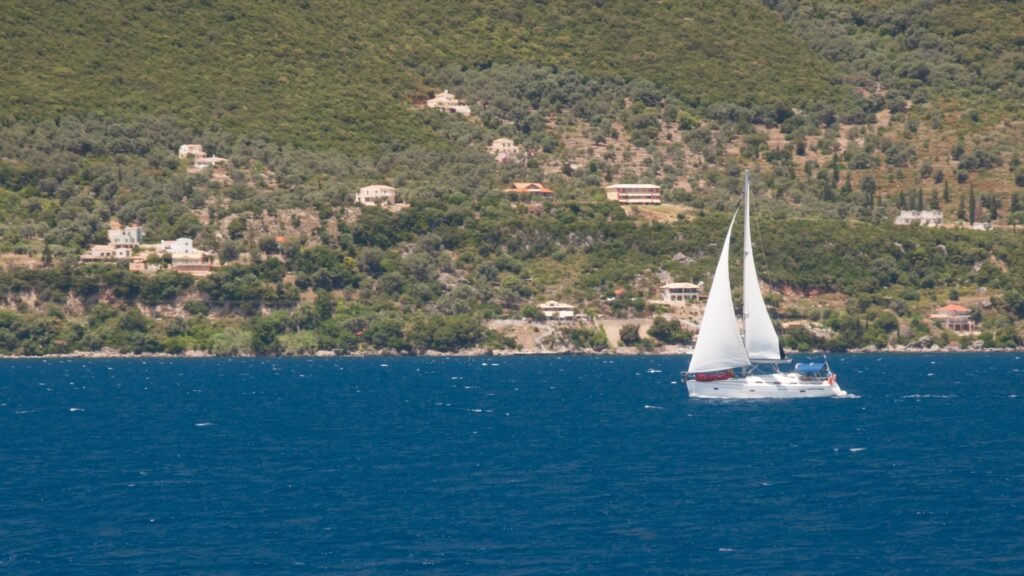
Sivota, in Thesprotia on the Ionian coast, is a working marina rather than a resort marina, and that distinction matters if you are keeping a boat there or planning to sell her. The marina has 140 berths, which keeps it to a manageable scale. You are not lost in a sprawling complex; you know the pontoons, you know the neighbours, and so does anyone who comes to look at your boat.
The season runs from April to October, which sets the rhythm of the place. Outside those months the marina quietens, but through the season it fills with a mix of local boats and visiting yachts moving along the Ionian coast, which keeps footfall steady and keeps the marina alert rather than sleepy.
Walk the pontoons and you see a working fleet: sailing yachts and motor cruisers kept in proper order, fenders squared away, covers on tight. It is the sort of marina where owners tend their own boats and where neglect stands out immediately. A buyer walking down with a broker notices that atmosphere before they notice anything about the individual boat, and it works in your favour.
For a seller, the practical side matters as much as the setting. Sivota sits within reach of the usual marine trades along this stretch of coast, riggers, engineers, detailers, and local agents who know the harbour and can turn work around without fuss. None of this is dramatic, but it means a boat can be made ready for a viewing without delay, and small jobs do not become a reason to postpone.
Showing a boat here is straightforward. Access to the pontoons is controlled, so viewings are arranged by appointment once a buyer has been vetted and their funds confirmed, and the boat is not left open to passers-by. The marina itself does the rest of the work: a tidy, well-run harbour puts a buyer in the right frame of mind before they have even stepped aboard.
If you are weighing up where to keep her while she is on the market, Sivota gives you a base that is easy for us to manage and easy for a serious buyer to reach. We work on five per cent commission on completion, nothing upfront, and a location like this only makes that process more efficient.
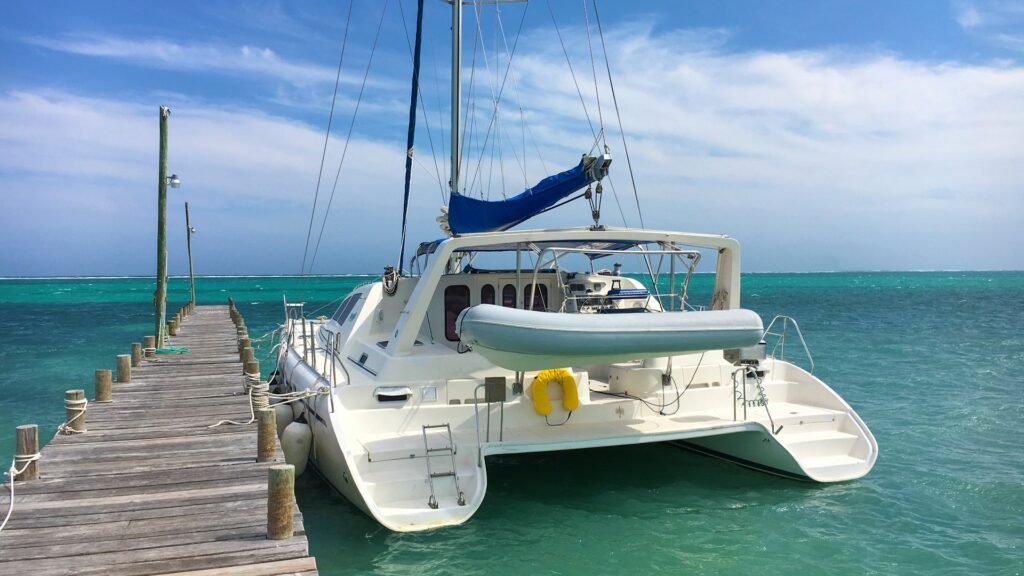
Sivota, in Thesprotia, runs to 140 berths. That is the only capacity figure the operator publishes, and it is worth sitting with for a moment, because a marina of this size will always be allocating space by boat dimension rather than by boat type. A 140-berth harbour has a finite mix of pontoon widths and finger lengths, and yours will have been slotted into whichever combination suits her length overall, her beam and her draft. This matters to you as a seller because those three measurements, not the boat's age or her equipment list, are what determine whether a given buyer can actually keep her here. A boat with a wide beam or a deeper draft may simply not fit the berths available, regardless of how much a buyer likes her. Before you list, it is worth knowing precisely where your boat sits against the marina's berth dimensions, because that tells you which part of the market can realistically take her on at Sivota rather than move her elsewhere. A berth that transfers with the sale is a genuine asset in Greece, not a footnote. Marina space in Greek harbours is often tight and administratively slow to arrange from scratch, so a buyer who can inherit your existing berth, with its paperwork already in order, is being handed something with real value attached. It can shorten the whole path to ownership and remove one of the more frustrating parts of buying a boat in Greek waters. Before you list her, check your own berth or mooring agreement carefully. Confirm whether the contract is transferable to a new owner at all, and if so, on what terms. Look at who holds it, whether it is in your name personally or attached to a company, what notice period applies, and whether any fees fall due on transfer. Establish whether the agreement runs for a fixed term or rolls over, and get this in writing before a buyer asks, because vague answers at this stage slow everything down and cost you credibility with a serious buyer.
| Detail | Value |
|---|---|
| Berths at Sivota, Thesprotia | 140 |
| Maximum length overall accepted | not published m |
| Alongside depth | not published m |
| Travel lift capacity | not published tonnes |
| Haul out and craning | not published |
| Season | Apr-Oct |
| Nearest airport | Aktion National Airport, Preveza (PVK) |
| Transfer to the berth | about 1 h 20 min (approx. 90 km by road) |
| Brokerage fee | 5% of the sale price, payable on completion |
Sivota, in Thesprotia, is reached via Aktion National Airport at Preveza (PVK). The transfer from there is about 1 h 20 min, approximately 90 km by road. That is the whole journey: no connecting ferry on this leg, just the drive down from the airport to the boat.
A buyer flying in for this has already committed time and money before they see the yacht. That changes how the viewing needs to be arranged. We fix the appointment in advance, so there is no waiting around at the airport or the marina while someone tracks down a key or a generator switch. The boat is opened, powered and ready when they arrive, not shut up and cold. Batteries on, systems running, hatches open, so the buyer is looking at a boat that behaves as it would under way, not a museum piece.
One named broker attends, and that broker knows the specification in detail: engine hours, service history, what has been replaced and when, what the current owner uses and does not use. The buyer is not handed a general introduction and left to work out the rest. They get someone who can answer a direct question with a direct answer.
Time on board is not rationed. There is no queue of other viewings backing up behind them, no sense of being moved along. A buyer who has flown in on the strength of photographs and a specification sheet needs the chance to go through the boat at their own pace, below and above deck, without feeling rushed toward a decision.
It is also worth understanding what these buyers are doing with their trip. Nobody flies to Preveza to look at a single yacht. They will typically see two or three boats while they are in the area, often across more than one marina, sometimes more than one owner. That means your boat is being judged against others seen the same day or the day before. Presentation matters accordingly: clean, dry, uncluttered, systems checked, so that whatever else the buyer has seen, this viewing does not lose ground on the basics.
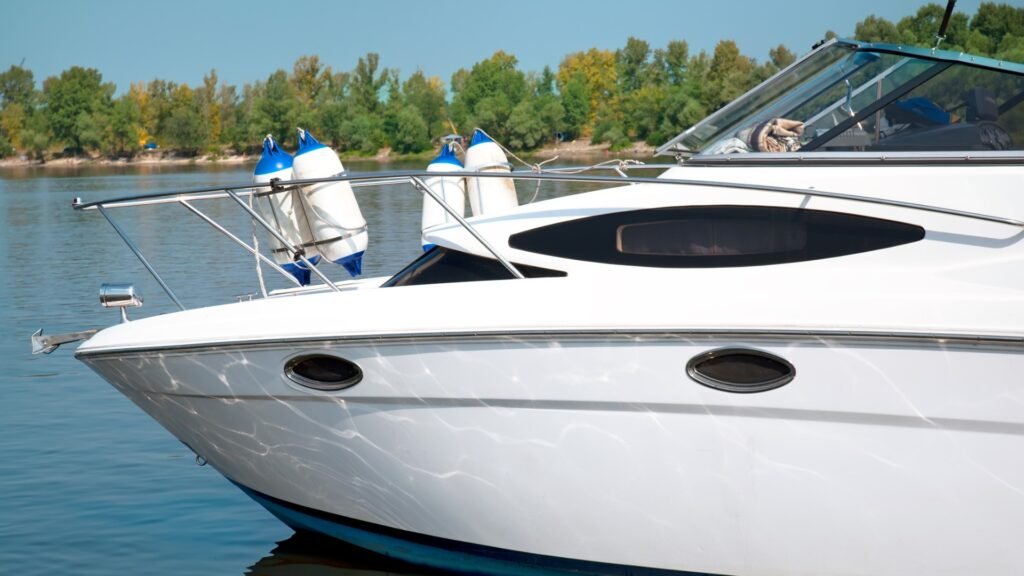
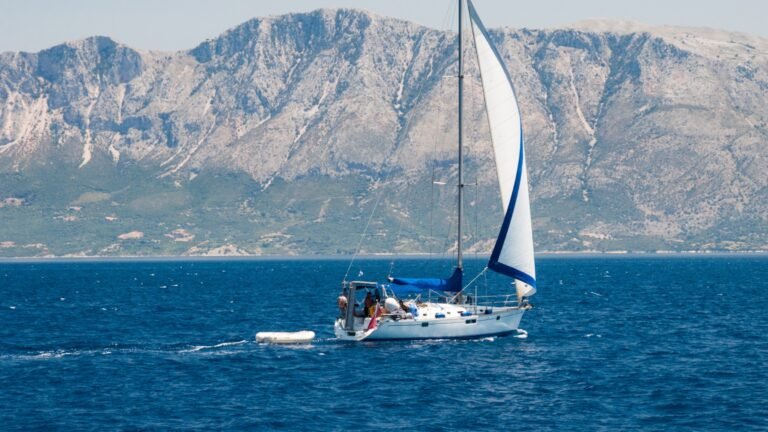
If you own a cruising monohull between ten and sixteen metres, you are sitting on the boat that moves most often around Sivota and the Ionian. Buyers here are typically couples or small syndicates who have chartered in these waters before and know what a season of Force 4 to 6 does to gear. They check the standing rigging, the age of the sails, and whether the engine hours match the service book. A well documented boat in this bracket rarely sits long.
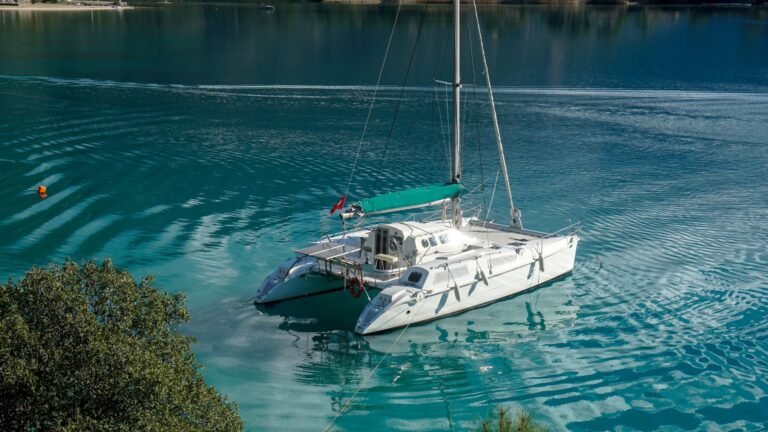
Sailing catamarans in the same size range attract a different mix. Private buyers want the deck space and the shallow draught for the anchorages around Paxos and Antipaxos, while charter operators are looking at the same hull for its earning potential. Both groups check the same things, though for different reasons: winch and sail condition, generator hours, and whether the boat has been on a charter licence or kept privately. Catamarans that have been maintained to charter standard tend to hold their value better than most other classes.
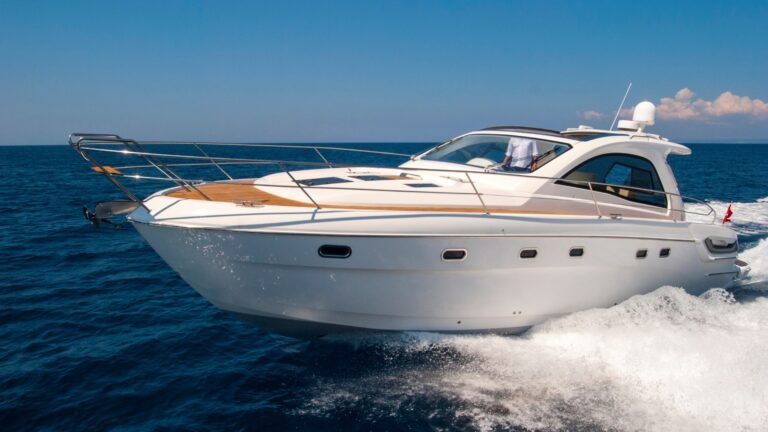
Motor yachts and flybridge boats sell to owners who want short hops between anchorages and a boat that works for entertaining guests on board rather than long passages. These buyers pay close attention to fuel burn at cruising speed, the condition of the upholstery and canvas work, and how the generator and air conditioning have held up under Greek summer use. They are less concerned with range and more concerned with comfort at anchor.
Larger yachts move more slowly through this market, but the buyers who come for them arrive with their homework done. These are people who have already worked out running costs, crew requirements and where the boat will winter, and they usually bring a surveyor and sometimes a project manager to the first viewing. What they check goes beyond the boat itself: service history, class certification where it applies, and any deferred maintenance that has been left for the next owner. Patience is normal here, but when these sales complete, they tend to be thorough and well prepared on both sides.
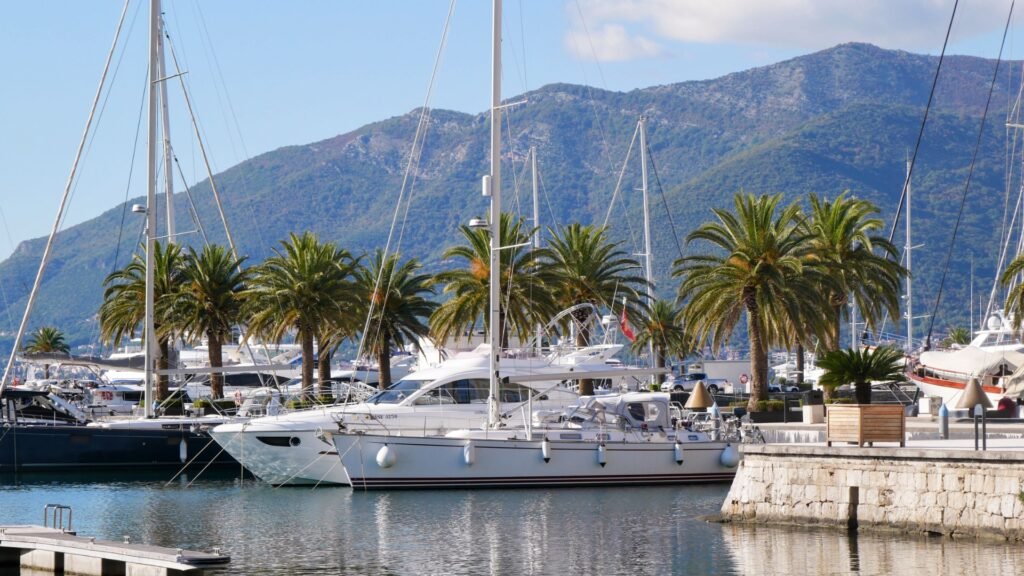
A boat sold in Greece changes hands on paper as well as on the water. The buyer wants three things in order: a clean bill of sale, evidence that the previous register has released her, and documentation of her VAT status within the EU. Most owners selling here keep the flag she already wears; a change of flag is a choice, not an obligation, and it is usually driven by the buyer's residence rather than by where the boat is lying.
Where a buyer does want the Greek flag, private pleasure craft are entered through the local port authority and the paperwork is straightforward once the deletion certificate from the old register is in hand. Private boats cruising Greek waters also carry the TEPAI cruising contribution, which is calculated on length and paid monthly or annually. We handle the sequence so the two sides are never waiting on each other, and we tell you before you sign which document is going to be slowest.
Sivota, Thesprotia lies on the Greek mainland's Ionian coastline, in the region of Thesprotia in the north-west of the country. The settlement opens directly onto the Ionian Sea, with its harbour and the surrounding coves offering shelter within a short passage of open water. The broader coastline here is shaped by a mix of sheltered inlets and modest headlands, giving cruising boats a range of anchorages within easy reach of one another. For anyone approaching by sea, the position offers reasonably direct access to the wider Ionian cruising grounds, without long stretches of open water before reaching sheltered ground. By road, the nearest airport is Aktion National Airport, Preveza (PVK), roughly 1 hour 20 minutes away, covering approximately 90 kilometres. This makes Sivota practical enough for owners and buyers arriving from abroad, without a long onward journey once they have landed. The surrounding waters remain quieter than some of the more developed Ionian bases, and the coast keeps a plain, working character rather than a polished one. For a boat kept here, the geography combines shelter with fairly quick access to open water, a balance that suits owners who want proximity to the sea without constant exposure to swell.
We charge 5% of the final sale price and it is payable only on completion. There is nothing to pay up front, no listing fee and no photography charge. If she does not sell, you owe us nothing at all.
No. She stays exactly where she lies at Sivota, Thesprotia and buyers come to the pontoon. Moving a boat for a sale costs money, adds risk and rarely helps. Her own berth at Sivota is the best showroom she has.
A correctly priced boat at Sivota, Thesprotia normally sells within three to six months, and most of that time is spent waiting for the right funded buyer rather than waiting for enquiries. Overpriced boats sit for a year or longer.
One named broker handles your boat from listing to handover. The same person answers the enquiry, qualifies the buyer, meets them at the berth at Sivota, Thesprotia and runs the viewing. You are never passed around a call centre.
Proof of ownership, the registration document, the VAT status paperwork and invoices for any major works. Missing paperwork is the most common reason a sale collapses late. This is general information and not legal advice, so check your own position.
We look at recent completed sales of the same model, current asking prices, her condition, her hours and her equipment, then set a figure that attracts funded buyers rather than tyre kickers. A survey usually confirms that number rather than changing it.
Send us the make, model, year and berth number and we will come back with a realistic market figure, not a flattering one. Flat 5% commission on completion, no listing fee, no photography fee.
Value my boat+30 698 013 5656