Sell her from her own berth at Vathy, Samos. One named broker, funded buyers only, private viewings by appointment. 5% on completion, nothing up front.
Request a valuationView yachts for saleHome › Yacht brokers North & East Aegean › Sell Your Boat Samos
Sell your boat Samos: the quickest route is to leave her exactly where she lies at Vathy, Samos and let the buyers come to the pontoon.
Vathy sits on the island of Samos, in the North & East Aegean, where the sailing season runs year-round rather than being confined to a few summer months. Access is straightforward: Samos International Airport (SMI) is roughly 25 minutes away and adjoins Pythagorio, itself some 12 km from Vathy. For an owner weighing up where to sell, that combination of year-round use and quick airport transfers is a genuine point in the boat's favour, and one buyers will ask about directly.
The commercial side is kept simple. Commission is five per cent, payable on completion, with nothing asked for upfront. One broker takes the boat from initial valuation through to handover, so you have a single point of contact throughout rather than a changing cast of names. Viewings are arranged privately, by appointment only, and offered solely to buyers whose funds have already been checked.
At Vathy, Samos, a good part of the enquiry list is local. Greek owners already based in the marina come to trade up, moving from a smaller cruiser into something with another cabin or a flybridge. They know the berth, the officials, and the going rate for work done locally, so they go straight to the engine hours and the service log. If the paperwork does not match what they have been told on the phone, or the survey turns up deferred maintenance, they walk.
Northern European buyers form the second group, and what they want above all is a boat already lying in Greece, ready to be handed over without a delivery voyage. For them the attraction is simple: fly in, sign, and be cruising the same week. They inspect the rigging, sails, and any canvas work closely, since these tend to age faster in the sun, and they ask hard questions about how the boat has wintered. A vague answer on winterisation, or antifouling that looks tired, tends to end the conversation.
Charter operators are the third group, and they are less interested in condition than in paperwork. They want a hull that already carries Greek commercial registration and holds a recognised berth, because both save months of bureaucracy. They go through the survey for structural issues but will overlook cosmetic wear if the registration and berth are clean. A boat without a transferable licence, or one tied to a berth that cannot follow the sale, is quickly passed over.
Finally, first time buyers are stepping up from something smaller, often a day boat or an entry-level cruiser. They focus on handling and layout, asking whether the boat suits their experience, and they lean heavily on the broker for reassurance during survey. Complexity frightens them more than price, so an overly technical or heavily systemised boat can put them off.
Because the season at Vathy, Samos runs year-round, enquiries do not collapse in winter the way they do in ports with a short season. Viewings continue steadily across the year, with only a modest lift through the summer months.
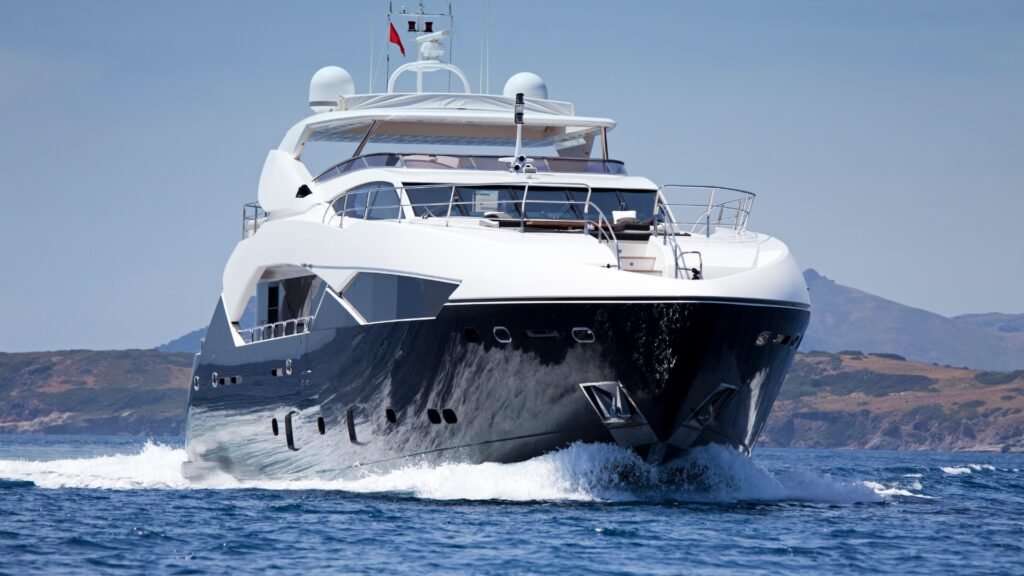
Start with the valuation, because this is where most of the guesswork gets stripped out. You will get a figure based on what similar boats have actually sold for in recent months, not what someone else is hoping to achieve on a listing site. Asking prices tell you what an owner wants. Completed sales tell you what a buyer will pay, and that is the only number worth building a strategy around.
Once the price is set, the boat needs to be presented properly. That means professional photography and video shot at the berth in Samos, in good light, showing the boat as she actually sits, not staged shots that raise questions later. A written listing is prepared that answers the questions a serious buyer would otherwise have to ask by phone or email: engine hours, service history, layout, what is included and what is not.
From there the listing goes out to the international portals where buyers are actually looking, so the boat is seen by people who are in a position to act, not just browsing. This is the part of the work that yacht brokers Samos handle daily, and it is largely invisible to you as the owner, which is the point.
Enquiries are filtered before they reach you. Only buyers who have been vetted, with funds confirmed, are given a private viewing appointment. You are not fielding calls from people who are curious, or negotiating with someone who cannot actually complete.
Once there is a serious offer, the negotiation, survey and paperwork are managed through to completion. You are not chasing the surveyor, chasing the buyer's lawyer, or working out what documents are needed for a change of ownership. That is handled on your behalf, through to the point where the sale is done and the funds have cleared.
Commission is five per cent, payable on completion, with nothing due upfront.
A boat lying at Vathy is valued on evidence, not hope. What you see on the portals is a list of what other owners wish someone would pay. It tells you nothing about what a buyer has actually handed over for a comparable boat, and it is the achieved price, not the asking price, that sets the market.
The year on the transom is the least useful number in the file. What moves the valuation is condition on deck and below, engine hours and their service history, the age of the standing rigging, the state of the sails and the canvas, and whether the electronics are current generation or something a buyer will have to budget to replace. A tender and outboard that actually work, rather than sit under a cover as an afterthought, add more than most owners expect.
Location counts for more than sentiment suggests. A boat lying in Greece, in the water, with clean paperwork and a berth already secured at Vathy, is worth more to a buyer than an identical boat ashore somewhere they have to arrange transport, storage and relaunching just to see her properly. Buyers pay for the friction they are spared, not just for the boat itself.
Setting the asking price too high does not protect your position, it erodes it. A boat that sits unsold for months acquires a reputation before a single serious buyer has stepped aboard. Every week she stays listed at an unrealistic figure, she looks a little more stale, and the eventual price agreed tends to reflect that staleness rather than her actual condition. Buyers who track a listing over time draw their own conclusions about why nobody has bought her yet.
Valuing your boat properly at Vathy means starting from what has actually sold, adjusting for her specific condition and equipment, and pricing her to reflect the advantage of a ready berth and clear papers. Anything else is a number on a website, not a valuation.
It starts with a phone call and then a visit. One of our brokers comes to Vathy and looks at the boat in her own berth, not in a photograph, and gives you a valuation based on what is actually there: her condition, her equipment, her history, and what similar boats are making in the current Greek market.
From that we agree an asking price together, and it goes into a written listing agreement. Nothing is verbal at this stage. You know exactly what you have signed and what it commits us both to.
Next comes photography and video, shot at Vathy itself, on the boat, in her berth. We do not use stock images or generic marina shots. A buyer looking at the listing is looking at your boat, in the place she actually lives.
The listing is then published and pushed out to the international portals, so she is visible to buyers well beyond Samos, across the markets where Greek-based yachts are actively searched for.
Enquiries come in, but they are filtered before anyone gets near the boat. We ask for proof of funds and qualify each buyer properly. Only those who have shown their funds are in place are offered an appointment.
Viewings are private, at the berth, by appointment only. There is no open access and no casual foot traffic around your boat. Every visit is arranged, every visitor known to us in advance.
When a serious offer comes in, we handle the negotiation on your behalf, keeping you informed at each stage rather than leaving you to deal with a buyer directly.
Once terms are agreed, survey and a private viewing are arranged locally, using surveyors and arrangements suited to Samos, so nothing is delayed by having to bring people or equipment from elsewhere.
Following a satisfactory survey, contracts are signed and the deposit is held properly, through the correct channels, so both sides are protected before anything moves further.
Completion follows, along with deregistration and handover, managed so that the paperwork, the flag formalities and the physical handover of the boat all line up on the day.
Our fee is five per cent, payable on completion. Nothing is payable up front, at any stage, for any part of this process.
A local broker replies with a realistic market figure, not a flattering one. No listing fee, no photography fee, flat 5% commission on completion.
We use these details only to value your boat and reply. No mailing list, no third parties. Prefer to talk? +30 698 013 5656.
Selling privately at Samos usually starts with the enquiries, and most of them go nowhere. You answer messages from people asking for photographs and specifications who were never in a position to buy, and you have no way of telling the serious ones from the curious until you have already spent hours on each.
Every viewing means opening the boat, and at Vathy that is not a quick job. You lay on power, air her out, get the covers off, then wait in the heat for someone who was always going to walk away. Do that a dozen times across a season and the cost in your own time is considerable, even before you count the days taken off work.
Buyers who deal directly with an owner also know you have no sold comparables to point to. Without recent transaction prices behind you, you are negotiating from a position of assumption rather than evidence, and it shows. You end up talked down simply because you cannot demonstrate what similar boats have actually made.
Deposits taken privately carry their own risk. Without a client account holding the funds, you are relying on trust alone, and if a buyer changes his mind there is no proper mechanism to resolve it.
Then there is the paperwork. Transfer of title and deregistration in Greece has to be done correctly, and mistakes at this stage expose you long after the sale is thought to be finished.
Meanwhile the boat sits at Vathy costing money regardless of whether she sells. Berthing, insurance, antifouling and routine servicing continue whether or not a buyer appears, and none of that spend brings her closer to a sale.
A boat that goes unsold through an entire season costs her owner far more, in fees paid out and value lost, than a five per cent commission on completion ever would.
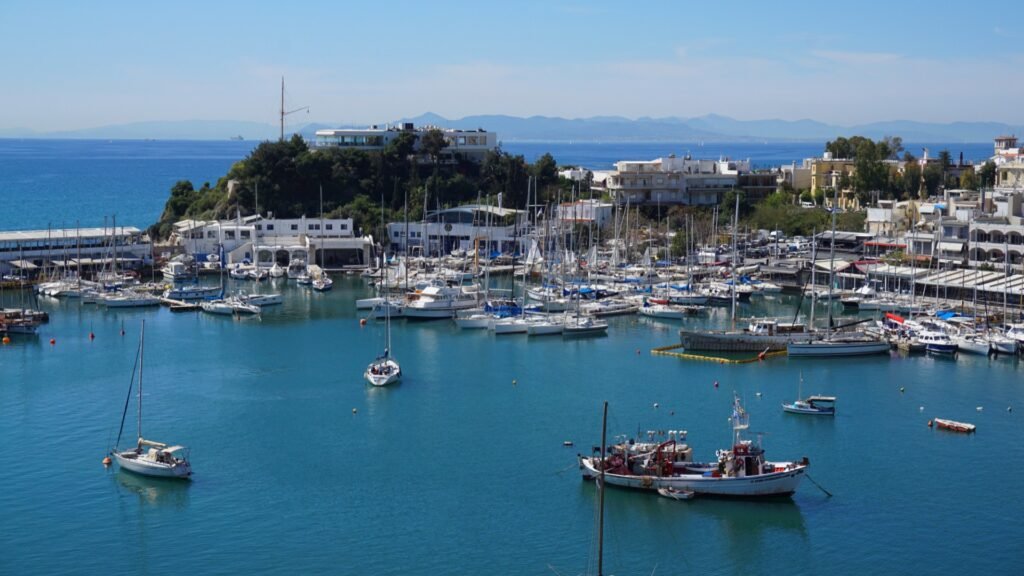
Once a buyer is ready to proceed, the transaction moves onto paper. The sale and purchase agreement sets out the price, the boat's particulars, the conditions attached to the sale, and the timetable for completion. It is the document everything else in the process refers back to, so it needs to be accurate before anyone signs.
A deposit follows the signed agreement. That money belongs in a client account held by the broker or a lawyer, not in your account and not in the buyer's, until every condition has been met. This protects both sides and keeps the transaction honest while the remaining checks are carried out.
The agreement is usually written subject to survey and to an on-water inspection. If the surveyor or the buyer finds a defect, it does not automatically end the sale. The parties negotiate a repair, a price adjustment, or in some cases a withdrawal, and the outcome is recorded in writing before completion.
You will need to show clean title, meaning no outstanding finance or maritime lien against the boat, and clear evidence of her VAT status within the EU. Buyers rely on this paperwork to know exactly what they are acquiring, and it needs to be in order well before completion day.
At completion, a bill of sale is signed and money is released from the client account. The boat is deregistered from her current flag and registered to the new owner under whichever flag they choose. If she lies on a berth or mooring at Vathy, Samos, the mooring agreement is transferred or reassigned as part of the same process, so the new owner has somewhere to keep her.
Insurance changes hands on completion day as well. Your policy ends and the new owner's cover begins, so there is no gap where the boat is sitting in the water uninsured. Each of these steps is straightforward on its own, but they need to happen in the right order, and that is largely what a broker is there to manage.
This is general information only and not legal advice.
Vathy operates on a year-round season, which is a different proposition from the islands further south. It does not mean buyers are equally active in January and June, but it does mean the market never fully closes. A boat can sell in November as readily as in May, provided she is priced and presented correctly.
Serious enquiries tend to build from late winter onwards, as buyers start planning for the year ahead and want a boat lined up before the better weather arrives. Most want delivery in time to use her through the main cruising months, so listing early gives you the widest pool of buyers and the most room to negotiate. Leave it too late and you are competing with fresher listings just as demand peaks.
Photographs and viewings work best when the light is good and the boat can be shown clean, dry and uncluttered, which in practice means the spring and summer months rather than the depths of winter. A viewing arranged in poor weather rarely does a boat justice, and a hesitant buyer given a grey, wet decksaloon is a harder buyer to close. Where possible, we time viewings and any private viewing for settled conditions, which also gives a more honest impression of how she handles.
Once the season turns, past a certain point in autumn, footfall drops away and a boat that has not sold is likely to sit through winter until interest picks up again the following spring. That is not a disaster, but it does mean months of marina fees and no sale, which is worth factoring into your decision on when to list.
Summer conditions in the North and East Aegean are generally settled, with the meltemi a known feature of the season that owners and buyers alike take into account. This favours boats that are steady and capable offshore, with enough ballast and displacement to sit comfortably in a breeze, rather than light, tender designs suited to sheltered inland waters. Buyers looking at boats based here are usually thinking about serious passages between islands, not gentle afternoon outings, and that shapes what sells.
If she is lying at Vathy, the first job is straightforward and cheap: get her properly clean. A thorough valeting inside and out, with the hull polished rather than just rinsed, changes how a buyer reads everything else on board. Salt film, mildew in the heads, and a chalky topside tell a buyer the boat has been neglected even if the engines are perfect underneath.
Tenders, covers and canvas matter more than owners expect. A cracked spray hood or a tender that has sat deflated on the pushpit for two seasons suggests the same treatment has been given to things a buyer cannot see. Have the canvas cleaned or restitched, the tender serviced and properly inflated, and everything stowed as though you were about to use it yourself.
Get the engines serviced and keep every invoice and logbook entry to hand. A buyer viewing the boat, and any surveyor working on their behalf, will want to see a maintained history, not just hear that she runs well. Alongside that, deal with the small faults a surveyor will list anyway: perished hoses, tired batteries, instruments that no longer read correctly. These are inexpensive to put right now and become bargaining points later if you leave them.
Clear your own belongings out of lockers, cabins and the saloon. A buyer needs to see the boat, not your family holidays. Leave the spaces empty and ready to be imagined as someone else's.
What is not worth doing is a full repaint or a new suite of electronics. Both are expensive, and neither tends to return its cost at sale on a boat of this age. Buyers pay for a boat that is sound, honest and documented, not for a cosmetic overhaul they did not ask for.
On an older boat, a pre listing survey is worth commissioning yourself. It costs money upfront, but it means there are no surprises once an offer is on the table. Surprises at that stage are what kill deals, and a survey you have already had done, with any issues already addressed, keeps a buyer moving towards completion rather than walking away.
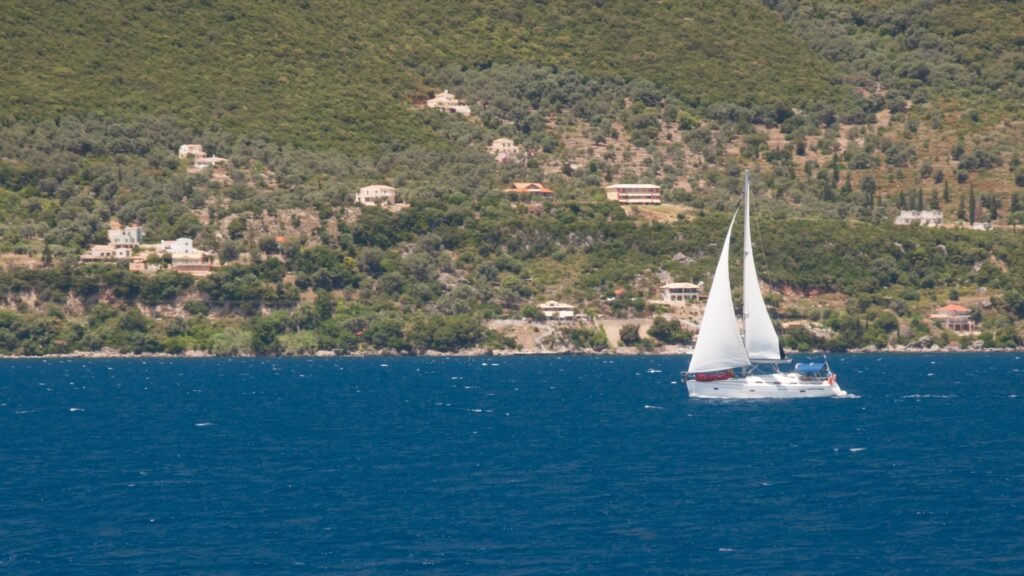
Vathy is the main harbour on Samos, sitting under the town on the north coast of the island, in the North and East Aegean. It works year-round, which matters if you are weighing up when to bring her to market rather than waiting for a narrow summer window. A boat kept here is available to show in March as readily as in August.
The operator does not publish berth numbers, maximum length overall, alongside depth or lifting capacity, so I will not guess at any of them on your behalf. What is clear is that Vathy itself has no haul out or craning facility. The nearest is Samos Marina at Pythagorio, with an 80 tonne travel lift, about 12 kilometres away by road. For anti-foul, osmosis work, or a pre-sale survey out of the water, that is where she would go.
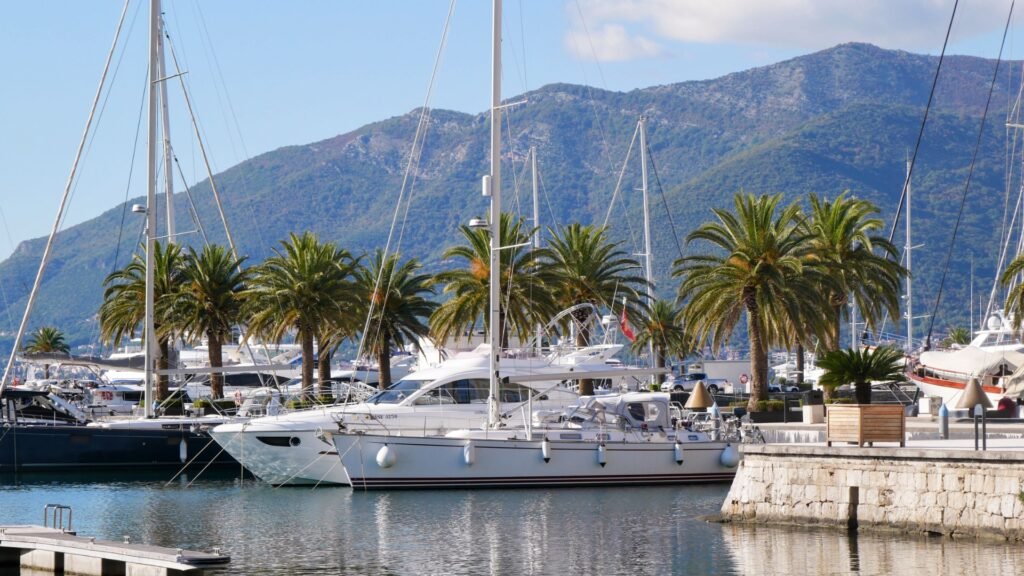
Walk the pontoons at Vathy and you find a working harbour rather than a manicured marina village. Local boats sit alongside visiting yachts, the town is a short walk along the front, and the setting has the ordinary, lived-in feel of a Greek island harbour rather than a resort. Buyers tend to read that as reassuring. It looks like a place where a boat is used, not merely stored.
Samos town, right by the harbour, gives you chandlery, fuel, provisioning and the general trades a seller needs to keep a boat presentable between viewings. For anything larger, such as engineering work or rigging, Pythagorio and its marina are close enough by road to reach without difficulty. Between the two, most jobs a boat needs before a sale can be arranged without long delays.
A boat lying in Vathy is easy for me to show. The harbour is accessible year-round, close to the town for buyers arriving by ferry or by air into Samos, and near enough to Pythagorio that any lift-out or inspection can be organised without complication. Viewings are arranged by appointment, and I only bring buyers who have been vetted and whose funds are confirmed.
If you decide to go ahead, the arrangement is straightforward. Commission is five per cent, payable on completion, with nothing asked of you upfront.
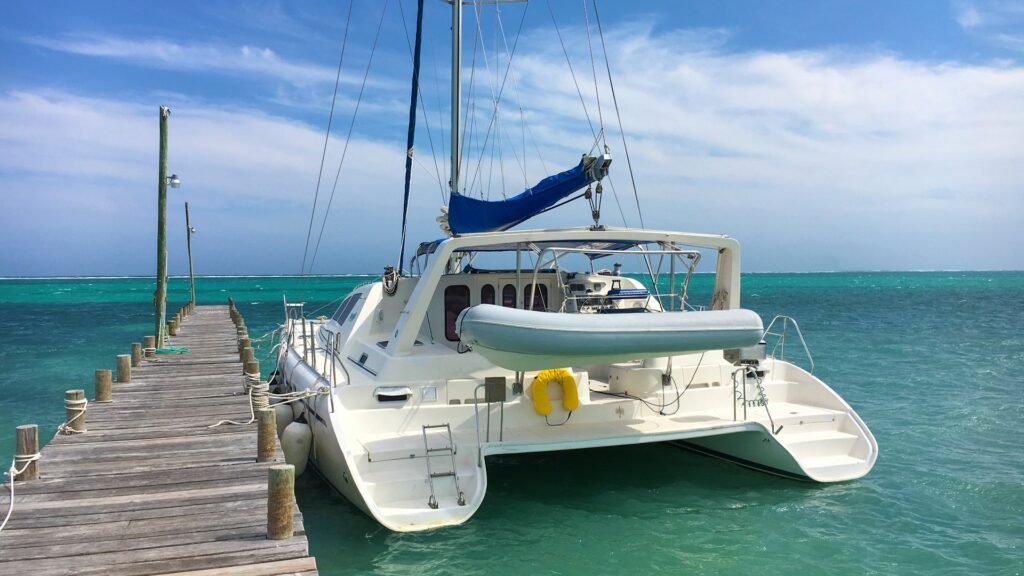
Vathy does not publish its berth numbers, its maximum length overall, alongside depths or travel lift capacity, so none of that can be stated here with any confidence. What can be said is that Vathy itself has no haul out facility. The nearest lift is at Samos Marina in Pythagorio, twelve kilometres away by road, with an eighty tonne travel lift. Any survey, antifouling or underwater work has to be planned around that journey, and a buyer will factor the transport time and cost into their thinking. Length overall, beam and draft are what actually decide which berths a boat can occupy anywhere in Greece, Vathy included. A harbour with narrow fingers or a shallow shelf along one quay will simply exclude boats above a certain beam or draft, whatever the brochure says about the vessel. This is why the true audience for your boat is not everyone who might like her, but the smaller group whose dimensions match what the harbour can physically take. Get this wrong and you are marketing to buyers who cannot berth her here at all. A berth that transfers with the sale is worth stating plainly, because it solves a real problem. Berths in Greek harbours are not simply bought and sold on demand, and a new owner arriving without one can face a long wait or no space at all. If your current arrangement at Vathy can pass to a buyer, say so clearly and say how, because it removes one of the buyer's biggest practical worries. Before you list, go back to whatever document underpins your berth or mooring, whether that is a harbour authority allocation, a private agreement, or something looser. Check whether it is transferable, whether it is tied to you personally or to the vessel, what notice is required, and whether any fees are outstanding. Buyers will ask, and a seller who already has clean answers moves the sale along faster than one who has to go and find out.
| Detail | Value |
|---|---|
| Berths at Vathy, Samos | not published |
| Maximum length overall accepted | not published m |
| Alongside depth | not published m |
| Travel lift capacity | not published tonnes |
| Haul out and craning | No - nearest is Samos Marina at Pythagorio (80 t travel lift), 12 km by road |
| Season | Year-round |
| Nearest airport | Samos International Airport (SMI) |
| Transfer to the berth | approx. 25 min; the airport adjoins Pythagorio, which is 12 km from Vathy |
| Brokerage fee | 5% of the sale price, payable on completion |
Your boat lies at Vathy, on Samos, and the practical question for any serious buyer is how quickly they can stand on her deck. The nearest airport is Samos International Airport, SMI. The airport adjoins Pythagorio, which is 12 km from Vathy, and the transfer from there is approx. 25 min. That is a short hop by Greek island standards, and it means a buyer can land, travel to the boat, and be aboard within the same morning or afternoon.
We arrange the viewing as an appointment, agreed in advance with both sides, not a casual call-in. The boat is opened, powered up and ready before the buyer arrives, not shut up and cold. One named broker attends, someone who knows the specification in detail rather than a general assistant reading from a brochure. The buyer gets proper time on board, without another party waiting behind them or the visit cut short to fit a schedule.
Buyers who fly in for this rarely come to see one boat alone. Given the cost and time of the trip, most build an itinerary of two or three boats, often across more than one island, and judge each against the others in the space of a few days. That has a direct bearing on how your boat needs to present. She is not being viewed in isolation, she is being compared, often within hours, to whatever else the buyer has just walked off. A boat that is damp below, or has systems switched off, or takes twenty minutes to warm up before it looks presentable, loses ground immediately against one that does not.
Practically, this means the boat should be ready to be seen properly on short notice, and kept in a state where opening her up does not require half a day of preparation. It also means the broker present has to be able to answer detailed questions on the spot, without deferring to someone else or promising to check and get back to the buyer later. A buyer who has flown out for this, and who has other boats booked in the same trip, is not going to wait for that answer. They will simply move on to the next appointment on their list.
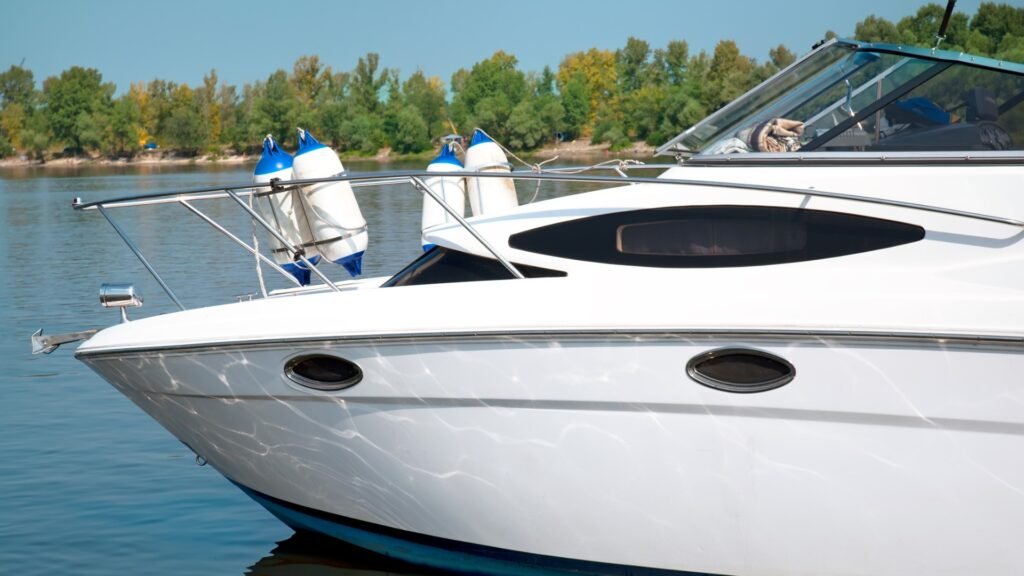
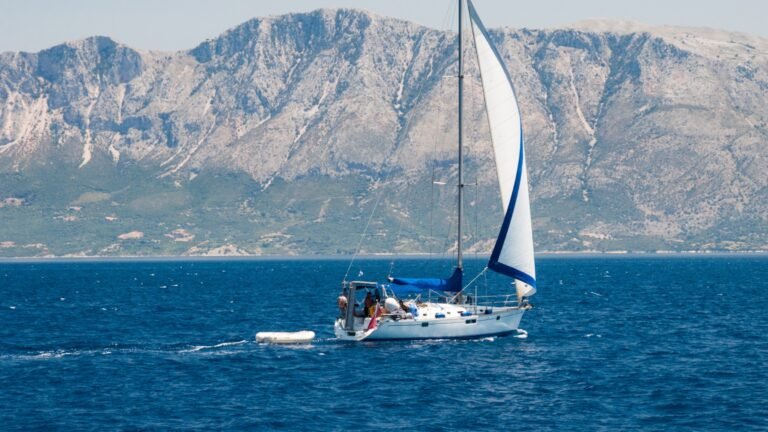
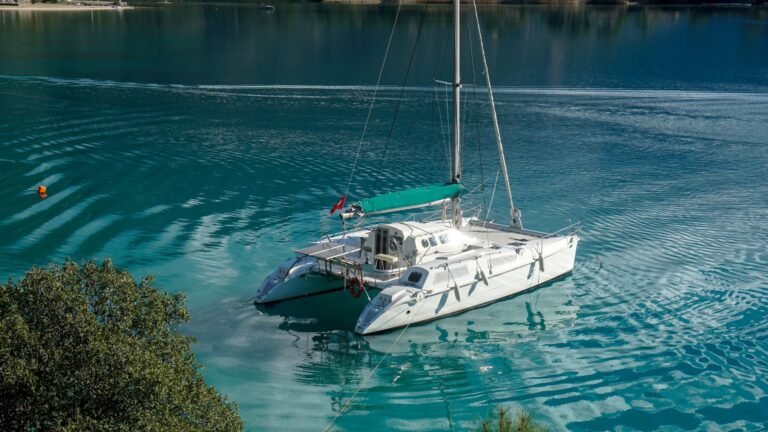
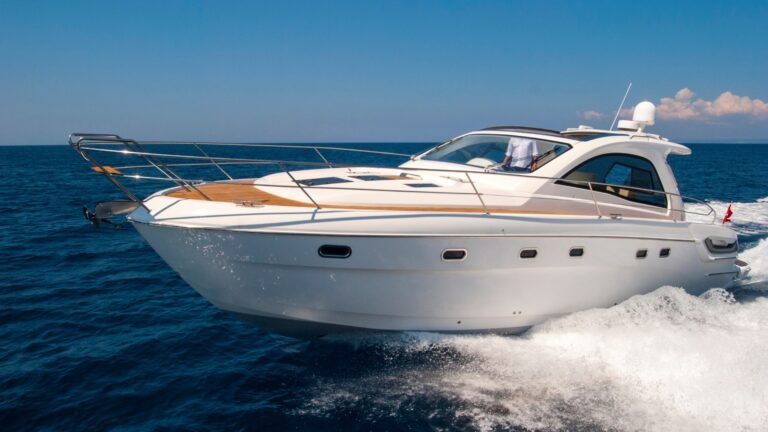
Around Samos and the North & East Aegean, the boats that move fastest are cruising monohulls between ten and sixteen metres. This is the volume end of the market, and it stays busy because the boats suit the ground here: island hopping, short passages between anchorages, and enough range to reach the Dodecanese or the Turkish coast without drama. Buyers tend to be private owners planning to keep the boat in Greek waters for several seasons, sometimes with half an eye on chartering her out when they are not aboard. They check the rigging age, the state of the sails, the engine hours, and whether the antifouling and standing rigging have been kept current rather than patched. Sailing catamarans hold their value better than most other types in this size range, and they attract two distinct sets of buyers. Private owners like the stability and the deck space for family use. Charter operators buy them because they know a well-kept catamaran will earn steadily and hold resale value at the end of a charter programme. Both groups look hard at the same things: hull condition, engine hours on both saildrives, and whether the boat has been through a charter fleet or kept privately, since that history shapes what comes next in terms of servicing and depreciation. Motor yachts and flybridge boats sell to a different buyer again, usually someone based locally or visiting often, who wants short hops between islands and a boat that entertains well at anchor. Fuel consumption and range matter less to these buyers than deck layout, shade, and how the boat handles a berth in a crowded harbour. They check generator hours, air conditioning condition, and the state of the upholstery and teak, since these boats are used hard in the summer months. Larger yachts move more slowly here. There are fewer buyers, and they tend to be experienced owners or their representatives who arrive already knowing what they want. They check everything: survey history, maintenance logs, crew arrangements, and the paperwork trail behind every major refit. When they commit, they commit having done the homework in advance, which is why these sales rarely happen quickly but rarely fall through either.
A boat sold in Greece changes hands on paper as well as on the water. The buyer wants three things in order: a clean bill of sale, evidence that the previous register has released her, and documentation of her VAT status within the EU. Most owners selling here keep the flag she already wears; a change of flag is a choice, not an obligation, and it is usually driven by the buyer's residence rather than by where the boat is lying.
Where a buyer does want the Greek flag, private pleasure craft are entered through the local port authority and the paperwork is straightforward once the deletion certificate from the old register is in hand. Private boats cruising Greek waters also carry the TEPAI cruising contribution, which is calculated on length and paid monthly or annually. We handle the sequence so the two sides are never waiting on each other, and we tell you before you sign which document is going to be slowest.
Vathy sits on the northern coast of Samos, an island in the North and East Aegean, facing the open waters of the Aegean Sea. The town serves as the island's capital and its principal harbour, set within a sheltered bay that opens directly onto wider Aegean cruising grounds. From here, a yacht has ready access to the broader stretch of sea that separates the Greek islands from the Turkish coast, placing Vathy within reach of a short passage toward other anchorages along this part of the Aegean. The nearest airport is Samos International Airport, known by its code SMI, which lies roughly twenty five minutes away by road. That airport adjoins Pythagorio, a separate town on the island that sits some twelve kilometres from Vathy itself. For anyone arriving by air, this means a short onward journey after landing, whether travelling directly to Vathy or using Pythagorio as a point of reference for orientation. The geography places Vathy in a practical position: close enough to international air access to make arrival straightforward, yet positioned on open water with the wider Aegean close at hand for those looking to move on from the harbour under sail or engine.
We charge 5% of the final sale price and it is payable only on completion. There is nothing to pay up front, no listing fee and no photography charge. If she does not sell, you owe us nothing at all.
No. She stays exactly where she lies at Vathy, Samos and buyers come to the pontoon. Moving a boat for a sale costs money, adds risk and rarely helps. Her own berth at Samos is the best showroom she has.
A correctly priced boat at Vathy, Samos normally sells within three to six months, and most of that time is spent waiting for the right funded buyer rather than waiting for enquiries. Overpriced boats sit for a year or longer.
One named broker handles your boat from listing to handover. The same person answers the enquiry, qualifies the buyer, meets them at the berth at Vathy, Samos and runs the viewing. You are never passed around a call centre.
Proof of ownership, the registration document, the VAT status paperwork and invoices for any major works. Missing paperwork is the most common reason a sale collapses late. This is general information and not legal advice, so check your own position.
We look at recent completed sales of the same model, current asking prices, her condition, her hours and her equipment, then set a figure that attracts funded buyers rather than tyre kickers. A survey usually confirms that number rather than changing it.
Send us the make, model, year and berth number and we will come back with a realistic market figure, not a flattering one. Flat 5% commission on completion, no listing fee, no photography fee.
Value my boat+30 698 013 5656